
Photo: Sayed Aman Sadat / Cordaid / Fairpicture
This project came in as a short notice request as the client itself wasn’t able to fly to Afghanistan due to heavy rains causing floods in the United Arab Emirates in April 2024. So Fairpicture teamed up Cordaid Editor Mickael Franci with our photographer Sayed Aman Sadat in order to produce a documentary in photos and text about the first 6 months of the humanitarian response after the Herat earthquake in last October 2023.
The focus was on humanitarian staff, participating in the joint response of the Dutch Relief Alliance partners (Cordaid, CARE, World Vision and Terres des Hommes). The materials needed to be journalistic and documentary-style. Cordaid also required interviews with the portrayed people, both humanitarians and people affected by the earthquake.
Client
Cordaid
Visual Creator
Sayed Aman Sadat
Theme
Humanitarian Aid
Locations
Herat, Afghanistan
Date
September 2024
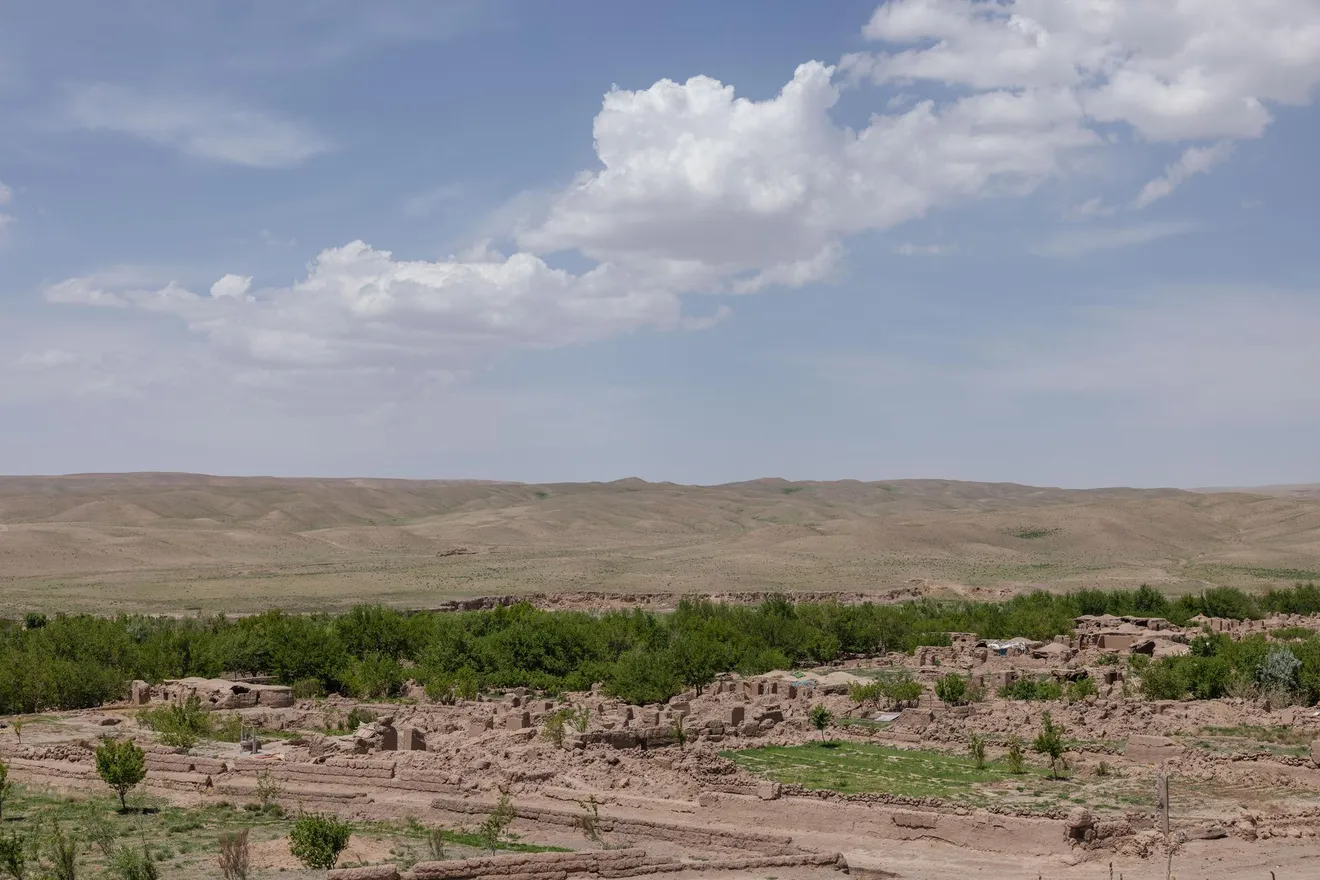
Photo: Sayed Aman Sadat / Cordaid / Fairpicture
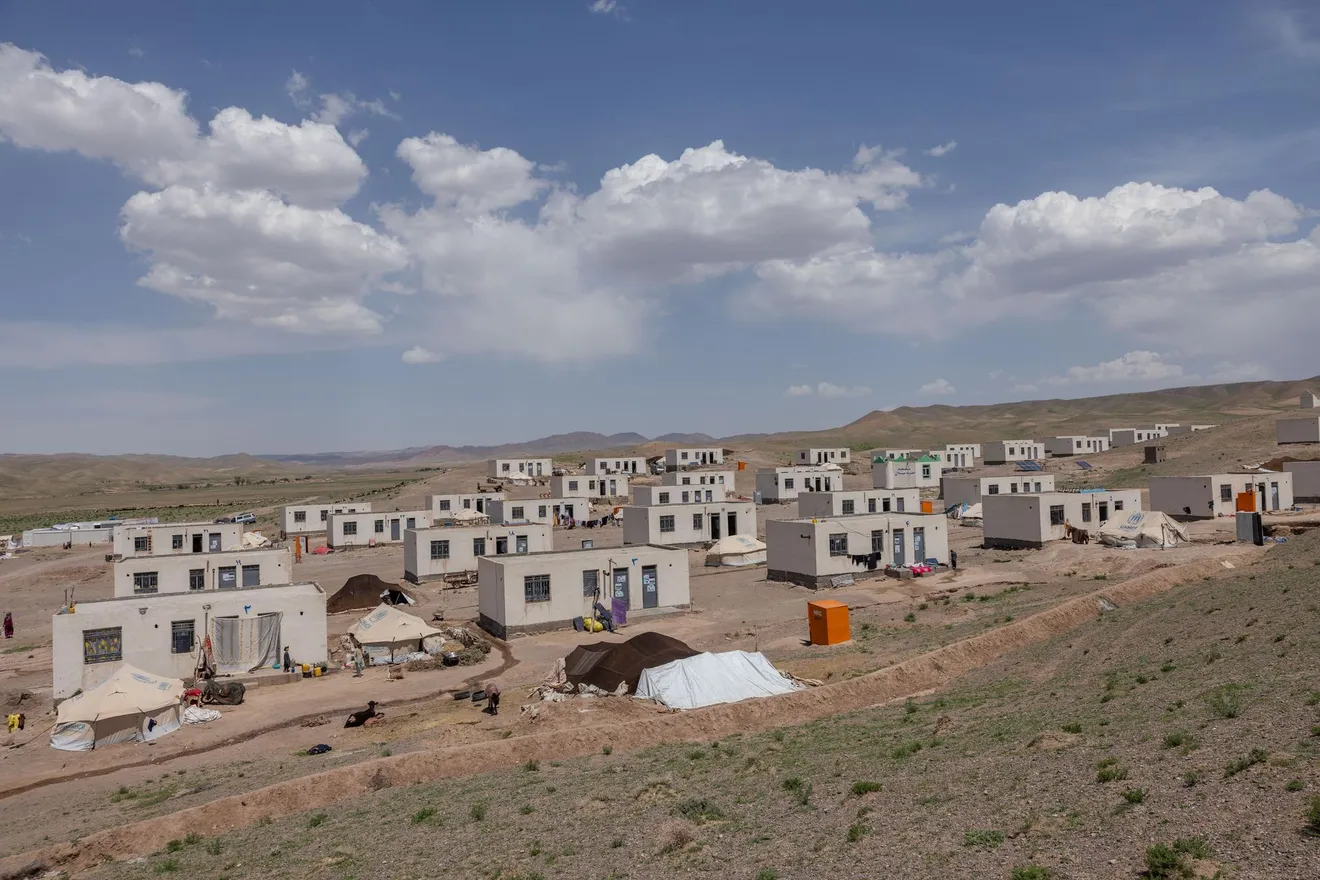
Three 6.3 magnitude earthquakes rocked Herat Province in October 2023, impacting over 100,000 people and destroying 100 percent of all the homes in the worst-affected areas. By mid-October, more than 1,300 people were reported killed and 1,800 injured. A series of subsequent aftershocks compelled people to seek refuge in open spaces, makeshift tents, or informal sites, exposing them to health and protection risks.
The earthquakes struck Afghanistan during an ongoing humanitarian crisis following the Taliban takeover in 2021, and existing aid groups were experiencing a lack of funds prior to the disaster. Cordaid is providing needs-based emergency relief and early recovery assistance to those affected by conflict or natural disasters, with special care for women, children, the elderly, the disabled and the chronically ill.
Faipicture photographer Sayed met Cordaid staff in the affected villages and portrayed the surroundings, the devastation as well as the rehabilitation of homes, the humanitarians at work, interacting with the villagers and some of the affected population.
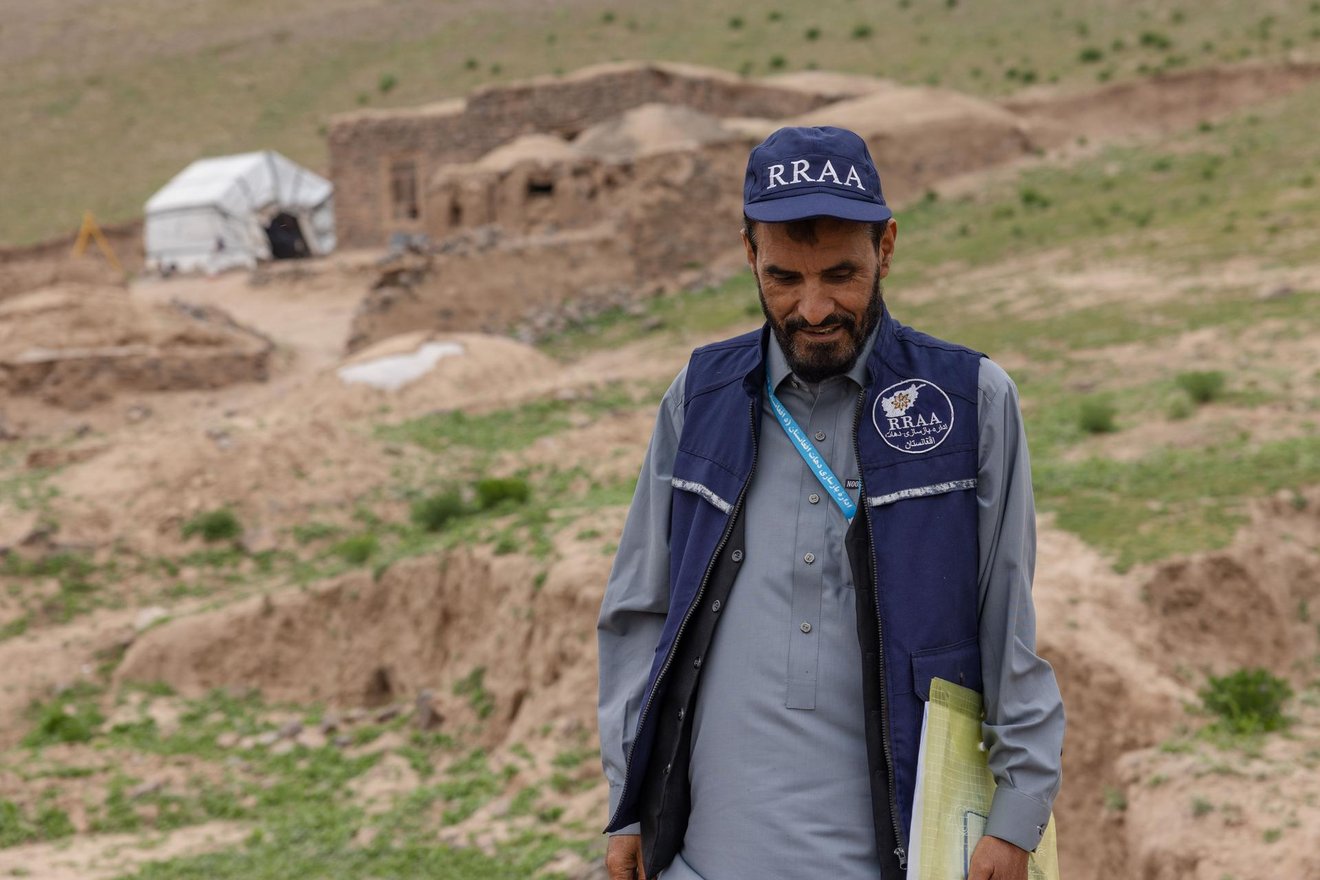
In response to the Herat earthquake, efforts in Keshk, Rabat Sangi district are multifaceted, addressing immediate needs and long-term recovery. Cash distributions provide affected individuals with the autonomy to prioritize their most pressing needs, whether it be shelter, food, or medical expenses. Additionally, construction endeavors focus on the installation of essential infrastructure, including the construction of toilets. These efforts are crucial for maintaining sanitary conditions amidst the chaos of displacement, preventing the spread of disease and ensuring the dignity of those affected. By combining immediate financial assistance with long-term infrastructure development, the community of Keshk is supported in both immediate relief and sustainable recovery efforts.
Photo: Sayed Aman Sadat / Cordaid / Fairpicture
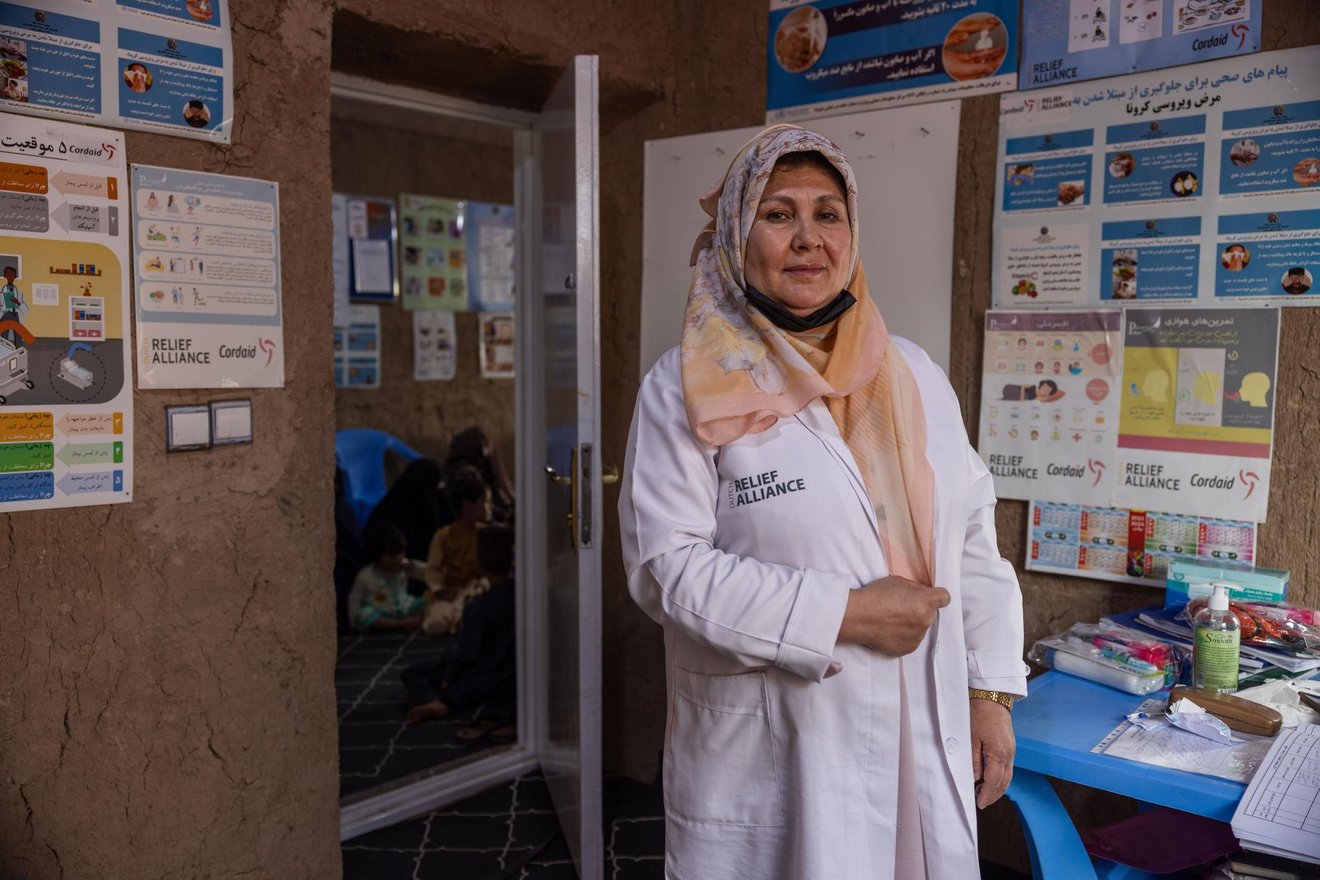
Care organization, in partnership with Cordaid, has launched a vital initiative to support women and children affected by the recent earthquake in Deh Sarkh area of Zindajan district, Herat.
Photo: Sayed Aman Sadat / Cordaid / Fairpicture

Mickael Franci
Editor at Cordaid
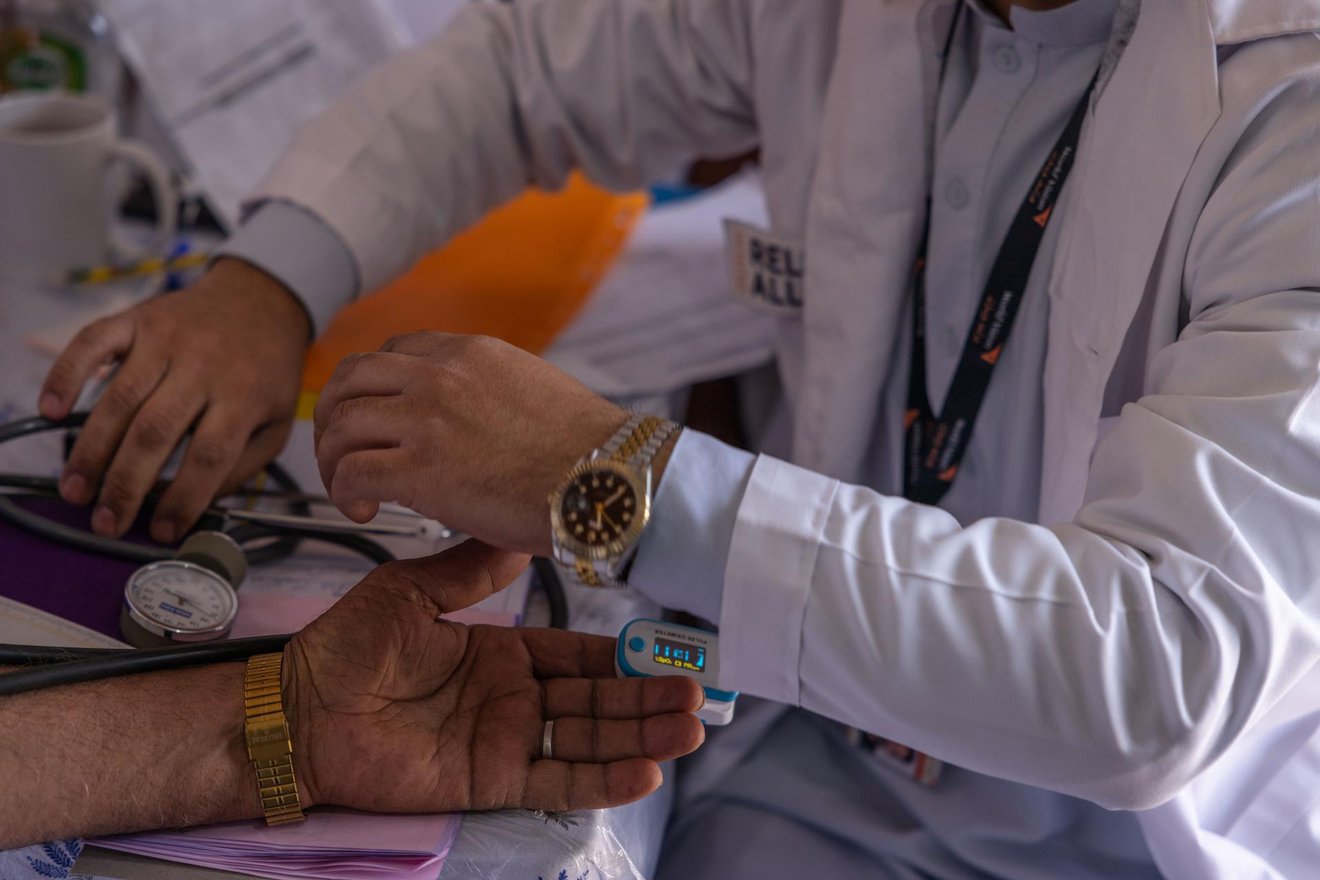
Photo: Sayed Aman Sadat / Cordaid / Fairpicture
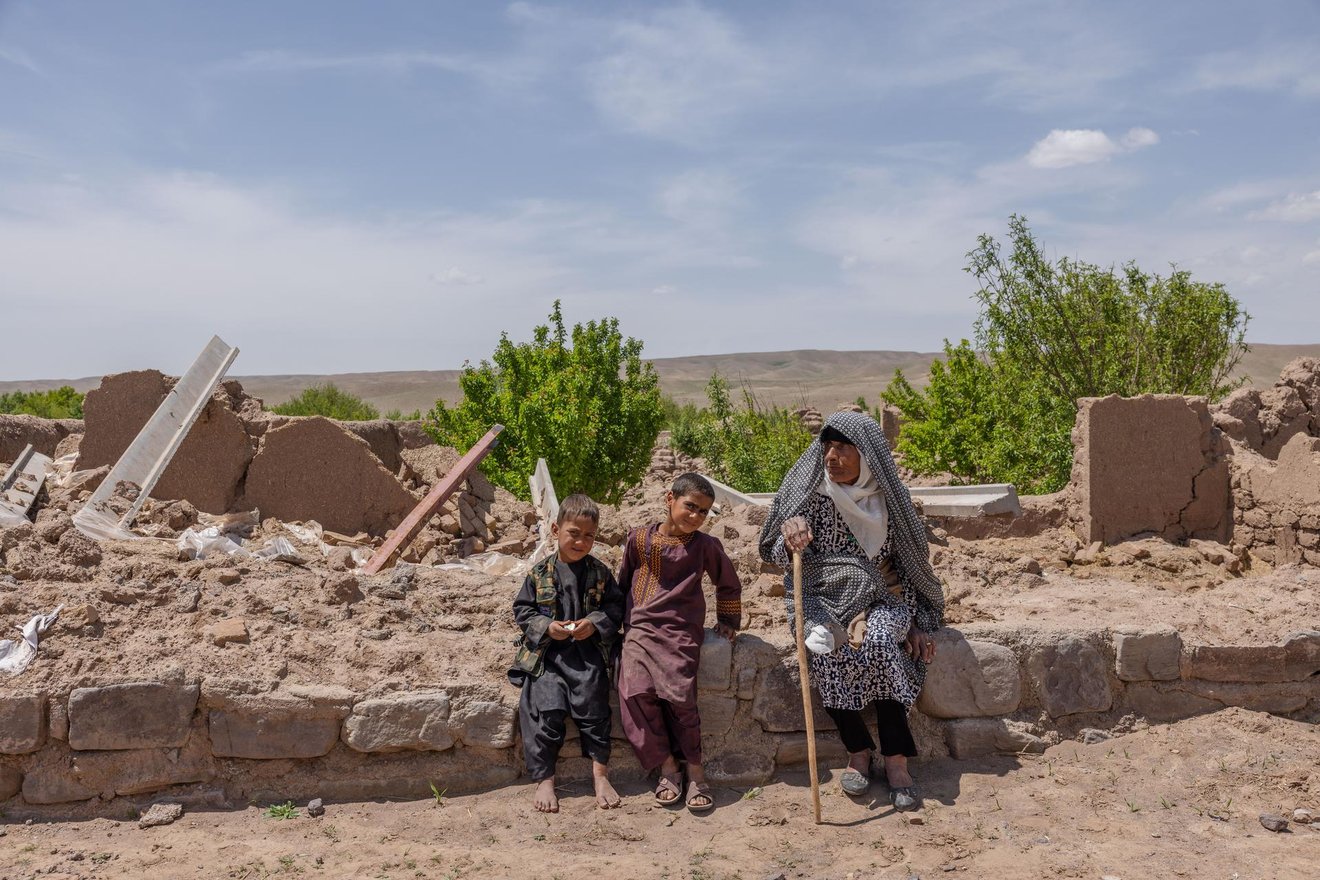
Photo: Sayed Aman Sadat / Cordaid / Fairpicture
Sayed Aman Sadat
Fairpicture Visual Creator
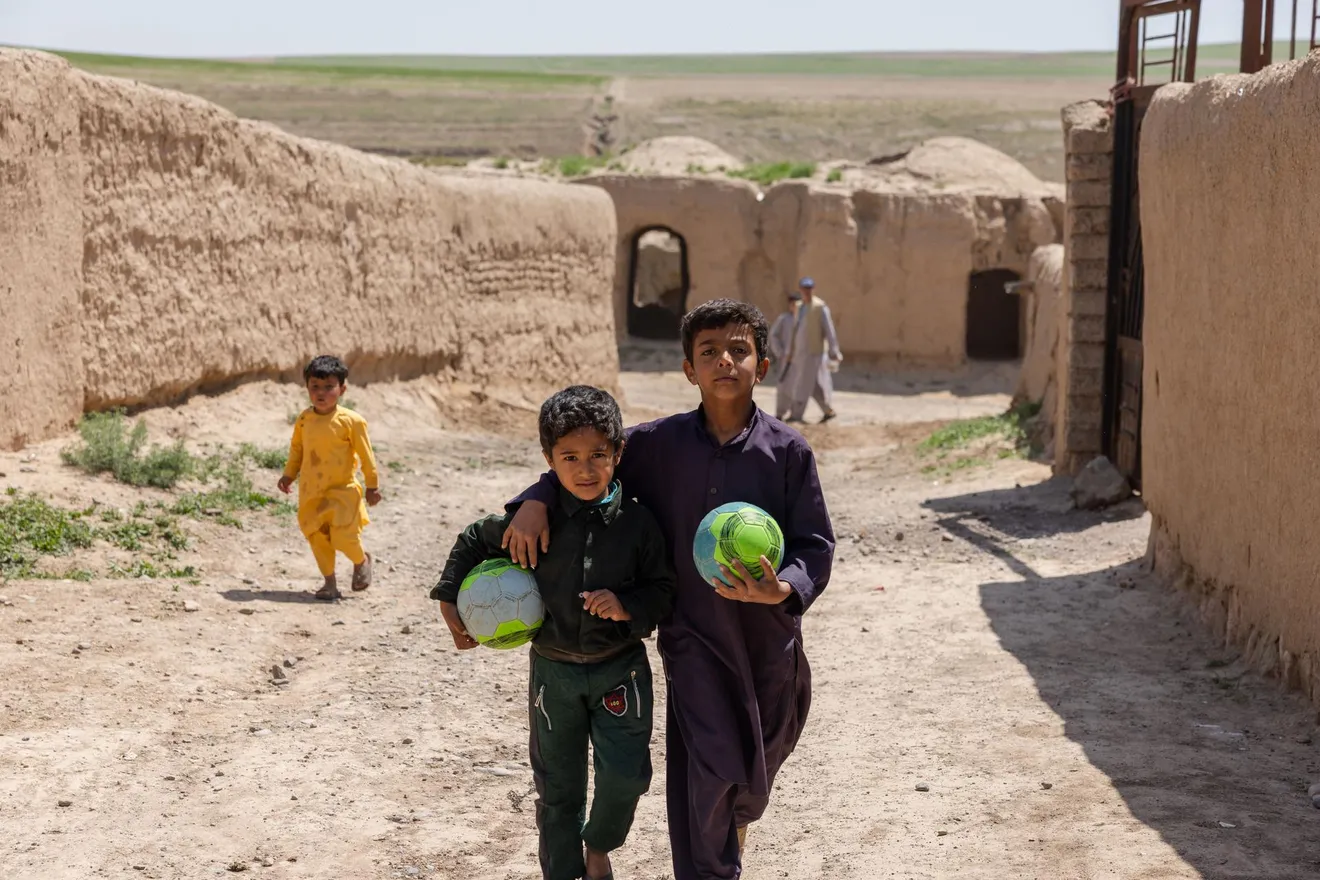
Photo: Sayed Aman Sadat / Cordaid / Fairpicture
Shortly after Sayeds visit he submitted his documentary photos and interviews with the affected people and humanitarians in Herat. The material will now be used for a publication in a print magazine and an online magazine and distributed through various online (social) media channels with politicians, policy influencers (advocating for continued humanitarian support for Afghanistan) and humanitarian sector professionals as the main target audiences. The publication date was planned for October 2024, exactly one year after the earthquake.
June 2026 - Beyond Fossil Fuels
Fairpicture's first European multinational production — four local creator teams across the UK, Spain, Germany, and Türkiye documenting the real cost of grid connection failures for people trying to join the energy transition.
Learn more about Waiting for connection: local stories on Europe’s grid challenges

October 2025 - IEC – International Electrotechnical Commission
Fairpicture travelled across three Kenyan counties to capture the community impact of the Global Impact Fund’s solar energy investments.
Learn more about Clean Energy, Real Impact
August 2025 - missio - International Catholic Mission Society
Behind products we use every day lie untold human stories. This project with missio captures life at the origin of the mica trade.
Learn more about Glimmer of Hope: Faces Behind Madagascar’s Mica Mines