
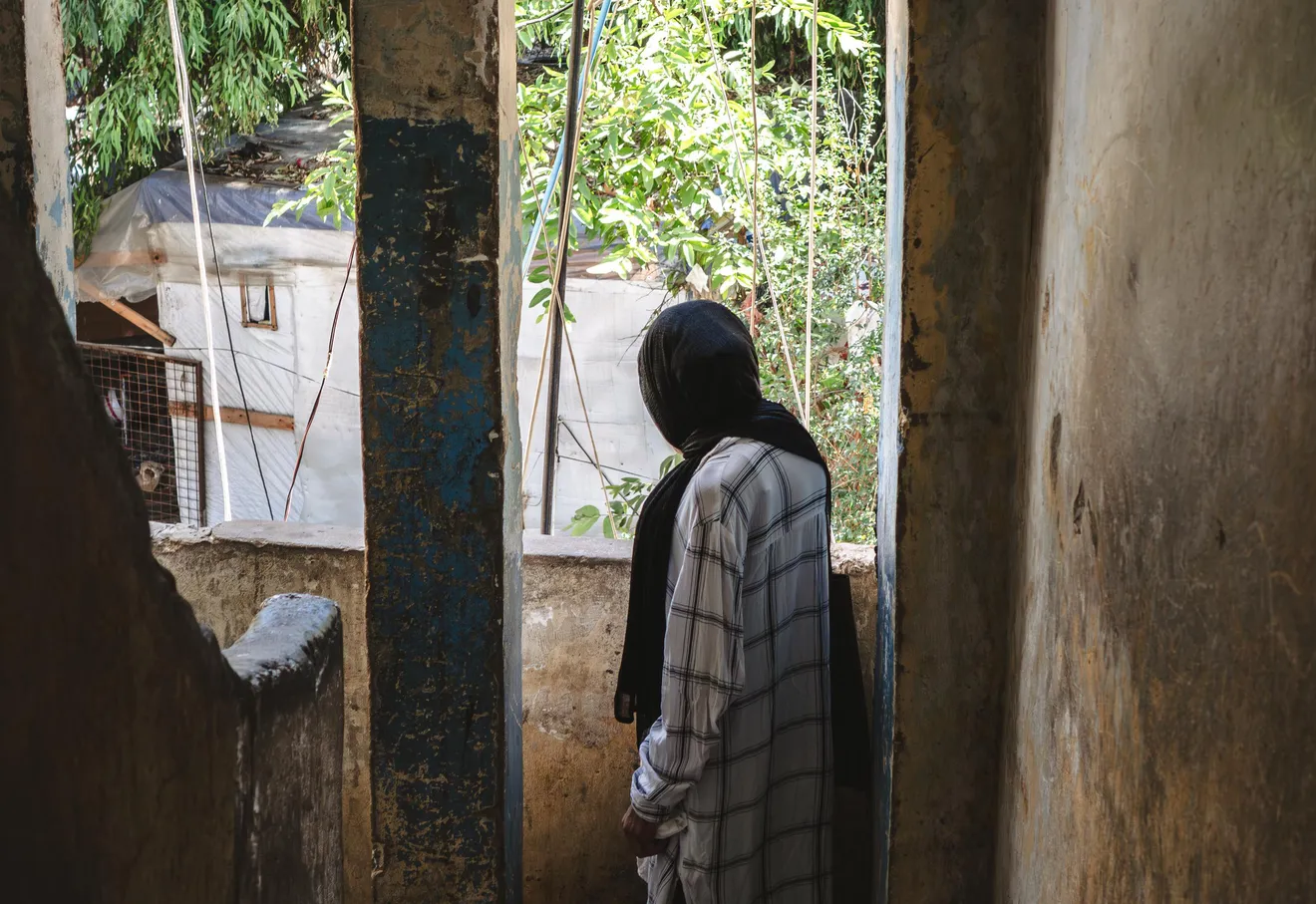
Sama*, after receiving us to her house – Carmen Yahchouchi / DEC / Fairpicture
As a child, my first impressions of conflict and war came through the eyes of outsiders. I still clearly remember the images of women crying, men fighting, elders fleeing with their belongings. Years later, I realised that my understanding of war had been shaped entirely by someone external to it – someone who could only observe from afar, someone who hadn’t lived through their fear, loss, or uncertainty.
As I grew older, it left me wondering how the world perceives Lebanon and its many wars. If my own perception was influenced, what about theirs? Are opinions forged only by the images we see, or by the narratives that follow? And who tells our story?
What follows is my personal reflection on a Contributor Centred Storytelling project I was commissioned by the DEC to capture in October 2025 [learn more].
Creator
Laura Menassa
Location
Beirut, Lebanon
Date
March 1, 2026
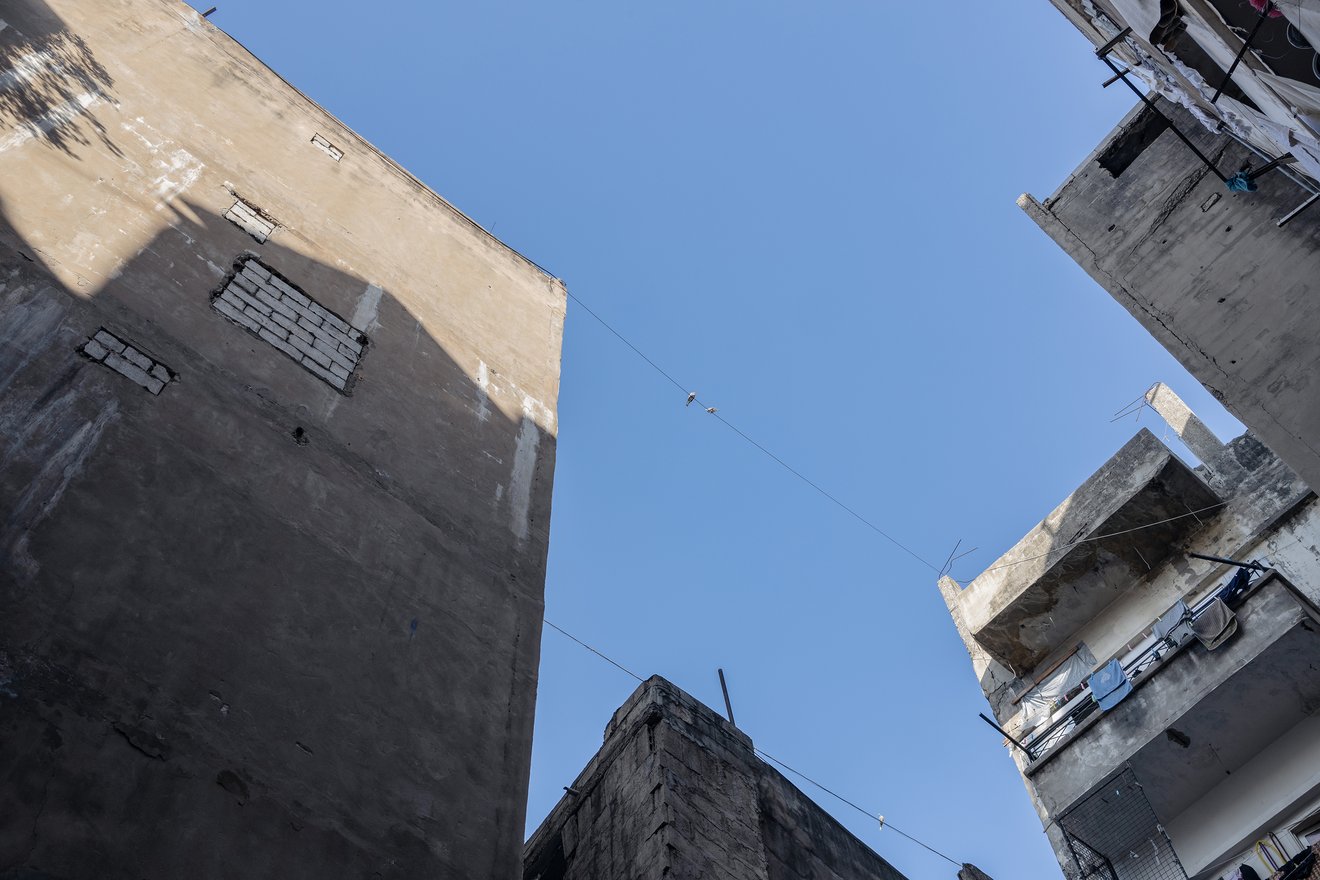
Sky view from Zeinab’s house – Laura Menassa / DEC / Fairpicture
Numbers & Headlines versus the real Impact of War
In 2024, during the war in Lebanon, the news – mostly depicting destruction and death – was once again told by external voices. The same photographs appeared again and again: a collapsed building from different angles, a Qur’an on a car seat accentuating an exotic aesthetic, a displaced person asleep in the street; images that also raised questions about consent. Newspapers sent their correspondents for only a few days to tell our stories. And when we, locals, were contacted, the instructions were often specific, designed to match a pre-set visual expectation: “an elder carrying belongings on their shoulder,” “aerial views of the destruction.”
Not only as a Lebanese photographer, but as a human being, it triggered something in me. I began to question how these narratives are built, and who has the right to tell them. What was missing in all these portrayals was the voice of those living the story – with tenderness or anger, with the daily attempts to continue existing amidst chaos.
Beyond these familiar visuals, storytelling offers something else: it allows individuals to speak for themselves, to reveal their own truths, to denounce injustice. It becomes a way to bring forward fragments of invisible lives, to put a face to what is frequently reduced to numbers or headlines.
I often think about those who remain; the ones who still coexist with the impacts of war, who try to live as they used to. They are thousands, yet only a few of their stories ever reach us. And when they do, they are told by others. This is partly why the one-week storytelling workshop I’m writing about in this post seems so important to me.
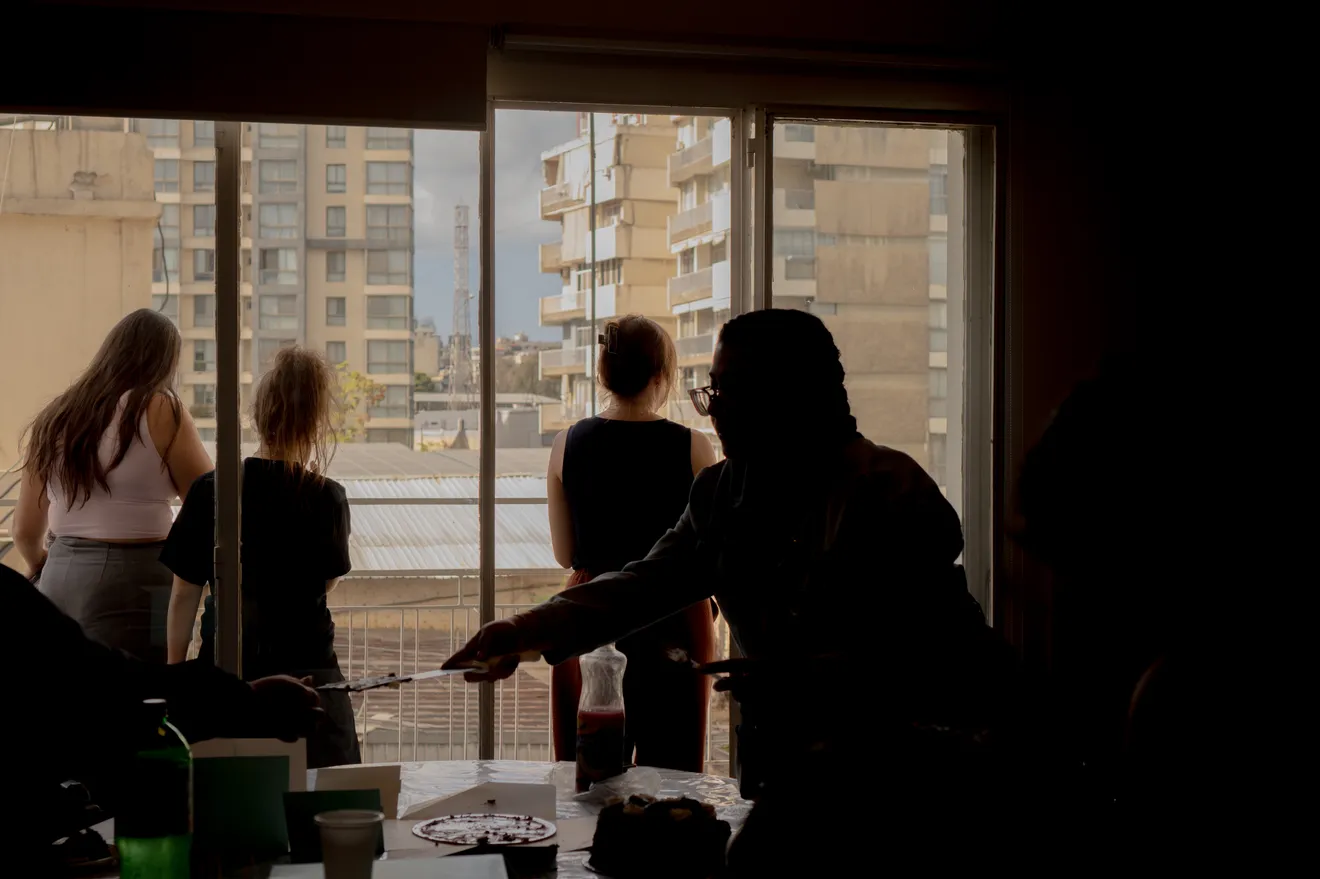
Workshop team gathering on the final day at Mouvement Social – Laura Menassa / DEC / Fairpicture
Storytelling workshop with women displaced from southern Lebanon
In October 2025, members of the DEC, Christian Aid, and Jess Crombie – a consultant in ethical storytelling for the humanitarian sector – came to Beirut to lead a storytelling workshop with women displaced from southern Lebanon by the 2024 war. It was hosted by their local partner NGO, Mouvement Social, which continues to provide essential support to these women and their families.
Connected to the NGO through Fairpicture, photographer Carmen Yahchouchi and I joined the team as creatives to support the participants in creating and sharing the stories they wanted the world to hear. During the first two days, we introduced ourselves and initiated them to basic notions of photography.
The workshop explored different approaches to storytelling within the humanitarian sector, recognising that methods vary depending on context, urgency, and purpose.
In some situations, humanitarian organisations rely on fast to respond to immediate needs, while in others there is space to work more collaboratively, allowing people affected by crises to play an active role in shaping how their stories are told.
Who has the right to shape narratives that influence public opinion?
Jess, who led the workshop, explained its core idea: to challenge who has the right to create narratives that affect public opinion. Within this framework, storytelling was approached as a process that can extend beyond documentation, and photography as a tool for self-expression. We discussed consent, privacy, and anonymity, emphasising that they would remain in charge of their own stories and images, an ethic too often forgotten. Discussions around consent, privacy, and anonymity emphasised that participants remained in control of their own stories and images throughout the process.
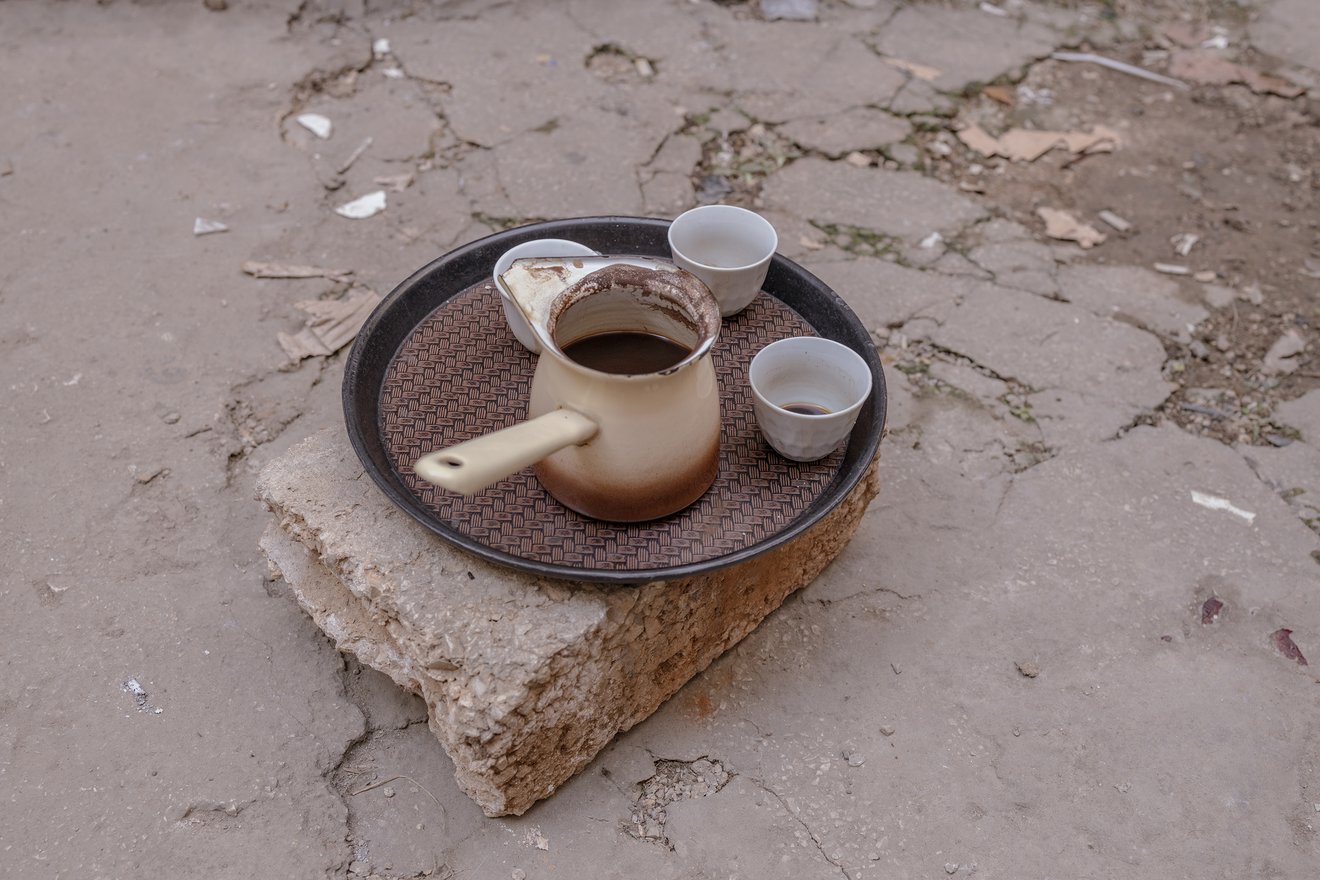
Coffee break while waiting for the government water with Zeinab – Laura Menassa / DEC / Fairpicture
The participants chose together four stories that could represent them all, and selected who would be filmed or interviewed. Over the following days, we, the team and participants, worked side by side to bring these stories to life, from the centre to their homes. By the end of the week, we showed them all the material so they could decide what to keep or change.
During one discussion, Jess said: “People are inspired by inspiring stories.” A simple sentence, yet an accurate one. We all know that photographs evoke emotions, they awaken empathy, spark anger or hope, make us smile or cry. An image can reveal an unknown reality, or one we know too little about.
But how often do we think about the impact these images have on the people we photograph? On the faces we see for only a few seconds? Faces that are not only sharing a story, but carrying it.
Reflection that leads to listening and observing differently
These faces deserve to tell their stories on their own terms, and with dignity. By giving them the space to speak for themselves, the workshop became a way for them to reclaim their narratives and truths. It’s within this reflection that we should start to listen differently, to see differently.
These stories belong to women who have lived through displacement, loss, and survival. Their words challenge the idea of being spoken for; instead, they speak from within their own experience. Through storytelling, they reclaim the right to define themselves, to transform pain into expression, and to exist beyond the frame of a single image.
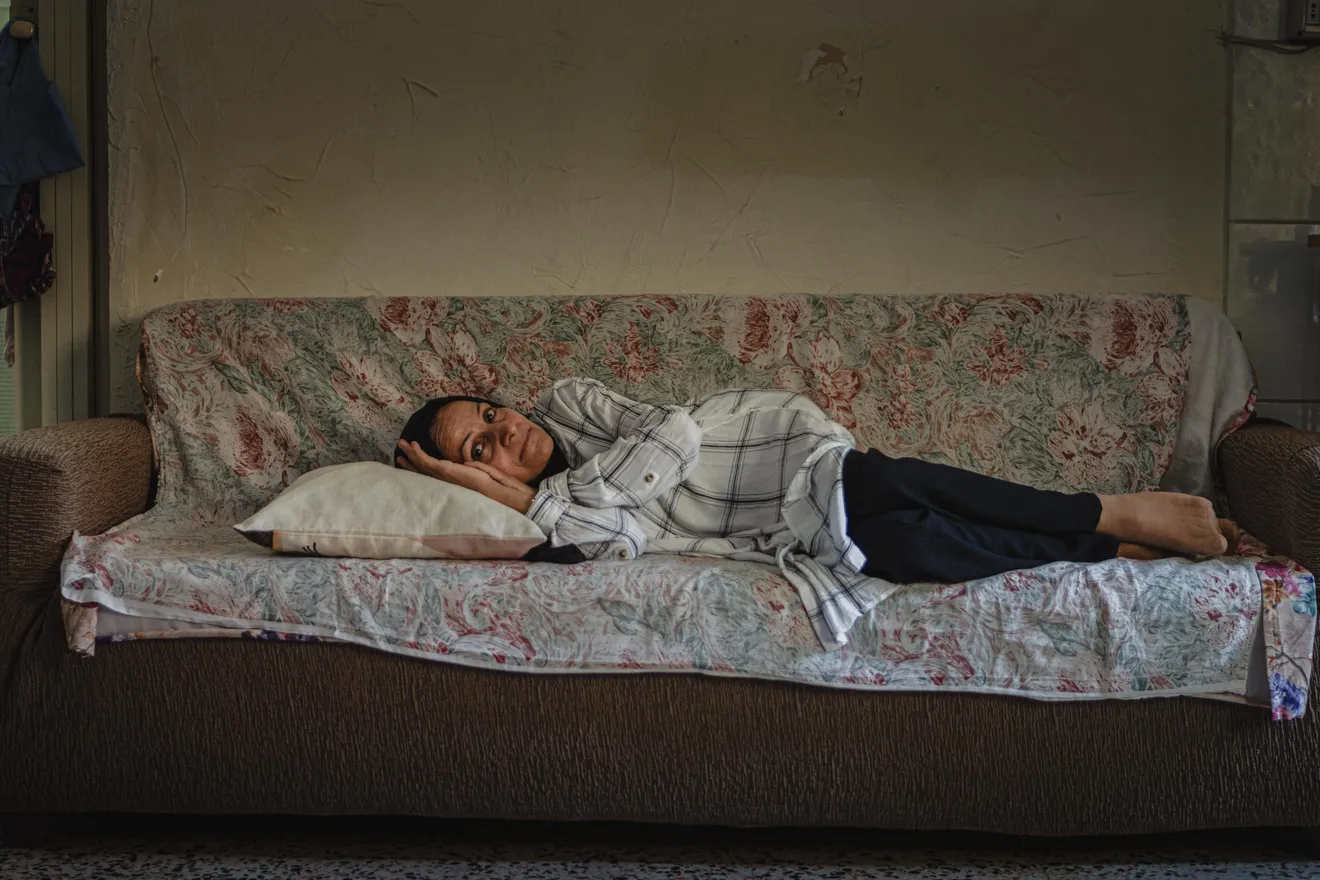
Sama* lying on the sofa in her home – Carmen Yahchouchi / DEC / Fairpicture
Contributers as directors
They decided what to share, who to represent, and where to be filmed. On set, they even directed us: pointing out details they wanted to highlight, like hands cooking or a newly sewn dress, and contributing to the composition of the image. Through this process, trust and respect grew naturally and for once, they were the ones in control.
It took courage and trust for these women to open up and share their stories with an unknown audience. Beyond the emotional exposure, they also carry the fear of being judged by their families or communities if these images were seen. Yet, despite this pressure, they chose to speak, they chose to show, not only for themselves but for all the women and families who cannot.
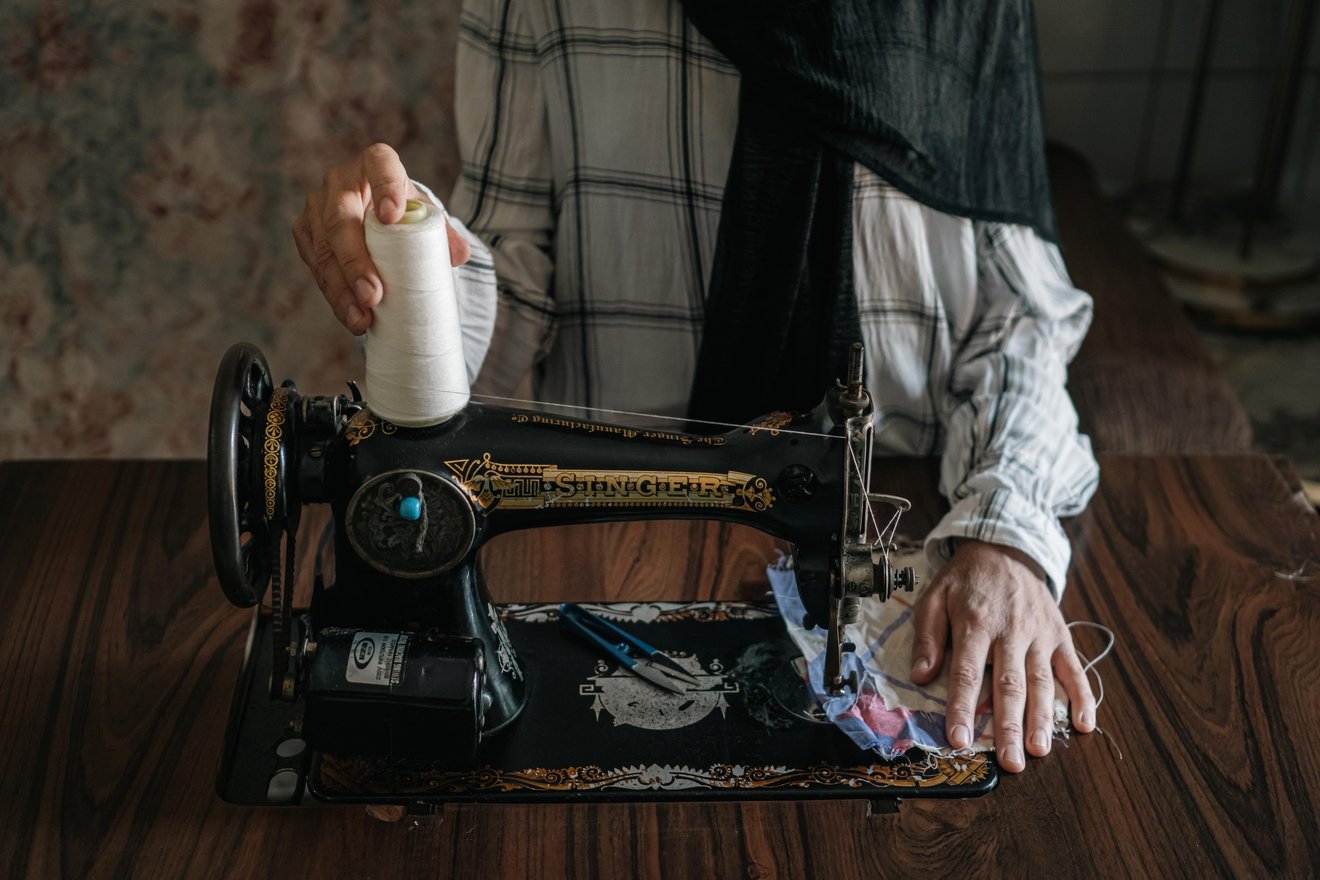
Sama* and the sewing machine she named “Maria” – Carmen Yahchouchi / DEC / Fairpicture
When someone shares something intimate and real, the viewer feels closer to them, recognising themselves in these ordinary gestures that connect us all: bathing their children, helping with homework, preparing food.
They are not just listening to a testimony but following these women through their daily gestures, witnessing the struggles they encounter: the lack of resources, water, electricity, or income. Compassion is built through this visual memory that storytelling creates, leaving the viewer to wonder:
What if it was my family, my children?
What if I were losing my home in a war?
As a photographer, I’ve always found it difficult to be assigned to meet someone for only a few hours and extract their story. As if a life could be condensed into a short encounter. They know nothing about me or the audience, yet are expected to answer personal questions in front of my camera. It has always felt wrong to me, because people were becoming subjects rather than humans.
Spending a full week together changed everything. It allowed us to go beyond the limits of an assignment, to connect. We laughed and cried together, shared cigarettes on the balcony, food and anecdotes, hugged out of compassion. We got to know eachother, not through the distance the camera can sometimes create in this context, but through genuine connection.
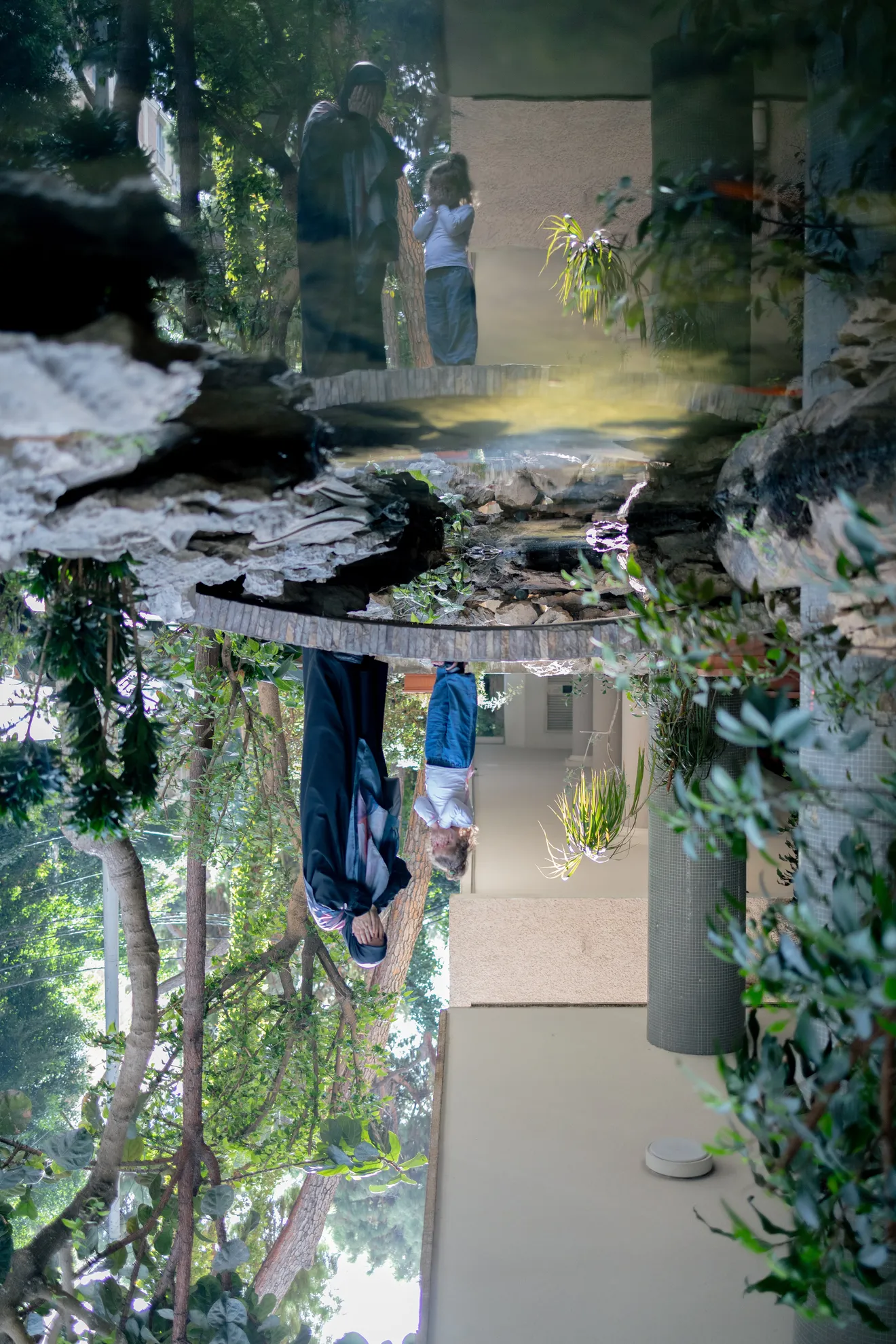
Photo: Portrait of Hanaa* and her daughter Rania* – Laura Menassa / DEC / Fairpicture
Connection Through Genuineness
Spending a full week together changed everything. It allowed us to go beyond the limits of an assignment, to connect. We laughed and cried together, shared cigarettes on the balcony, food and anecdotes, hugged out of compassion. We got to know each other, not through the distance the camera can sometimes create in this context, but through genuine connection.
Building a bond is essential when telling someone else’s story, to transcribe it the way it is meant to be told. As creatives, it is our duty, and we carry the responsibility to respect a person’s integrity, because we are the link between them and the viewer. And especially in times of war, we must remember that those we portray should remain the ones in control. When everything else feels uncertain, reclaiming their story becomes an act of empowerment, one that restores confidence and hope.
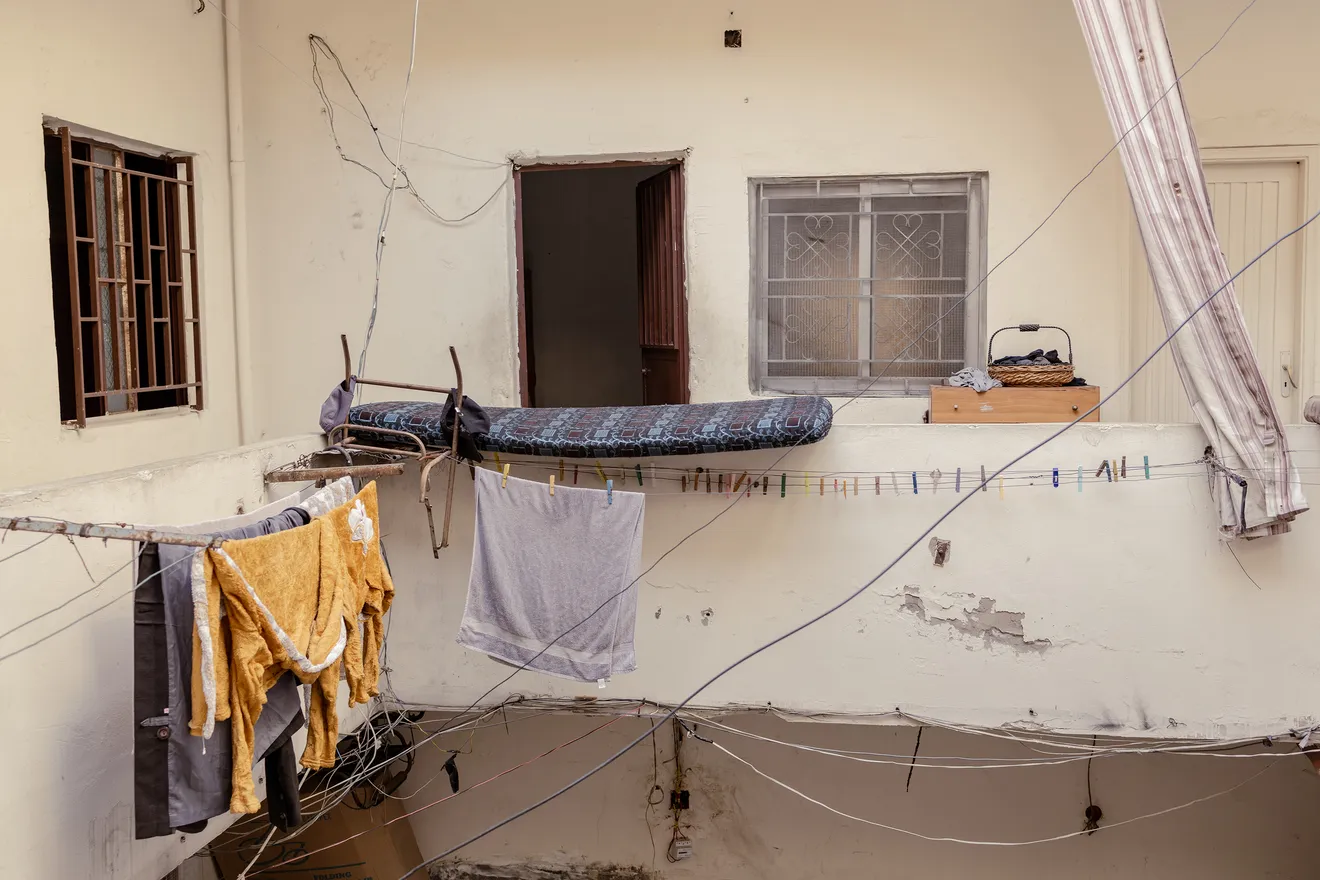
Exterior view of Zeinab’s house – Laura Menassa / DEC / Fairpicture
Storytelling as a therapy
I had this constant feeling that, for these women, the workshop was also a therapy; a sort of release or a brief escape from the weight of displacement, and a way to reconnect with others who shared similar struggles.
Many spoke of the same worries: the lack of water and resources, their children’s safety and care, and the difficulty of accessing education. Child protection has become almost non-existent, and their children’s safety remains their main concern. Unsure where to turn, they wish for more support. As Saida said, “Even in the spaces that are supposed to be for children and their care, we encounter difficulties and problems.”
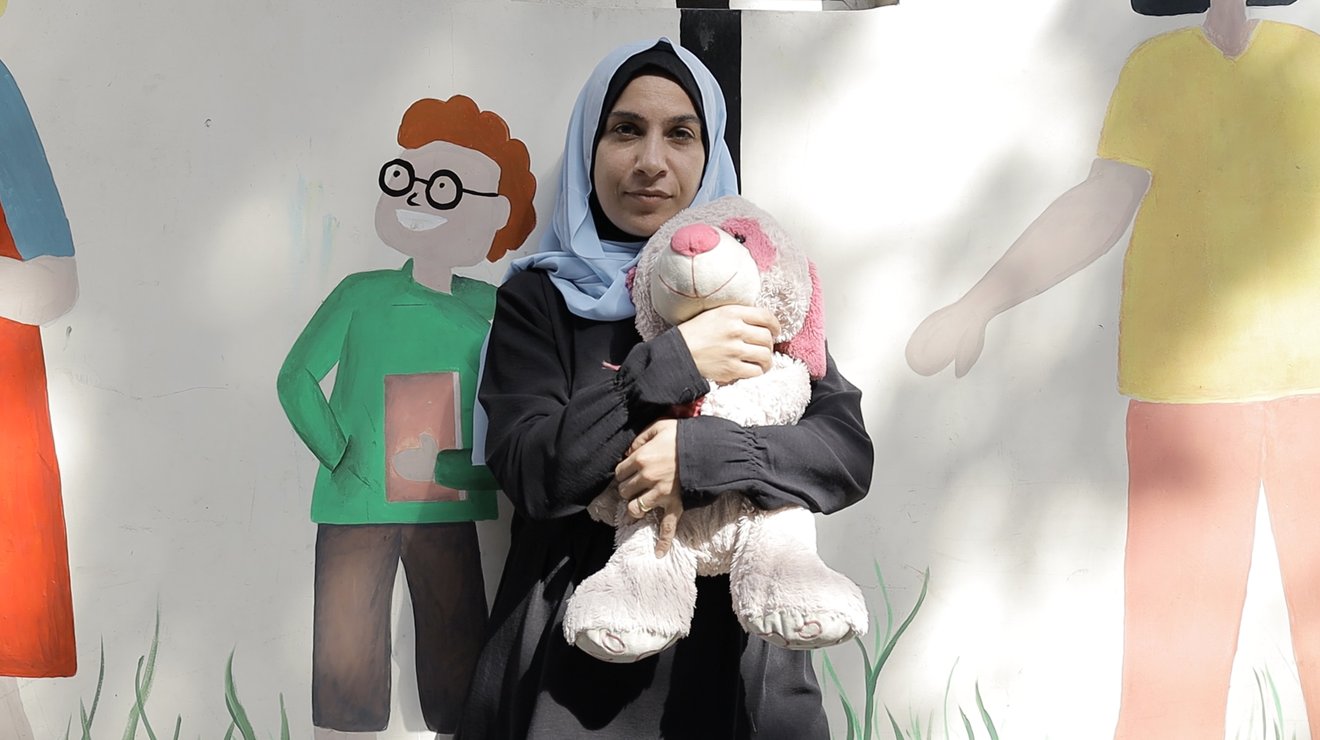
Abir posing with her teddy bear – Laura Menassa / DEC / Fairpicture

“We are in our country but we feel like strangers, because we are treated like strangers. And we don’t have anyone to listen to us.”
Abir
Throughout the workshop, I also felt the women found the space to ask questions they were once maybe too shy to ask, gaining more clarity on the help available to them, where to find it, and who to contact for different kinds of support. Several shared the same fear for their children that they felt during the war, wondering how to care for them with so few resources, especially since most have stopped attending school. “I want my daughter to reach a certain level of education and sustain herself,” said one of them. Others added, “Who will take care of them if I die?” or “I want my son to have a degree to help the family, as my husband passed away.”
This week gave them the time to express things they wouldn’t have been able to share in just a few hours; thoughts that often remain unspoken during brief encounters. Through this process, storytelling became a space for them to voice their anticipations, their fears, and their hopes for the future. “If we keep them safe now, it will ensure them a better future. We have to keep them away from abuse, drugs, and risks,” said one of them.
One person, one location, one action
During the filming days, the goal was simple: one person, one location, one action. The women chose to highlight Laila*’s story, a mother who fled from southern Lebanon with her family to escape the war. Today, she does her best to support her children’s education.
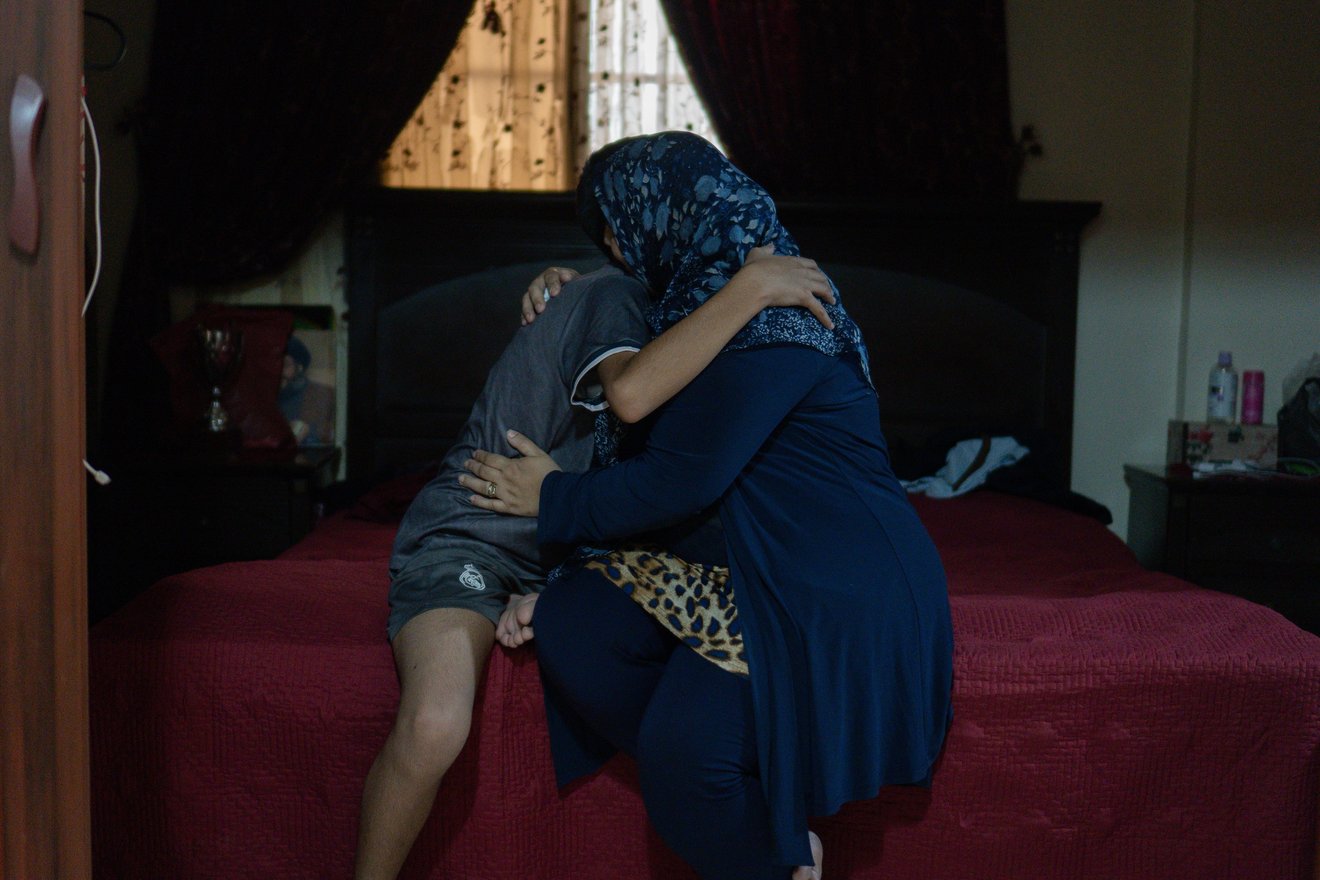
Laila* hugging her younger son, as during the bombings – Carmen Yahchouchi / DEC / Fairpicture
Hoping to return home one day, she shared a peaceful daily scene that has since become a nostalgic memory: The South, early morning, the sun is soft, breakfast in the garden with her sons, Fairuz playing in the background.
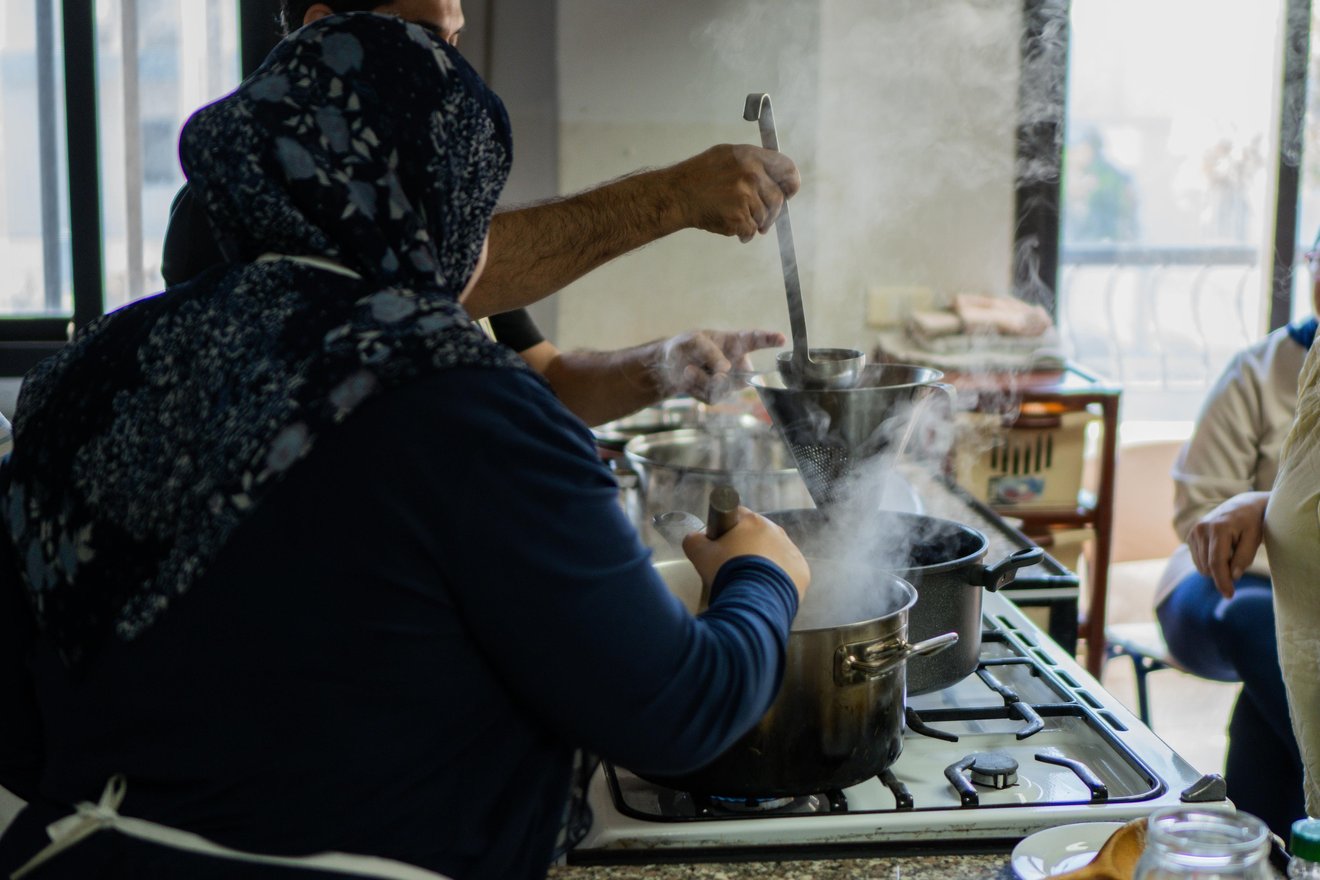
Laila* decided to tell her story through the cooking classes she takes at the centre, welcoming us into their current house, and later introducing us to Rose, the psychologist at the Mouvement Social centre, whom she chose to interview.
Photo: Carmen Yahchouchi / DEC / Fairpicture
The Mouvement Social centre plays a crucial role in their lives, not only as a place of aid but as a safe, supportive community. Staff members like Rose and Rafca know the women personally, follow up on their needs, and treat them like family. They provide psychological support, sewing and cooking classes, and even a place to shower or do laundry. But most importantly, they offer a sense of dignity and belonging. As Hanaa* said, “In the shelter, there are a hundred children like mine.” Through the interviews the women chose to conduct, I realised how essential the centre’s support is, and how vital it remains for them to keep receiving funds from abroad.
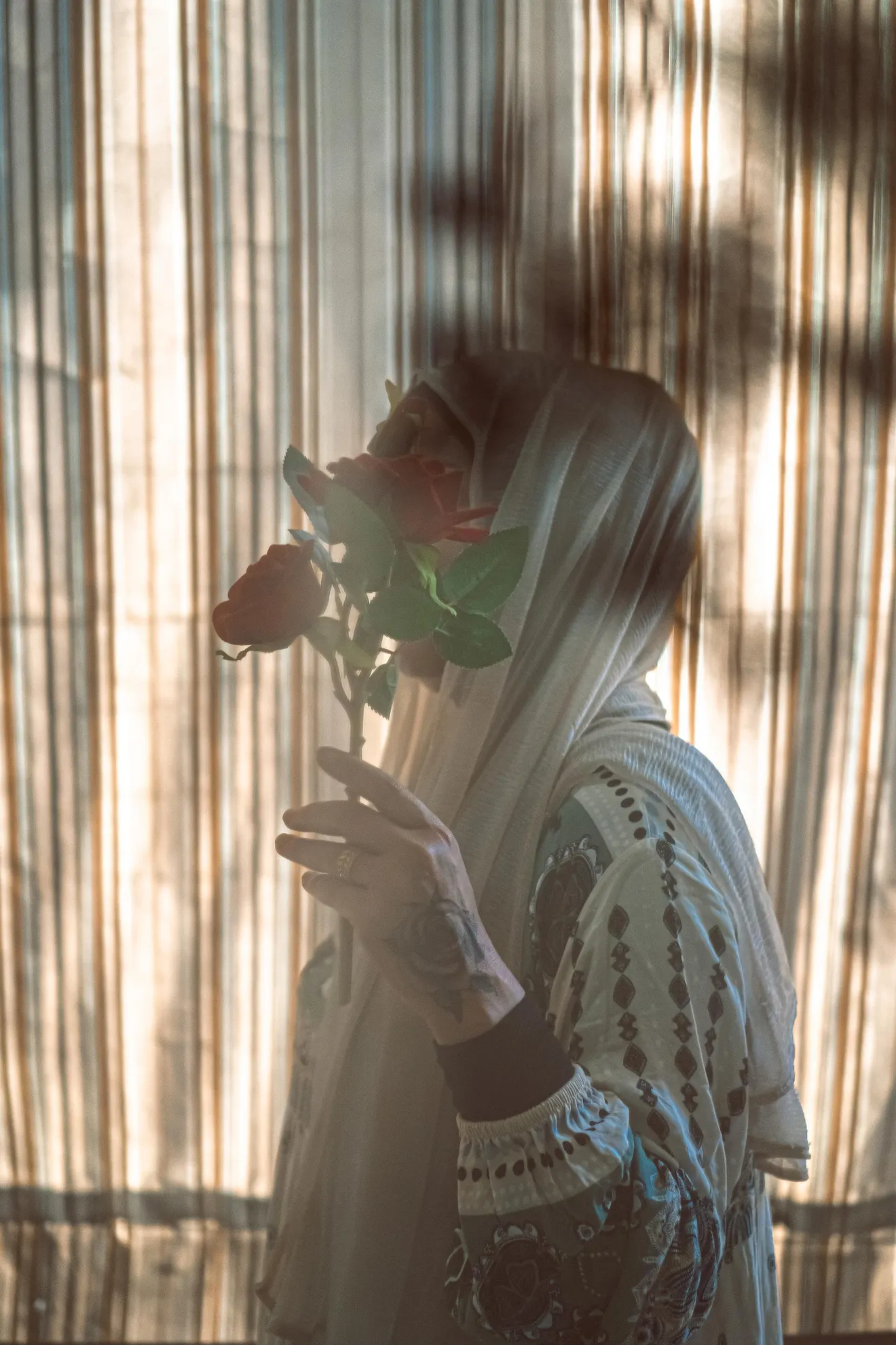
Portrait of Zeinab holding roses – Carmen Yahchouchi / DEC / Fairpicture
When Simple Is Hard
As I mentioned earlier, it’s often in the small details of daily life that we begin to understand the weight and inconvenience of their situation. For many, every simple task becomes a challenge, especially when it comes to raising their children.
Zeinab, a mother of two girls, shared how one thing led to another: her eldest developed a skin infection caused by poor-quality water. Because the government fails to provide running water to certain parts of Beirut and its suburbs, families are forced to buy water from external suppliers – water that is often unregulated and unsafe. What followed were medical expenses and doctor visits they could not afford. The Mouvement Social centre steps in to fill those gaps, offering not only support and education, but also something as basic and essential as a clean space to shower.
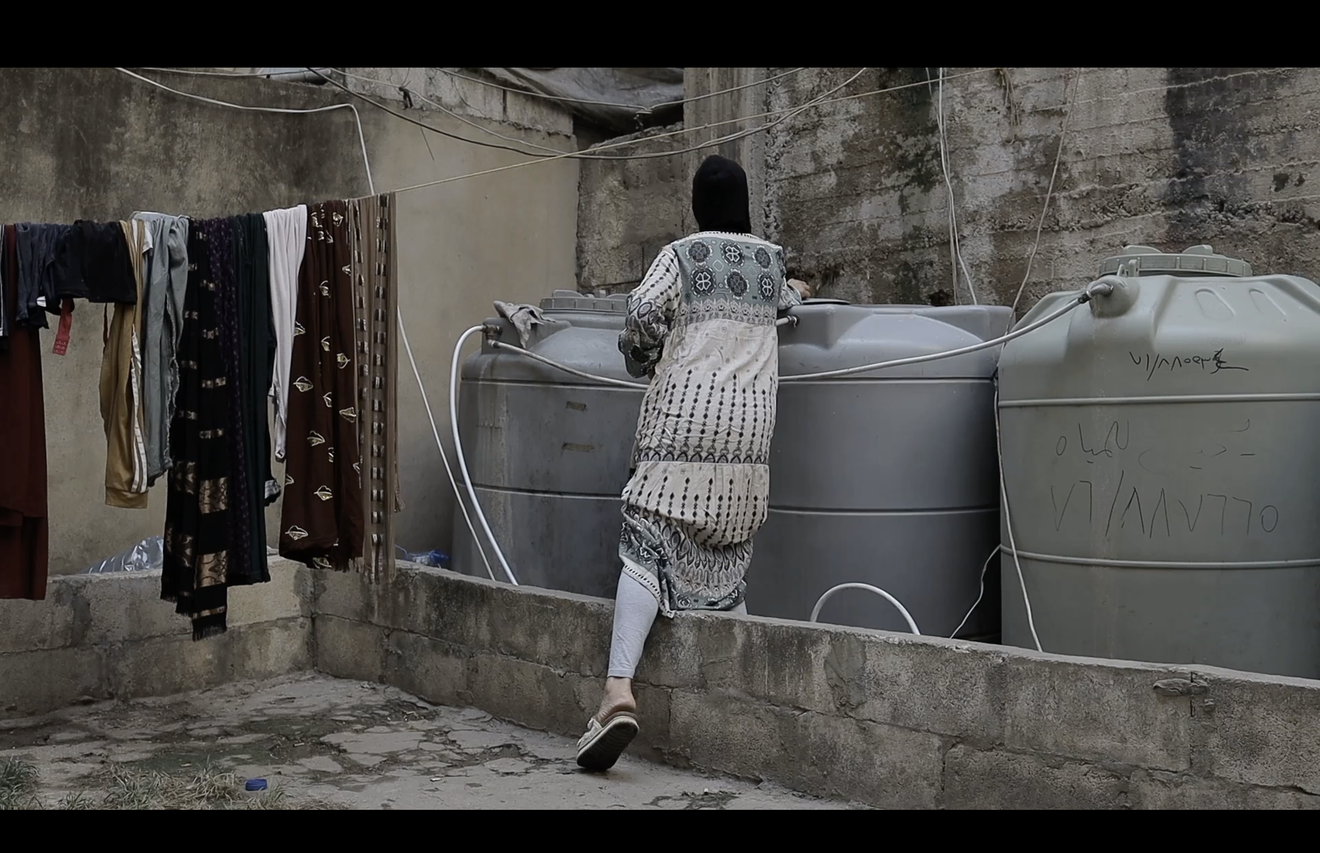
Zeinab checking her apartment building’s water tank – Laura Menassa / DEC / Fairpicture
Even though they are grateful for the help and all the support the centre gives them, they do not wish to rely on donations. They want their kids to attend school again, to eat and shower like any other children. They want to open a coffee shop or own a new sewing machine. They want to support their families, and to live with stability.
They simply want to return home.
The workshop phase of the project ended, leaving Carmen and I with a lot to consider, and a small emptiness the next morning; knowing we might never see everyone again.
And I wondered: are a few days ever enough to tell their stories, compared to everything these women have faced since being displaced? But then I remembered the main purpose of this week: to help them tell their own stories and share them with the world.
To conclude, there is a sentence that keeps popping up in my mind, something Carmen, the photographer, said:
I can’t stop thinking about the first day and the last one. The first day, we were all sitting like strangers, shy in our own corners, and on the last, we all cried in each other’s arms.
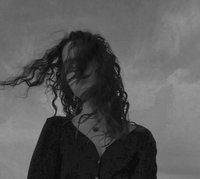
Carmen Yahchouchi
Fairpicture Visual Creator
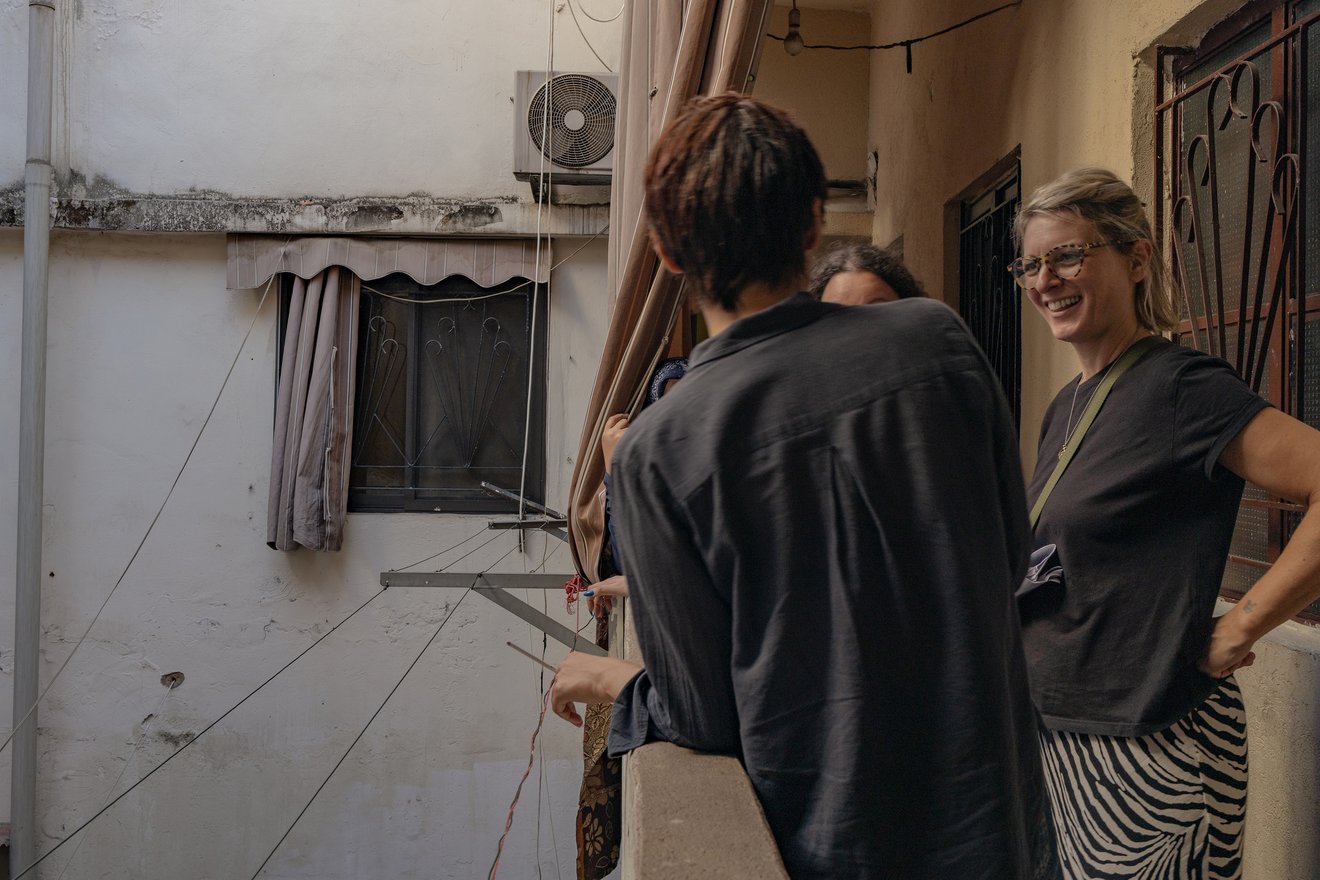
Fadwa, Jess, and Leila talking in front of Laila*’s house – Laura Menassa / DEC / Fairpicture
About
Fairpicture photographer / videographer Laura Menassa was commissioned by the DEC to capture visual material for the DEC’s new Contributor Centred Storytelling (CCS) model in Lebanon. The CCS model was devised and developed for the DEC by consultant and senior lecturer, Jess Crombie, in collaboration with University of the Arts London (UAL) and with input from DEC member charities.
This new approach to gathering humanitarian impact content aims to work with people affected by crises, as partners with the DEC, in the creation and sharing of their own stories. It is built around sharing editorial decision-making power, recognising that stories made for fundraising and reporting are stronger and more meaningful when they include the lived expertise of those who experience the impacts of these crises every day.
[Read more]
*Names changed to protect identity
More from our blog
May 2024 - N'Deane Helajzen
The Power of Community Storytelling and Co-Creation
Explore the importance of community storytelling and its relationship with co-creation, illustrating how they can enrich collective narratives.
Learn more about The Power of Community Storytelling and Co-Creation
March 2024 - Aurel Vogel
Informed consent: Why an app is better than paper forms
Collecting informed consent for photo and video productions is faster and more secure when using a mobile app instead of paper forms.
Learn more about Informed consent: Why an app is better than paper forms
February 2023 - Jörg Arnold
More than just a question of perspective. Why development needs different images
Development work is under fire. Voices from the Global South are now increasingly being heard in the Global North. But: Which images do we show?
Learn more about More than just a question of perspective. Why development needs different images