
Beyond Representation: From Storytelling to Social Change
 by
Tom Martin, July 2026
by
Tom Martin, July 2026
My journey into participatory methods began with an uncomfortable question. As a humanitarian photographer, how could I ethically represent other people's lives when I remained the person framing the story? What followed led me beyond storytelling itself – and towards approaches that generate knowledge, strengthen learning, influence policy and create change.
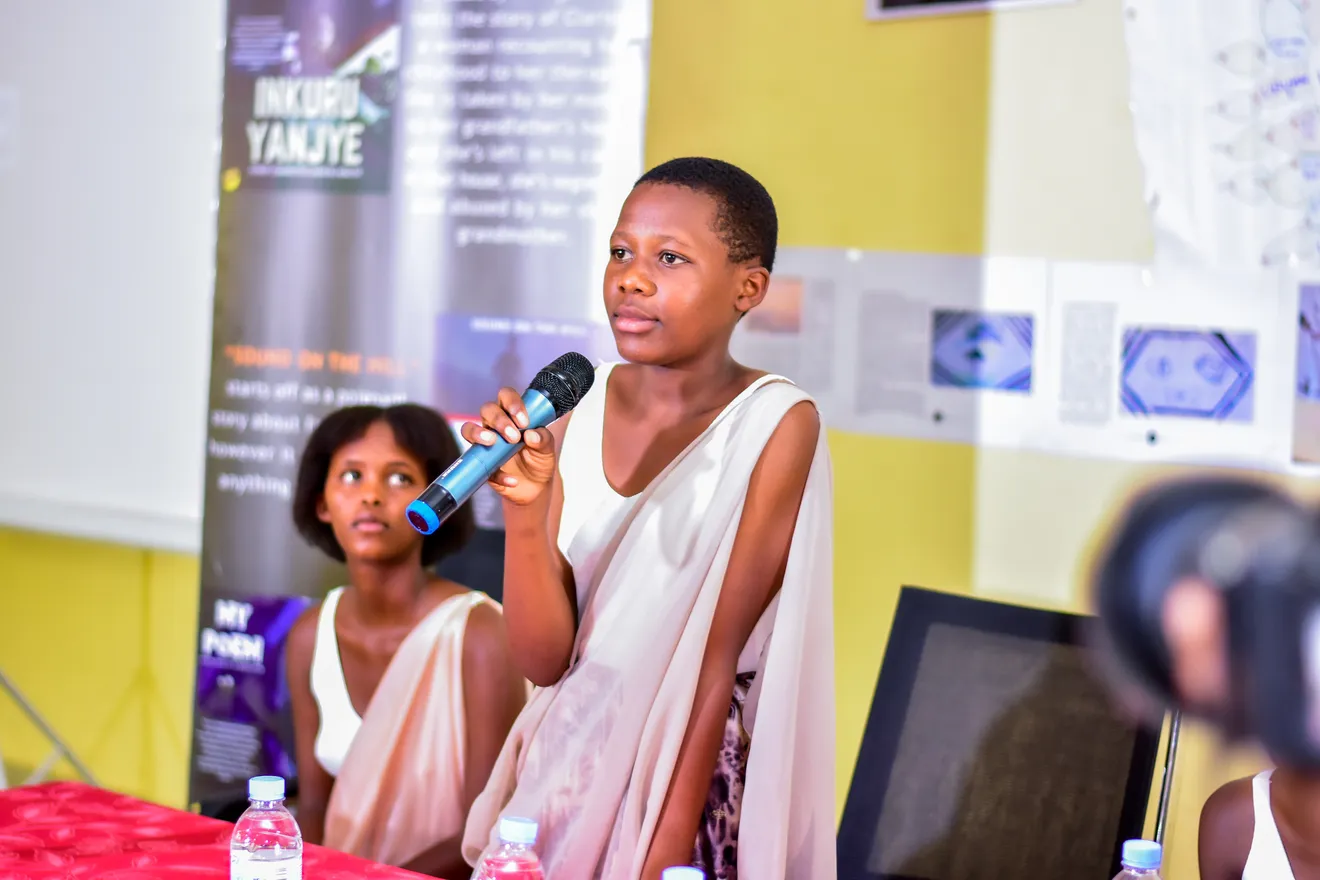
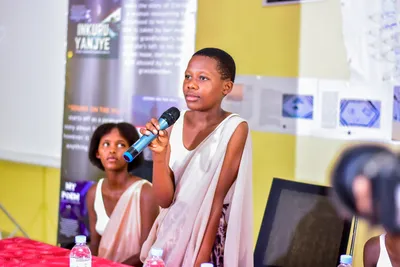
Youth from the Visualising Peace Project speaks at the Youth-Led Symposium, 4 January 2024 — where policymakers and mental health professionals met the young filmmakers whose stories went on to shape Rwanda's approach to youth mental health.
Copyright: Kwetu Film Institute
Daniel's recent blog post, Step Aside, argues that organisations need to relinquish control and create space for people to tell their own stories. I agree, but for me this raises another question: what happens after we step aside?
Over the last fifteen years, my own journey has taken me from humanitarian photographer to facilitator of participatory photography and filmmaking projects. Along the way, I've come to believe that participatory approaches and Community-Led Storytelling are about far more than communicating a message. At best, they can generate knowledge, strengthen monitoring and evaluation, support personal transformation, and even influence policy.
In this post I’m going to lead you through the story of how I became a participatory practitioner and how I have explored various methods and approaches to co-production, a journey that began with a growing discomfort photography and representation in the humanitarian sector.
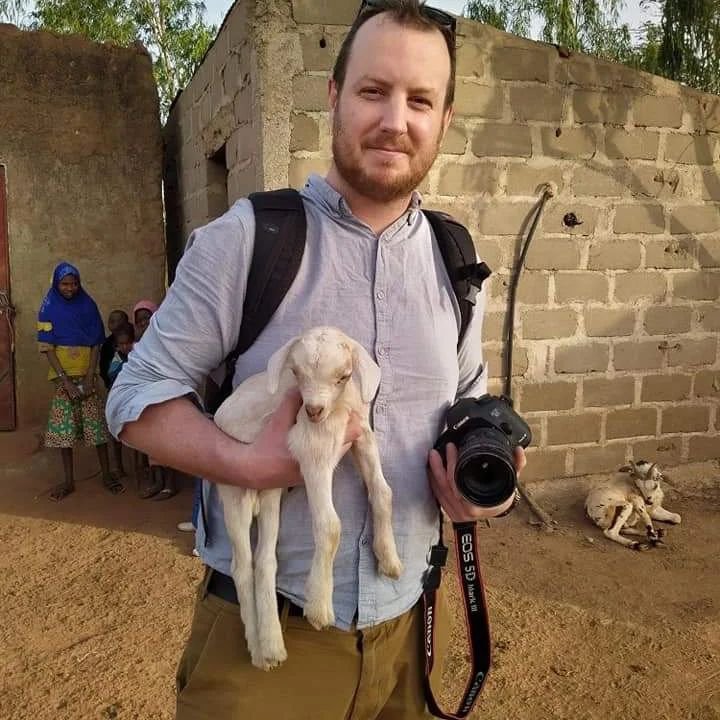
Me on location with Vétérinaires Sans Frontières Suisse In Mali, 2020
Copyright: Nina Privitera
The Trouble with Representation
In 2010, I was selected for the Taylor Wessing Photographic Portrait Prize at London's National Portrait Gallery. As a young photographer, it felt like a career-defining moment. The image had been made in rural Burundi, while working with the European Commission to document violations of human rights, contributing to an evidence base for funding and change within the Burundian judicial system. The photograph showing illegally imprisoned children was praised for its beauty and challenging subject matter.
Part of me was thrilled, but another part of me kept thinking about what had been celebrated. The image had aesthetic qualities, using photographic techniques and visual principles that I had honed during my time in art school in London. These jarred against its subject matter, depicting hardship, injustice and human suffering.
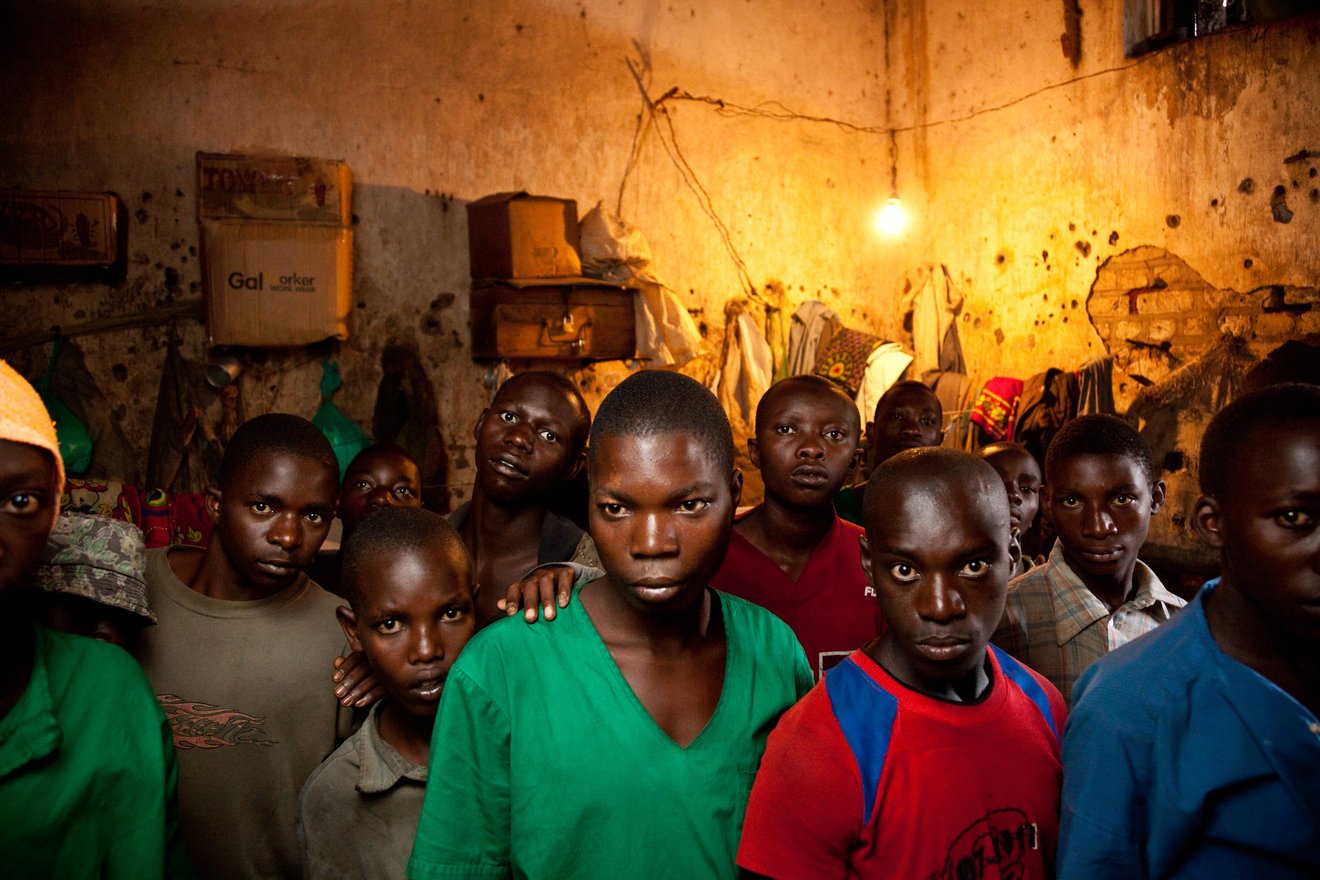
In 2010 Burundi had no juvenile justice system, children above the age of 15 were tried as adults. By law any child under that age should not be imprisoned, but in a country recovering from civil war and where record keeping is scant, many underage children were slipping through the net.
Copyright: Tom Martin
Like many humanitarian photographers, I believed deeply in the power of visual storytelling. Photography can shine light on issues, challenge assumptions and encourage action. Images can have a utility, beyond pure aesthetics. But however carefully I worked, I could never escape a fundamental contradiction. I remained the person holding the camera. I decided where to stand, what to include, what to exclude, and ultimately how a story would be framed.
No matter how ethical my intentions, the lens was still situated within a wider post-colonial power relationship. For years I wrestled with this tension.

How could I represent other people's lives ethically when I remained in control of their stories?
Tom Martin
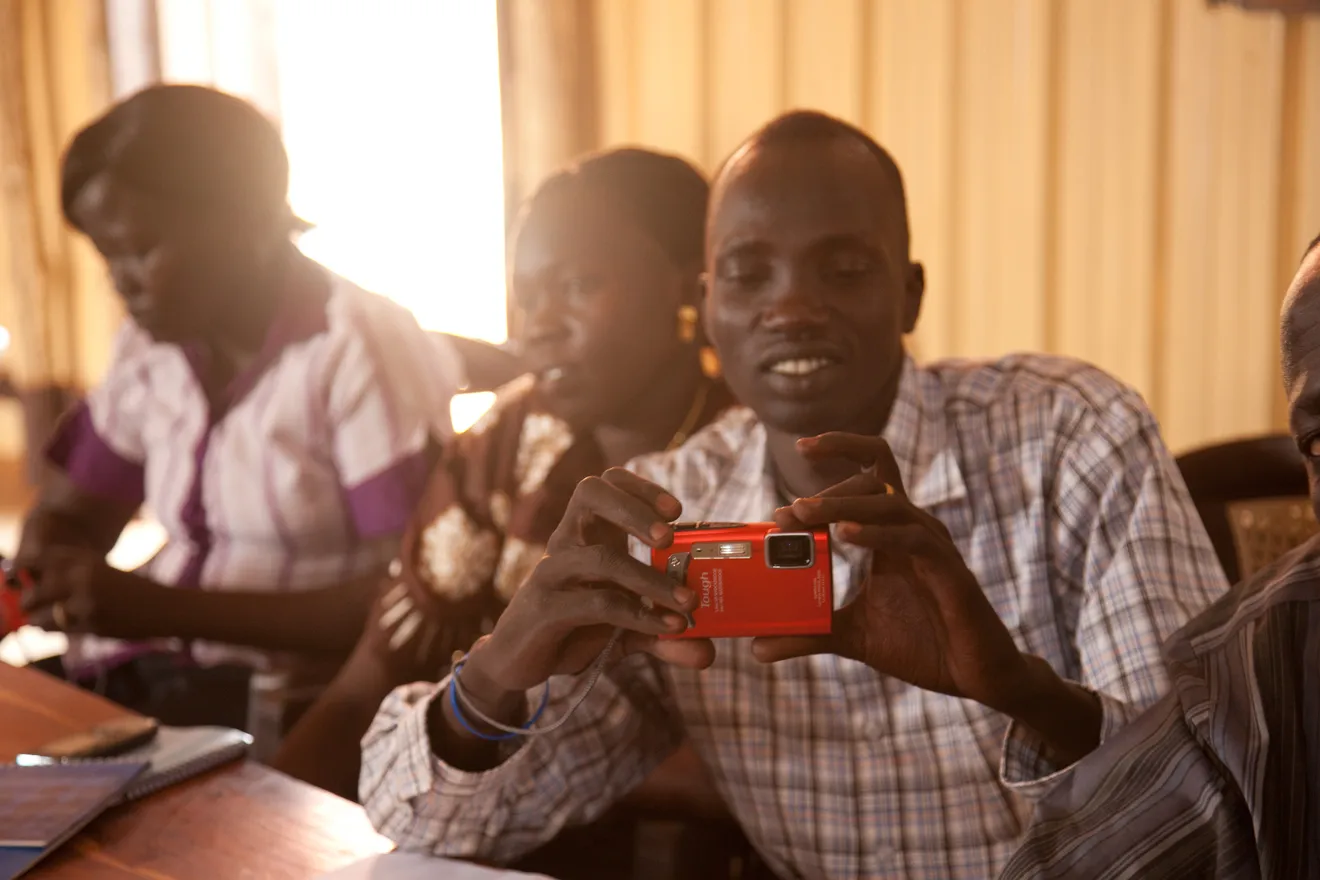
Kuajok, Warrap State, South Sudan. Saferworld Participatory Photography Project workshop.
Copyright: Tom Martin
A Turning Point in South Sudan
The turning point came in 2013 while facilitating a participatory photography project in South Sudan with Saferworld as part of its Community Security programme. Rather than documenting the situation myself, I was commissioned to train local participants in photography and visual storytelling techniques, handing them cameras and asking them to show what safety and security meant from their perspective.
I remember downloading the photographs and being taken aback. A police officer documented children stealing food because they had no family support. A soldier photographed an ex-child soldier struggling with trauma. A journalist highlighted the imprisonment of women because of unpaid marriage dowries. These were stories embedded within the community—stories that would have been extraordinarily difficult for an outsider like me to discover, let alone represent with any depth.
In my project notes, I wrote:
The participants in Kuajok have accessed their community and create a set of images that showed the issues that affect them with more depth and authenticity than I could possibly achieve as a western outsider.
Tom Martin
Looking back, that was the moment something shifted. The people closest to the issues were not merely contributing stories; they were generating and sharing knowledge. That distinction has shaped almost everything I have done since.
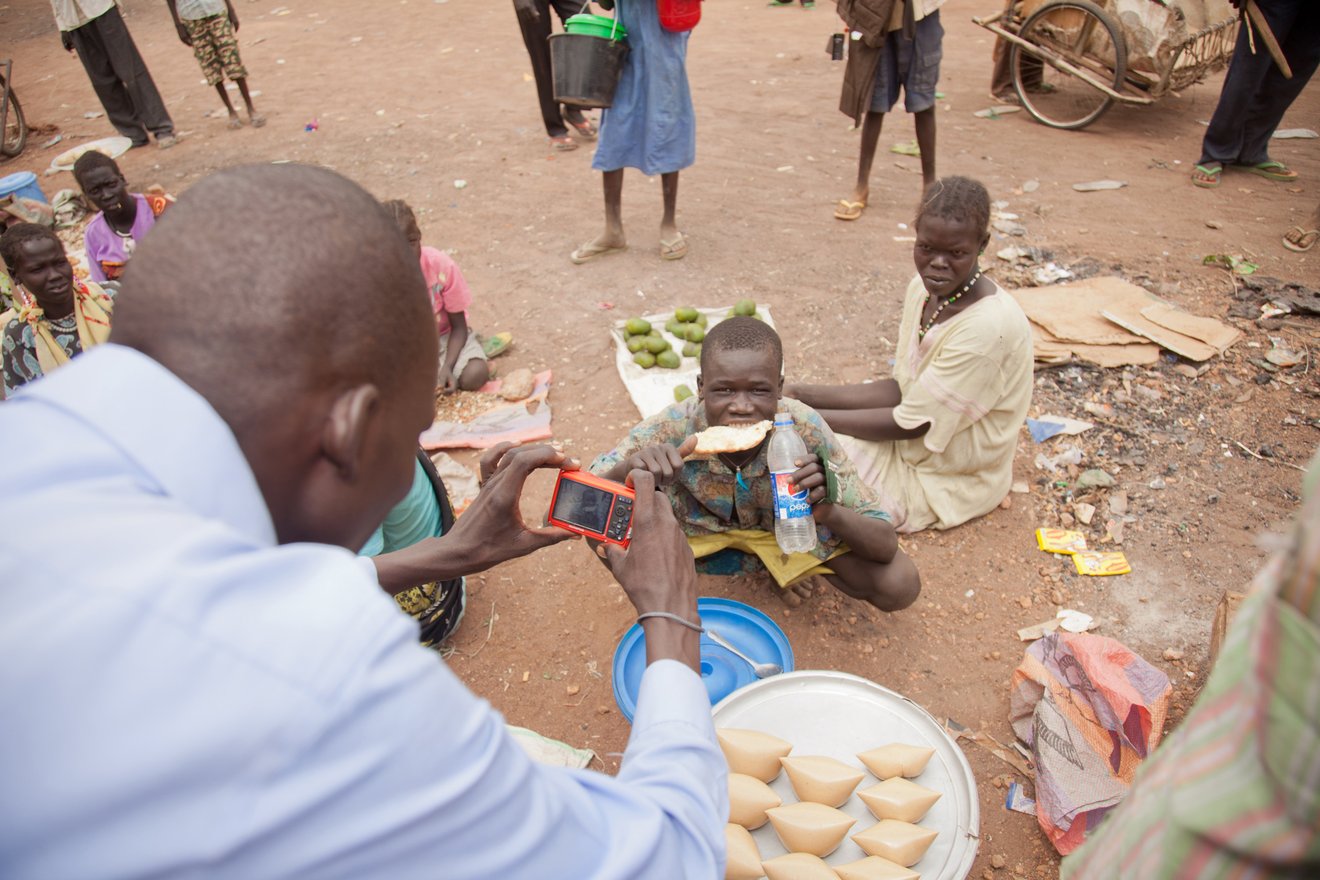
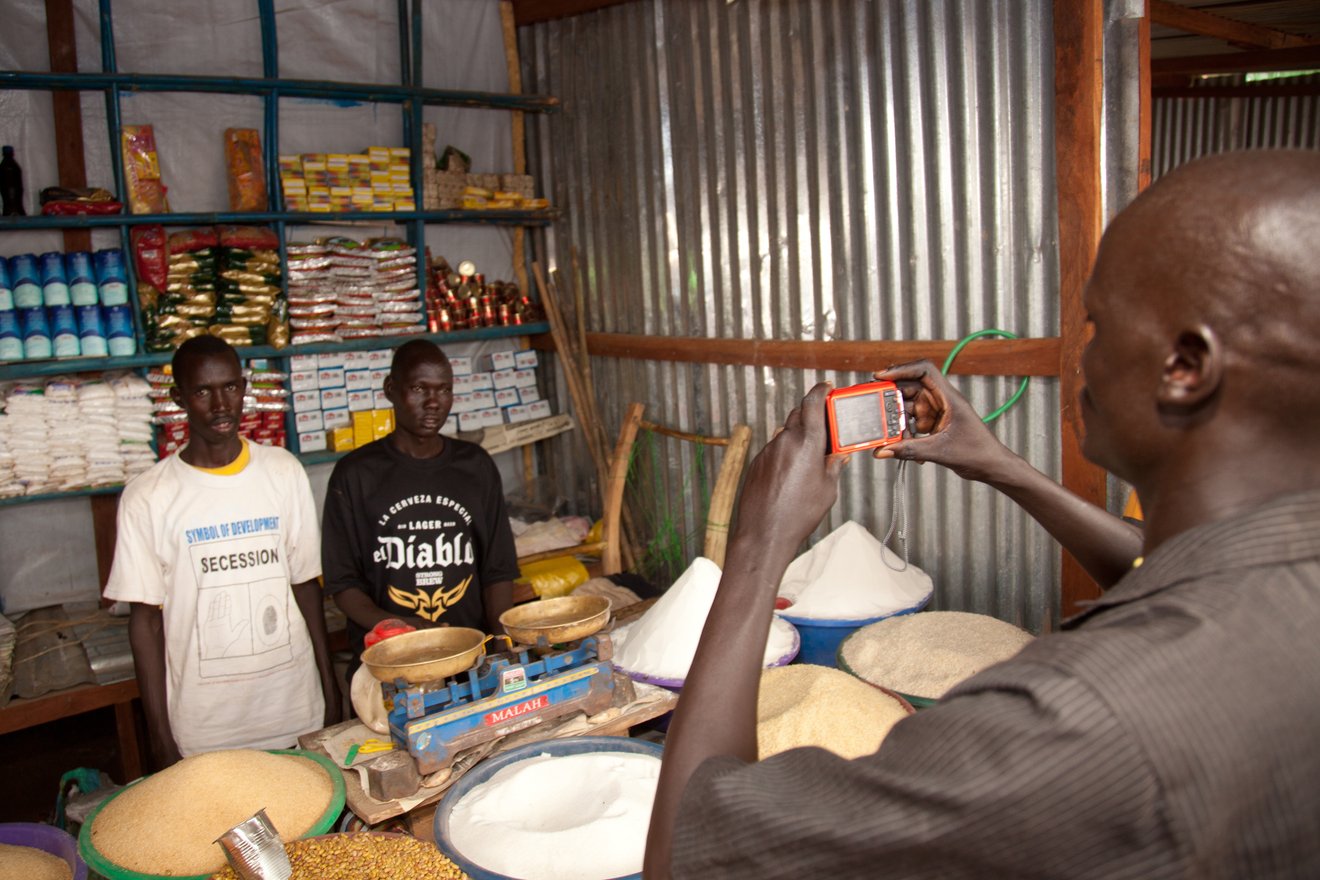
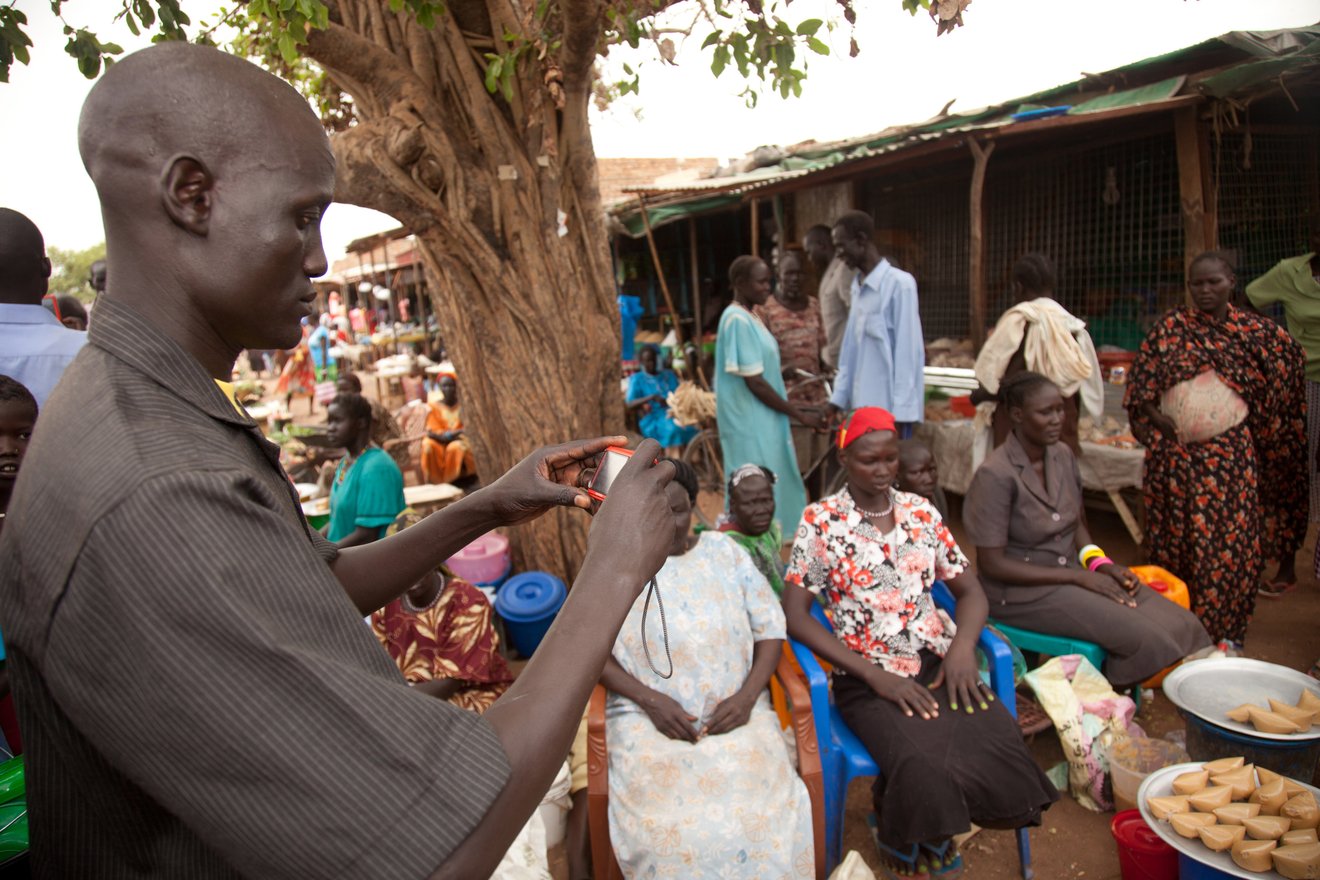
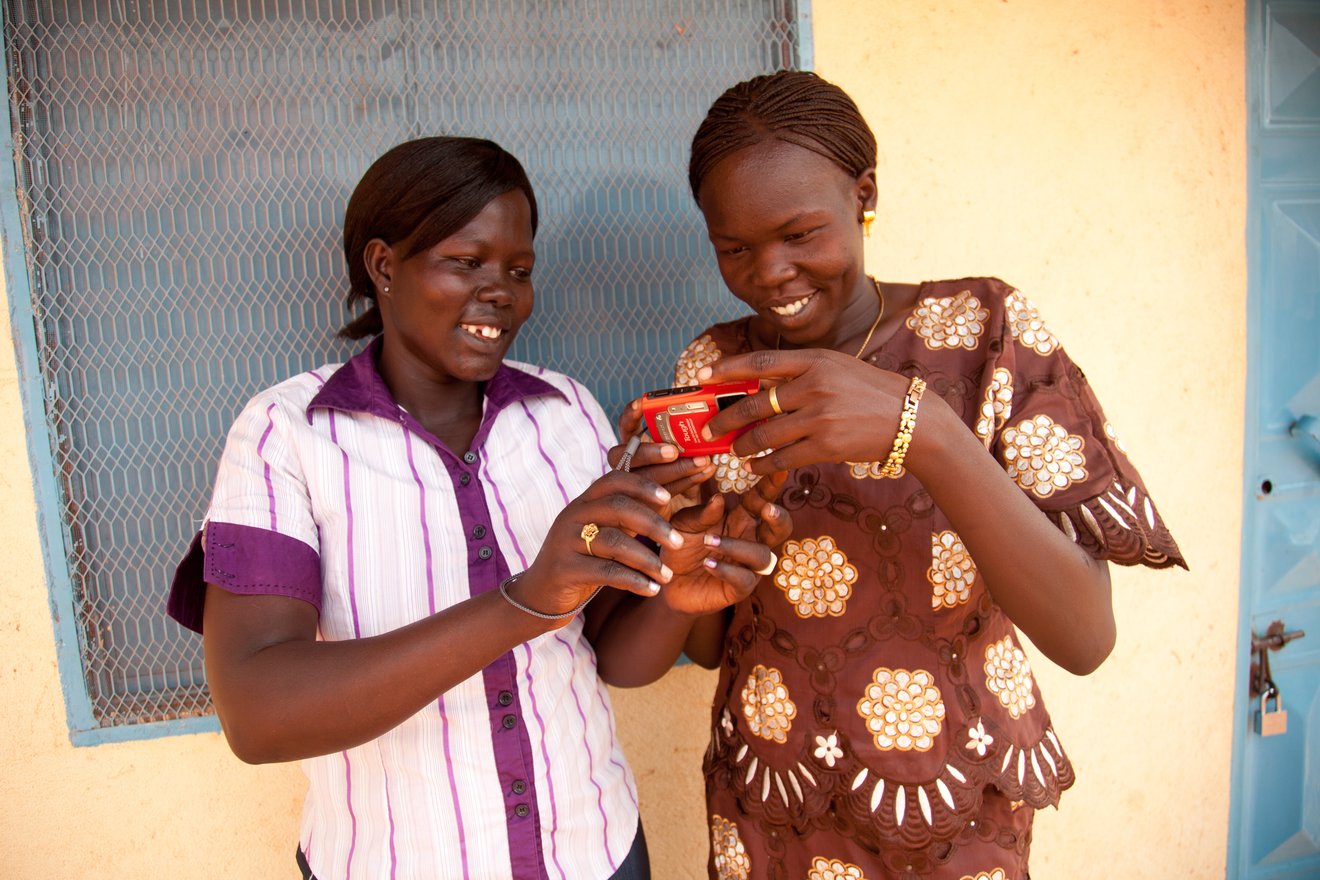
Kuajok, Warrap State, South Sudan. Saferworld Participatory Photography Project participant collecting images.
Copyrights: Tom Martin
Discovering a Different Approach
That experience led me towards participatory methodologies and, eventually, the work of Paulo Freire. His ideas around dialogue, critical consciousness and shared knowledge production helped me understand why that moment in South Sudan had felt so significant. Participatory approaches invite people not just to tell stories, but to analyse, interpret and shape understanding of their own realities.
Freire described this process as praxis — the coming together of reflection and action. Through dialogue, people begin to critically examine their own experiences, connect them to wider social and political structures, and identify opportunities for change. In this sense, participation is not simply about producing stories; it is about creating spaces where people can collectively reflect on their circumstances and act upon them.
Over the following years, together with my colleague Michelle Walsh and a range of incredible partners around the world, I began exploring what happens when communities play a meaningful role not only in creating stories, but in defining the issues, shaping the process and influencing the outcomes. What we found was that the most interesting part often wasn't the story itself, but the unexpected things happening around it.
Caution
Over the years, I have become convinced of the value of participatory approaches, but also wary of how easily they can be romanticised. Simply handing someone a camera does not automatically redistribute power. This led me to undertake an MA by Research using Participatory Action Research as a methodology to explore how participatory approaches operate within systems that require predefined objectives, donor accountability and measurable outcomes, often creating a tension between the promise of empowerment and the realities of how projects are funded and delivered. Participation is not a silver bullet, nor is it automatically transformative simply because it is participatory. It requires time, trust, careful facilitation and a genuine willingness to share decision-making. When done thoughtfully, however, participatory approaches can create powerful spaces for learning, reflection and change.
Beyond Storytelling
Community-Led Storytelling is often framed as a communications approach. Organisations need photographs, films and written stories to communicate their work. Those outputs do matter, but some of the most significant outcomes happen long before a photograph is published or a film is screened.
For decades, many forms of monitoring and evaluation have relied on data extracted from communities. Questions are designed elsewhere. Indicators are chosen elsewhere. Findings are interpreted elsewhere.
Participatory approaches offer a different possibility, they enable people to define what matters from their own perspective. Through images, films, discussion and reflection, participants identify issues, priorities and outcomes that external evaluators may never have considered.
In this sense, Community-Led Storytelling does not simply communicate impact. It helps reveal what impact actually looks like and, in some cases, the participatory process itself becomes part of the impact. Communities do not just hold stories, they possess forms of knowledge that organisations, researchers and policymakers often lack. They understand local realities, local challenges and often local solutions better than anyone else.
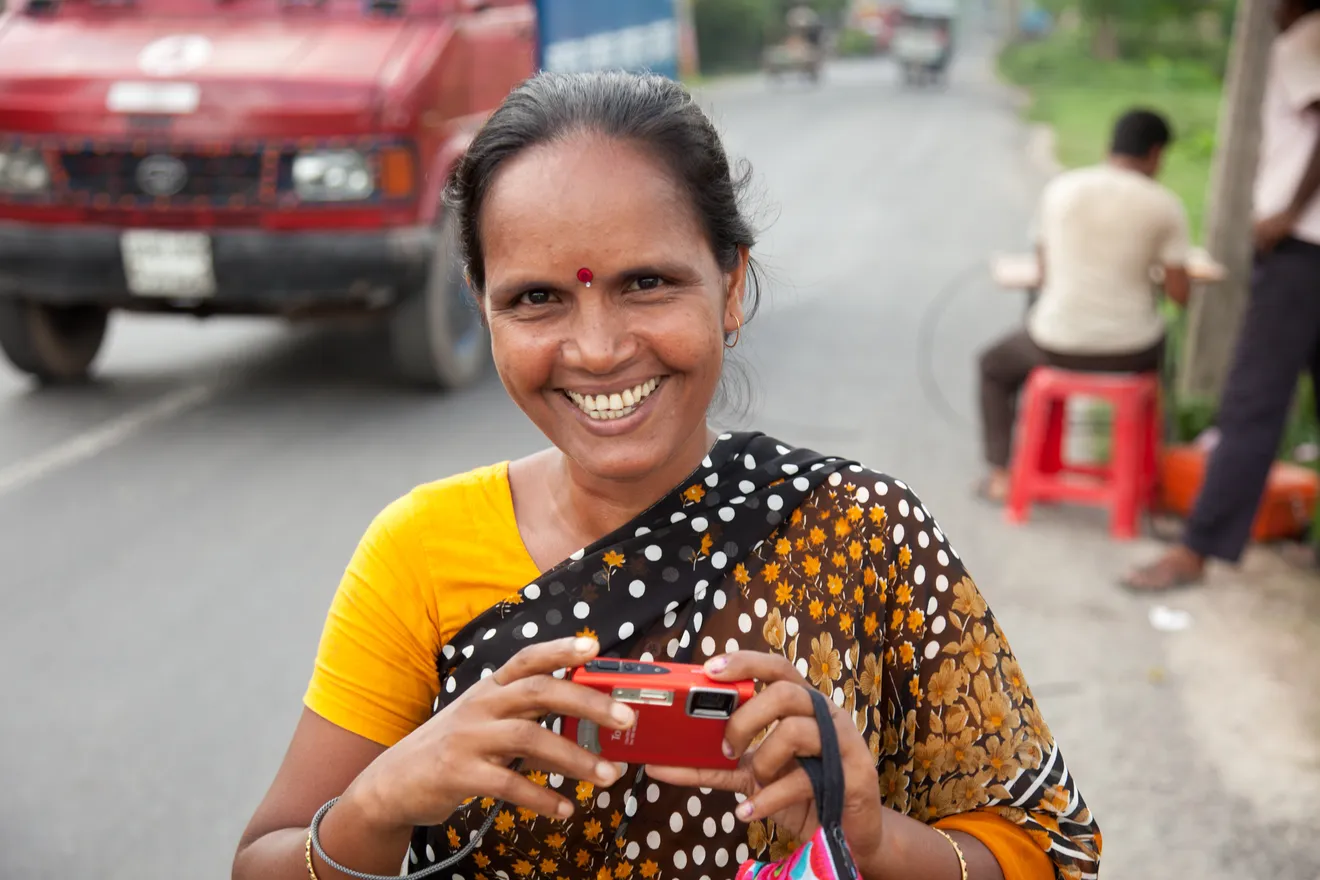
Project Participant Proshanta Biswas, Bangaldesh, Saferworld Community Security Project
Copyright: Tom Martin
Stories as a Tool for Learning
One of the most powerful aspects of participatory practice is that the process itself becomes a space for reflection.
A good example is Visualising Peace, a youth participatory filmmaking project we developed in Rwanda through the wider Mobile Arts for Peace (MAP) programme – a multi-country arts and peacebuilding initiative funded through the UK's Arts and Humanities Research Council. The project was delivered in partnership with the University of Lincoln, the Kwetu Film Institute and Uyisenga Ni Imanzi, bringing together young people, filmmakers, psychologists and educators to explore youth mental health through filmmaking.
The project built on eleven youth-led mental health policy briefs that had already been developed through MAP. Together, young people and film students transformed these into three films exploring mental health in the home, mental health in education and the experiences of street-connected young people.
The filmmaking process involved storytelling workshops, drawing, poetry, discussion and collaborative production. Importantly, it also created opportunities for young people to reflect on their own experiences and learn from one another.
One participant reflected:
I started to have hope for life and became joyful person with happier life.
Participant of Visualising Peace Project in Rwanda
Another described becoming:
"Free to express his/her thoughts and feelings."
A third participant wrote:
"In my future I want to be a psychotherapist who help to heal heart wounds. I will use knowledge I got from MAP to change lives of people in my community."
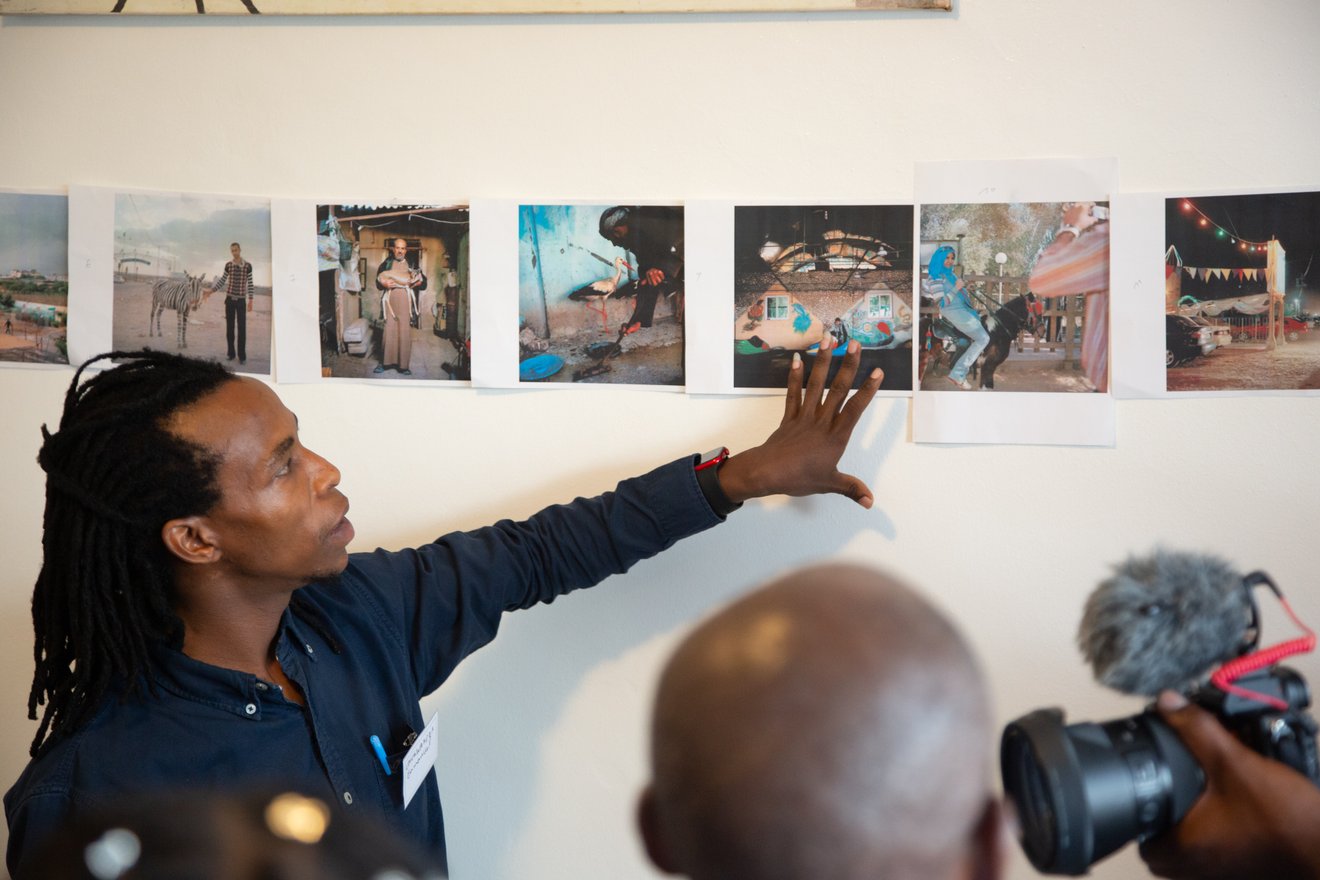
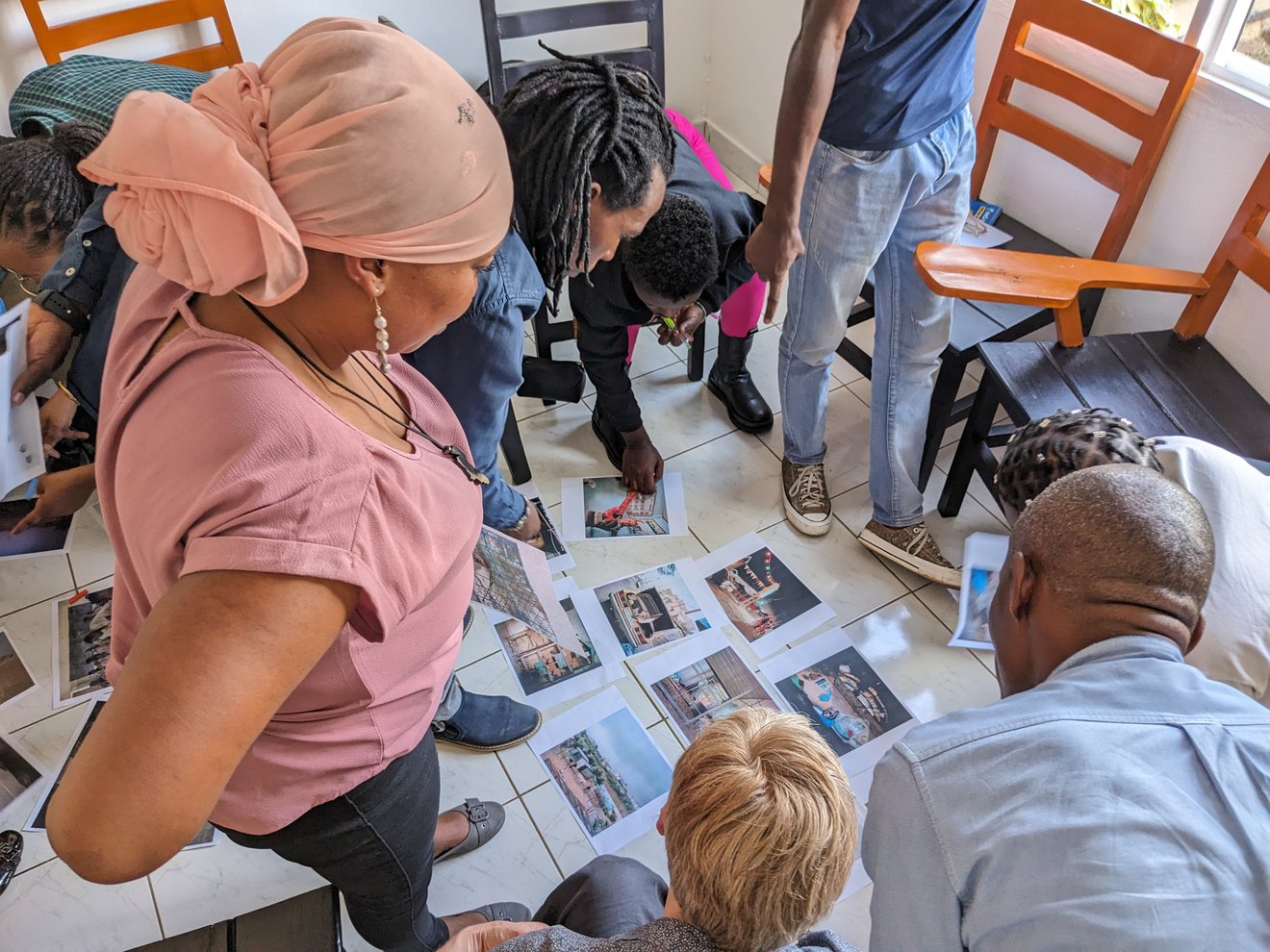
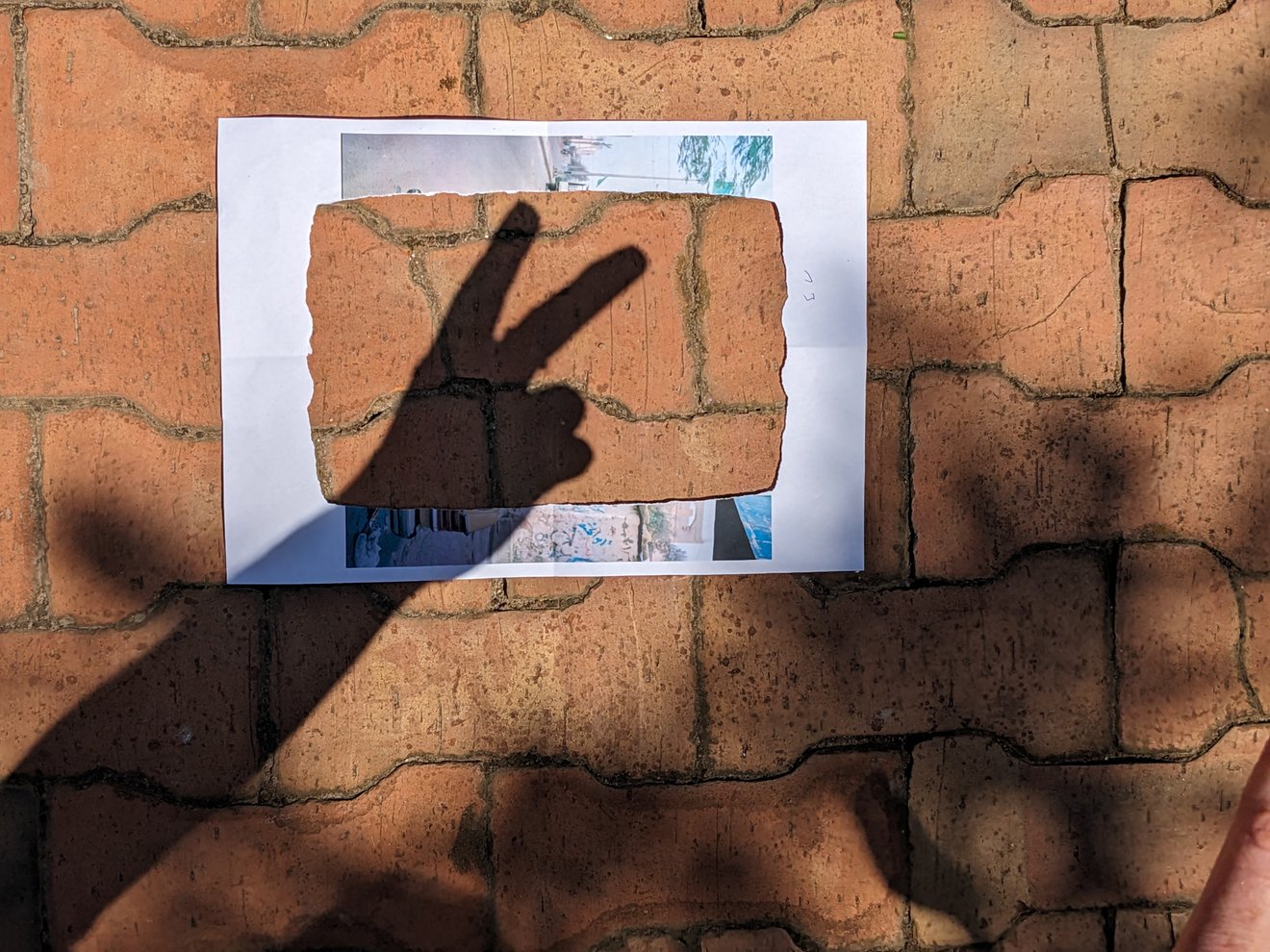
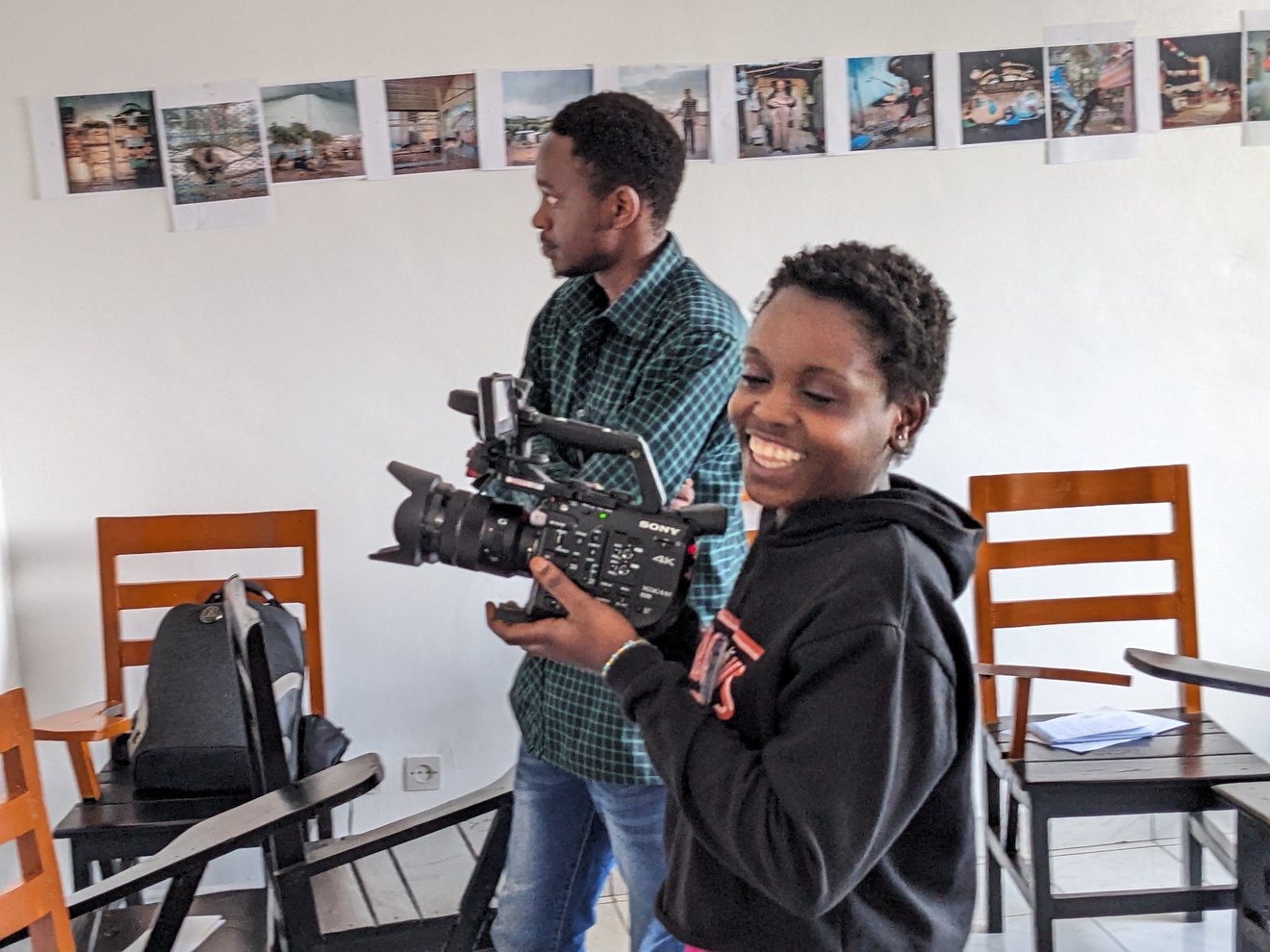
Visualising Peace, Participatory video project workshops – part of the wider Mobile Arts for Peace project.
Copyrights: Tom Martin
Using arts-based Monitoring, Evaluation and Learning tools, participants documented changes in confidence, self-esteem, belonging, hope and aspiration. Something that fascinated me was that many of these outcomes would have been difficult to capture through traditional evaluation methods alone.
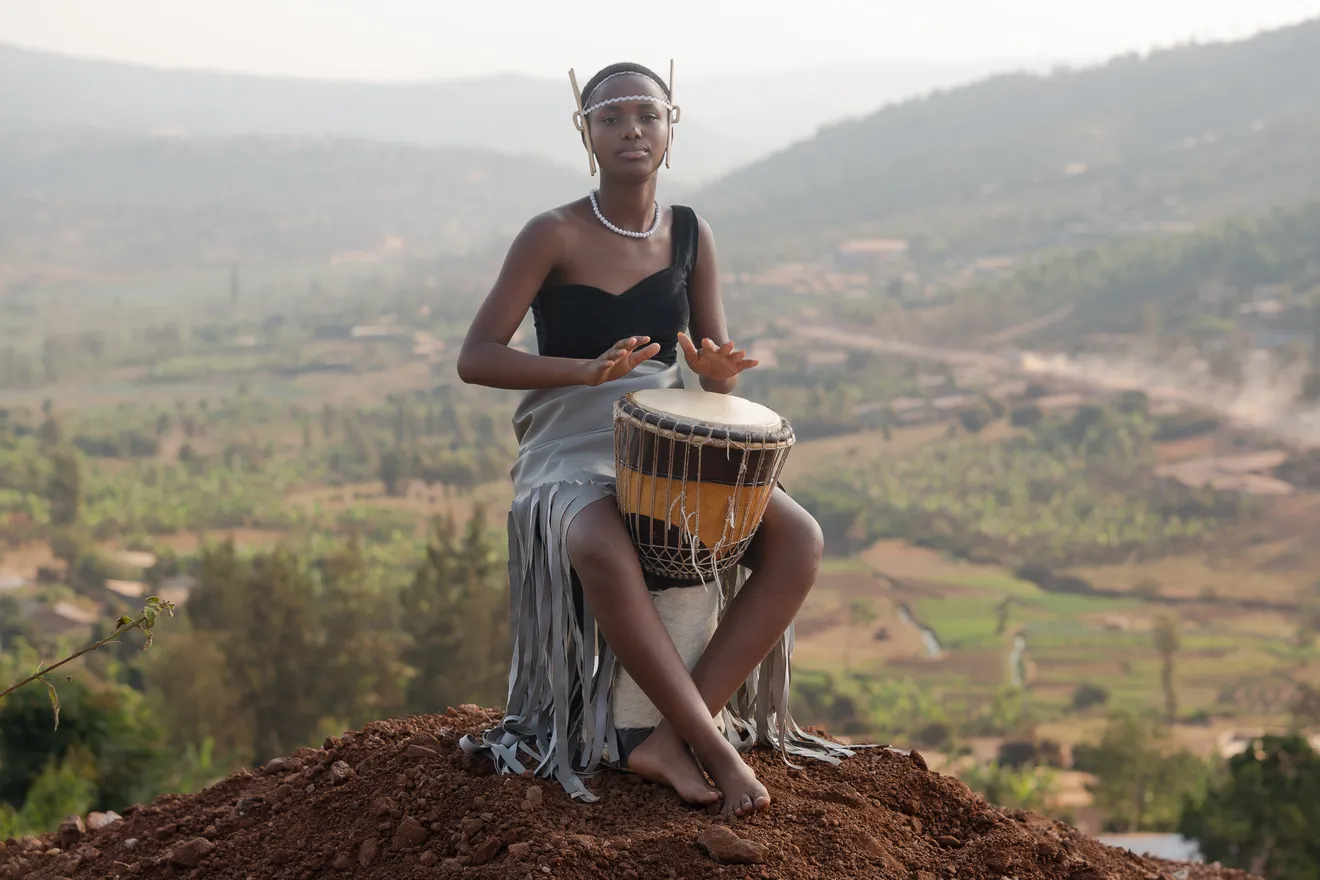
Video production still from Visualising Peace project.
Stories as a Tool for Policy Change
Participatory methods are sometimes dismissed as anecdotal. Yet some of the most significant impacts I have witnessed have occurred when participant-generated stories enter spaces traditionally dominated by reports, statistics and expert opinion.
Following the production of the Visualising Peace films, we organised screenings, panel discussions and a youth-led symposium attended by policymakers, mental health professionals, academics and civil society organisations. Rather than speaking on behalf of the young people involved, the project created opportunities for them to speak directly to decision-makers.
There were some encouraging results:
The head of mental health at the Rwanda Biomedical Centre stated that the project demonstrated participatory arts-based approaches were "the most effective way of engaging with young people around mental health."
The National Child Development Agency described the co-production of films with young people as "a good approach that needs to be supported."
The Rwanda Women's Network committed to using the films in community settings, while other organisations identified the approach as a valuable way of opening conversations between young people and parents.
What made these discussions powerful was that policymakers were no longer responding solely to statistics, they were responding to lived experience. It seemed that the films created a bridge between evidence and empathy, enabling policymakers to engage not only with data, but with lived experience.
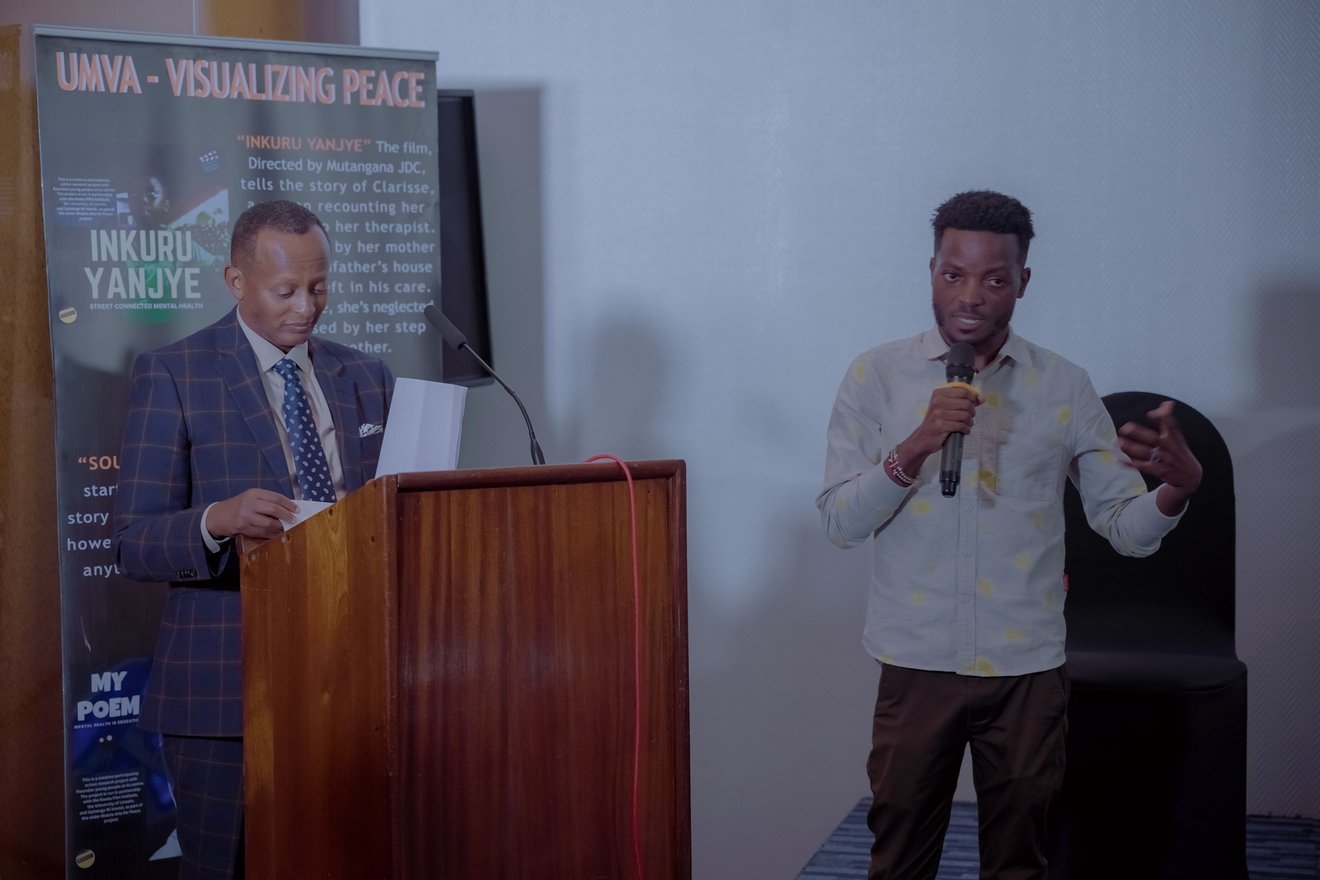
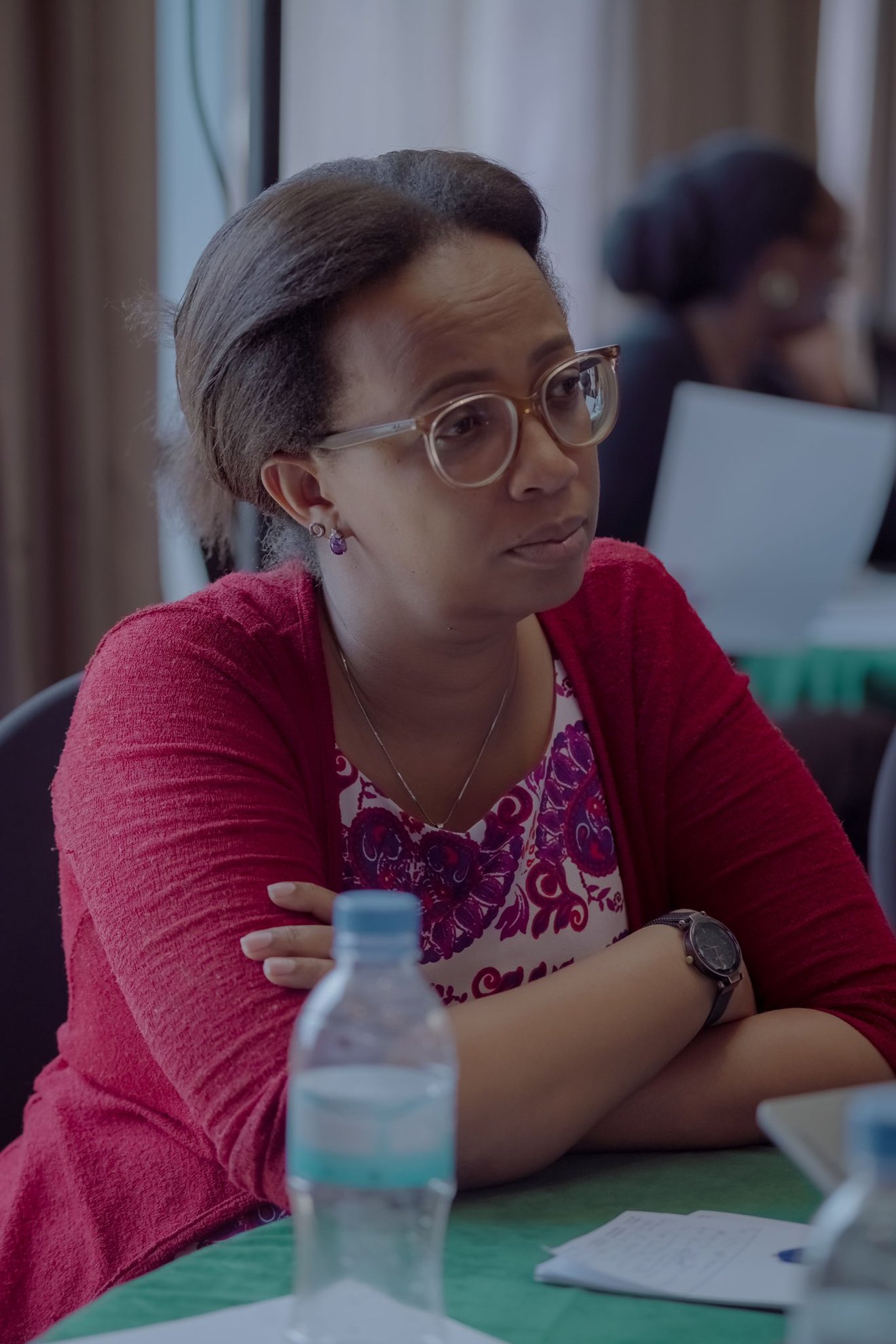
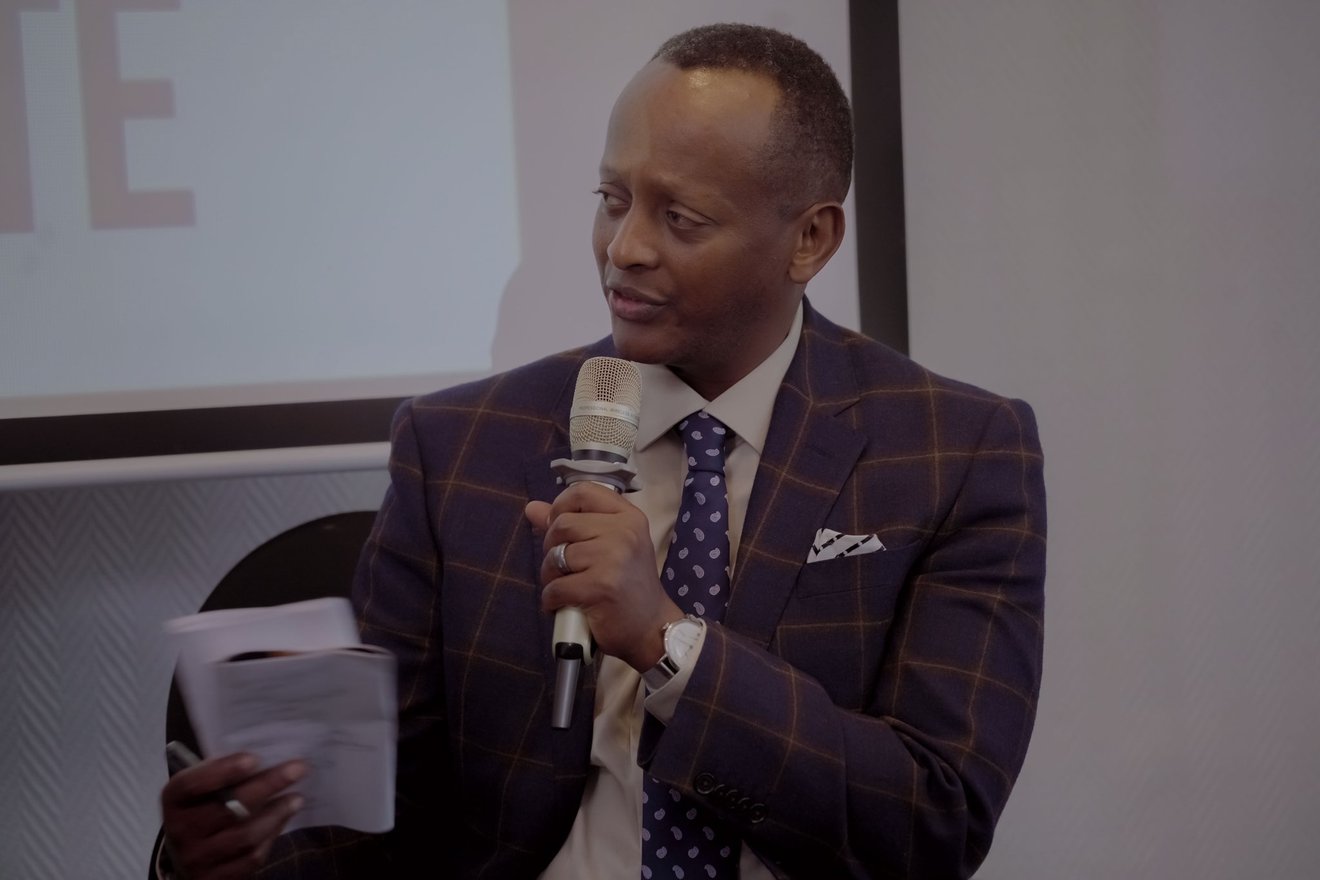
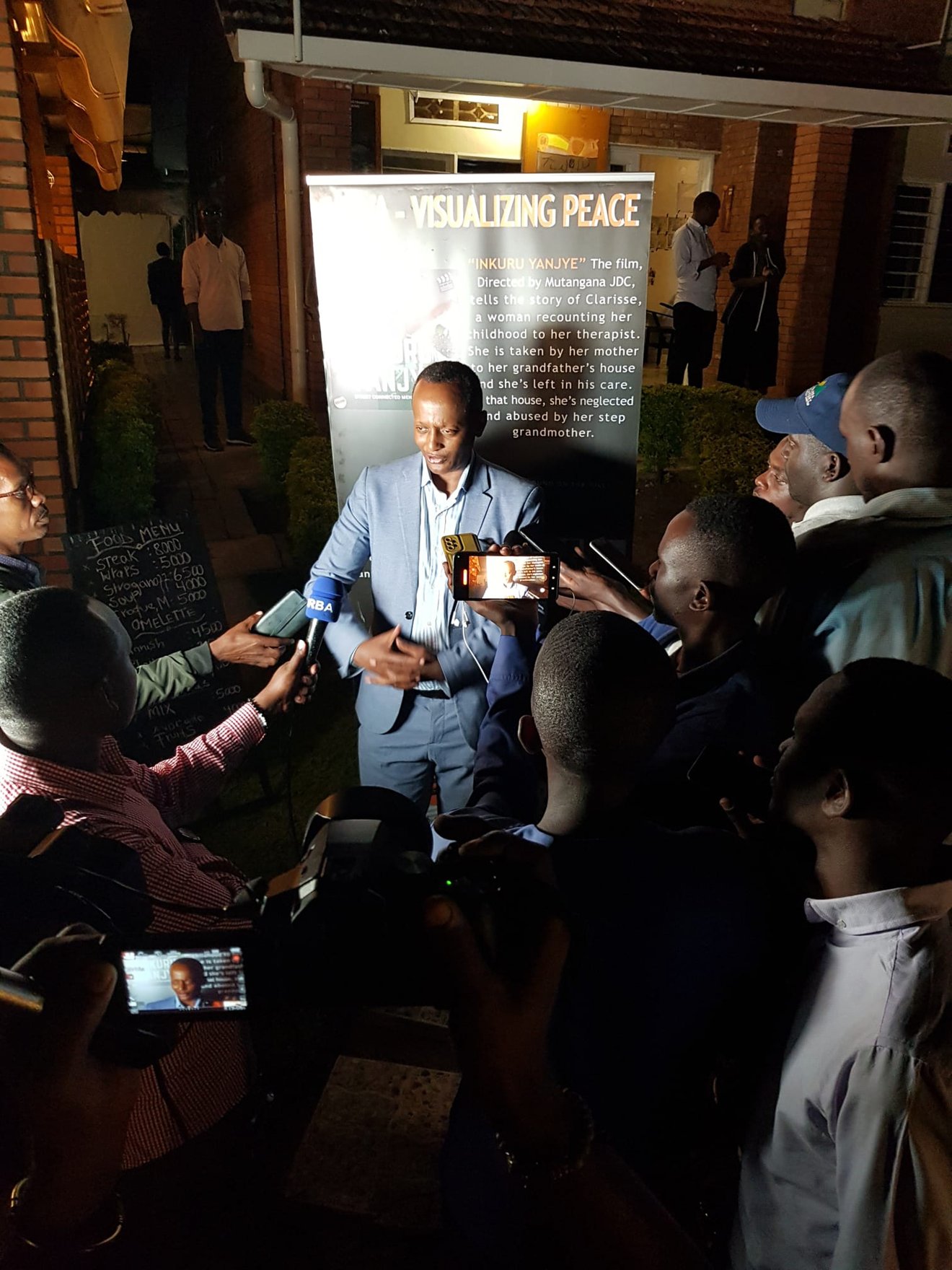
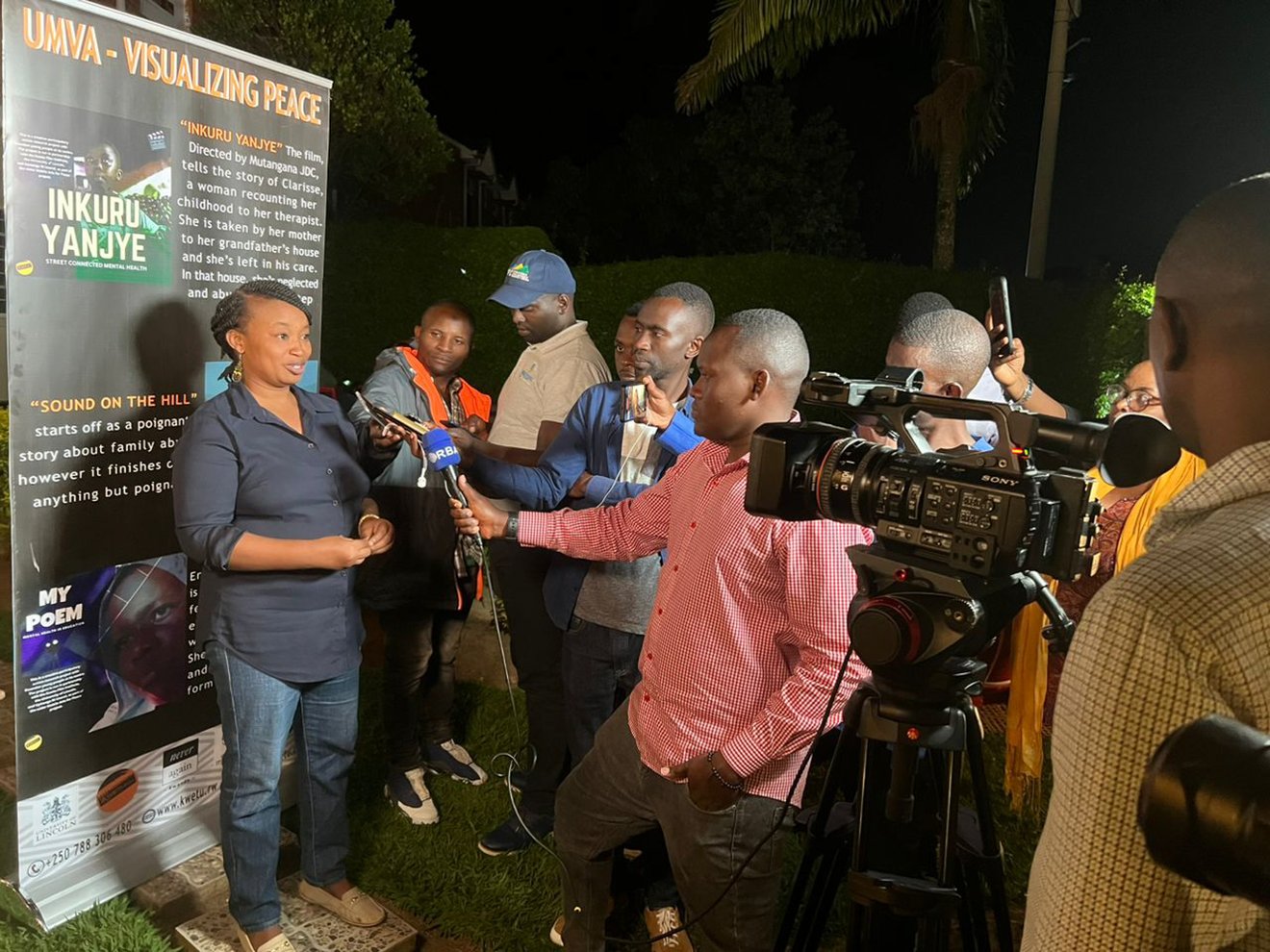
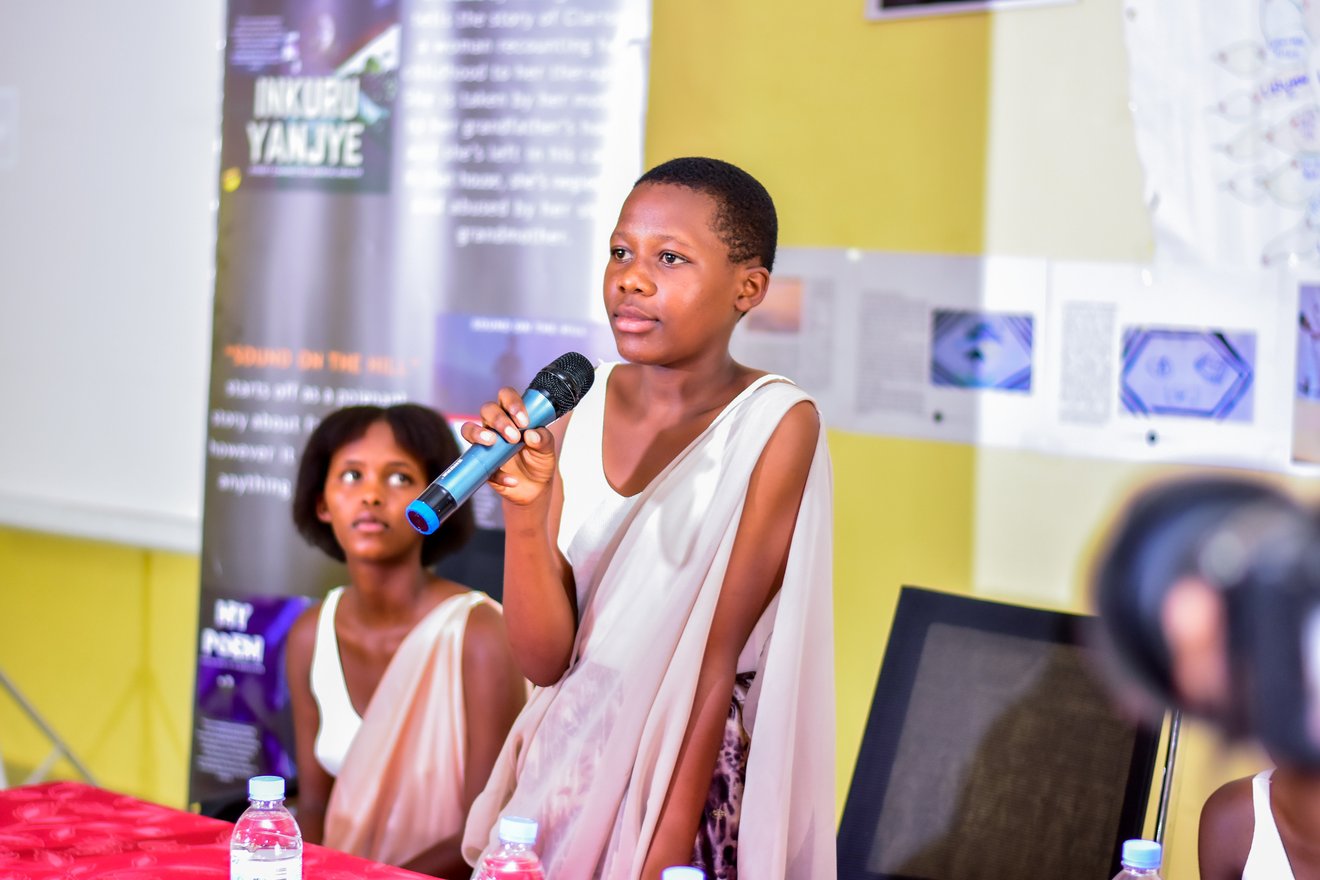
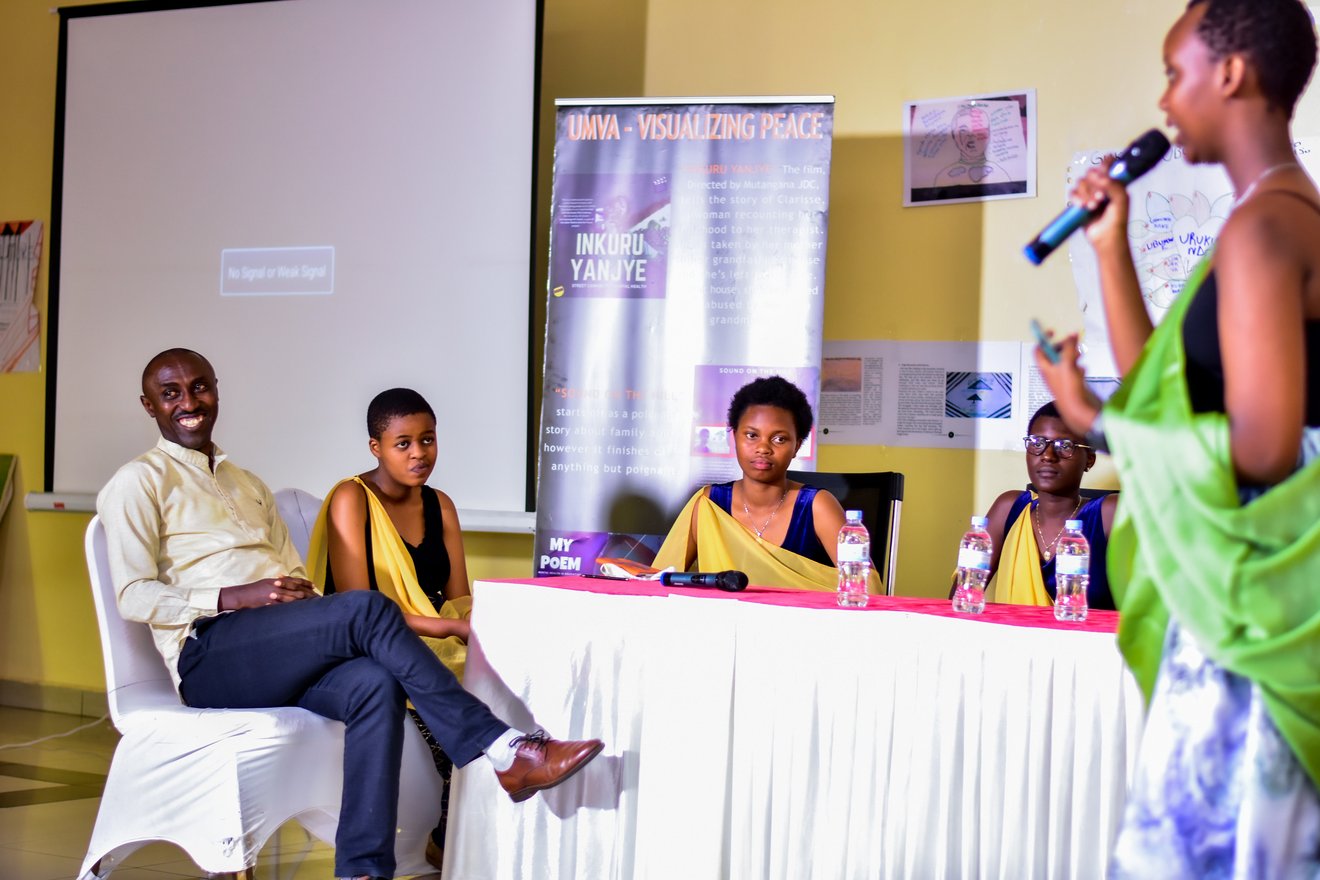
Visualizing Peace Policy events in Kigali.
Copyright: Kwetu Film Institute
Stories as Collective Knowledge
A similar lesson emerged in Morocco through Seeing Change, a participatory action research project delivered with Indigenous Amazigh women in partnership with colleagues from the University of Lincoln, The Open University, Hassan II University, local NGO ECEP, and funded through the Emerald Publishing Real Impact Interdisciplinary Research Fund.
Rather than beginning with externally defined research questions, participants chose the focus themselves. Unanimously, they decided to document the impact of climate change on their lives, particularly the devastating consequences of drought, desertification and recurring wildfires.
Through photography and storytelling, the women documented their experiences and proposed their own solution: the revival of a local women's cooperative to strengthen economic resilience and community sustainability. Rather than simply identifying problems, the process created space for participants to collectively articulate their own response and advocate for a locally grounded strategy for resilience. Again, the significance was not simply the images produced but the process enabled knowledge, insight and solutions to emerge from within the community itself.
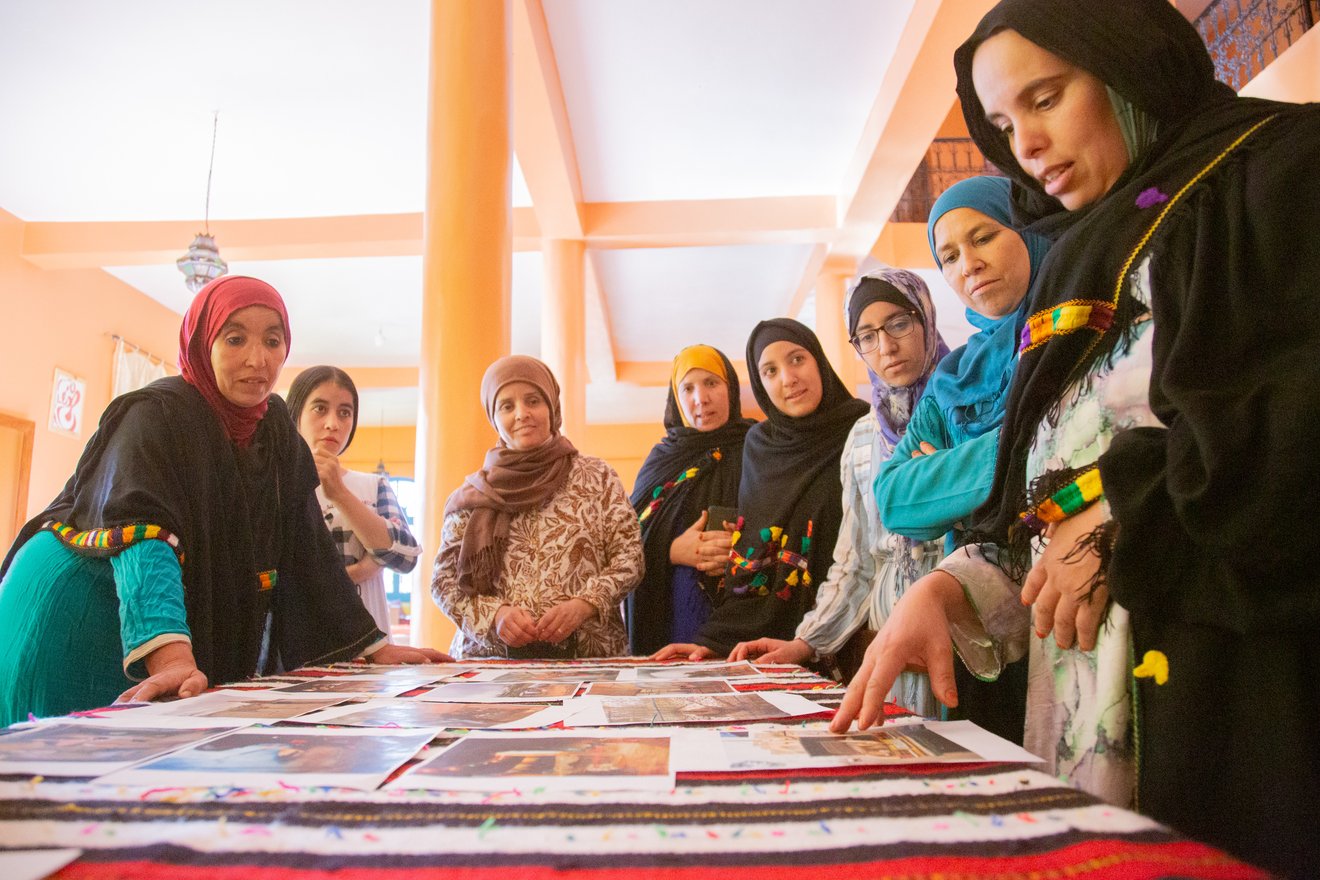
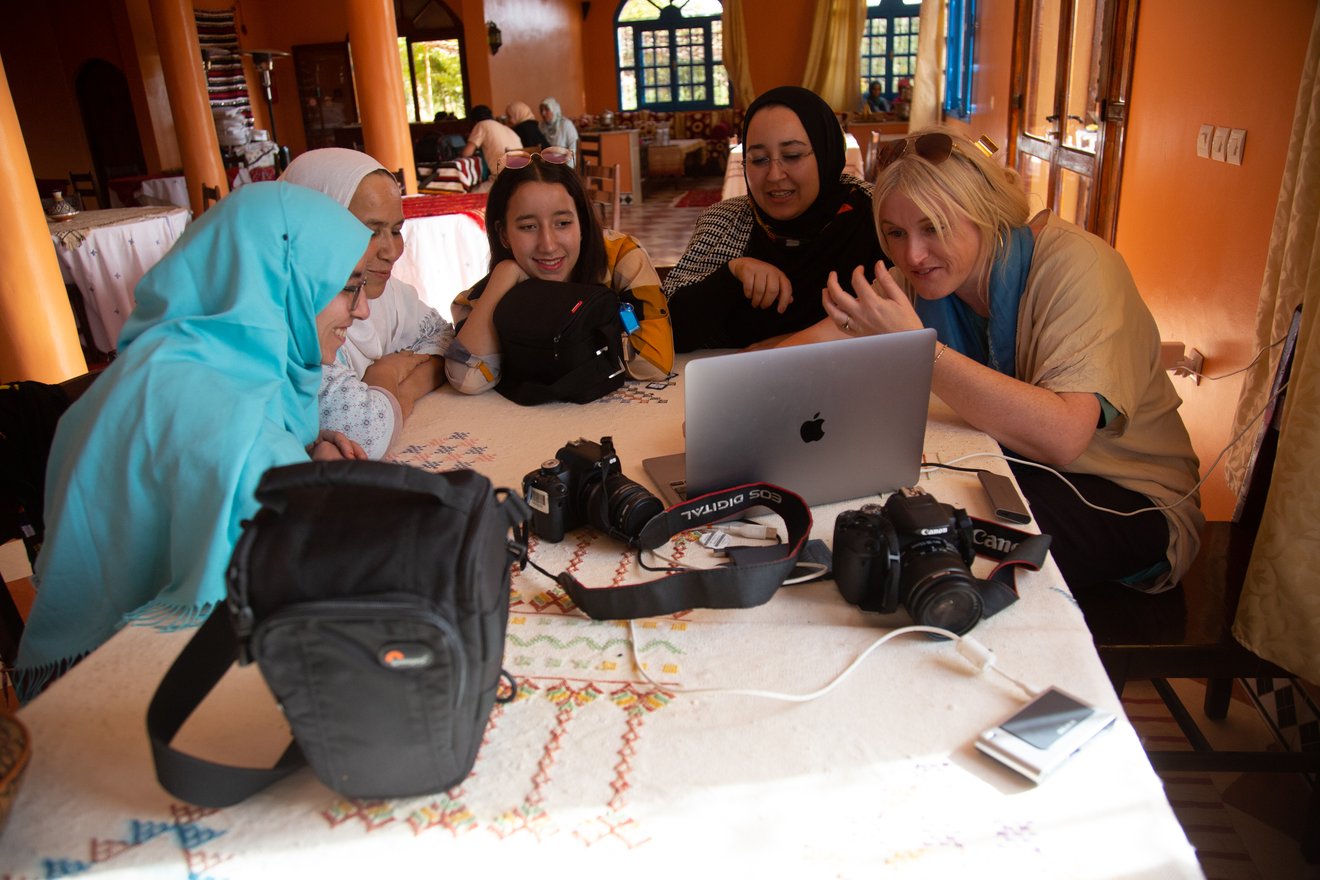
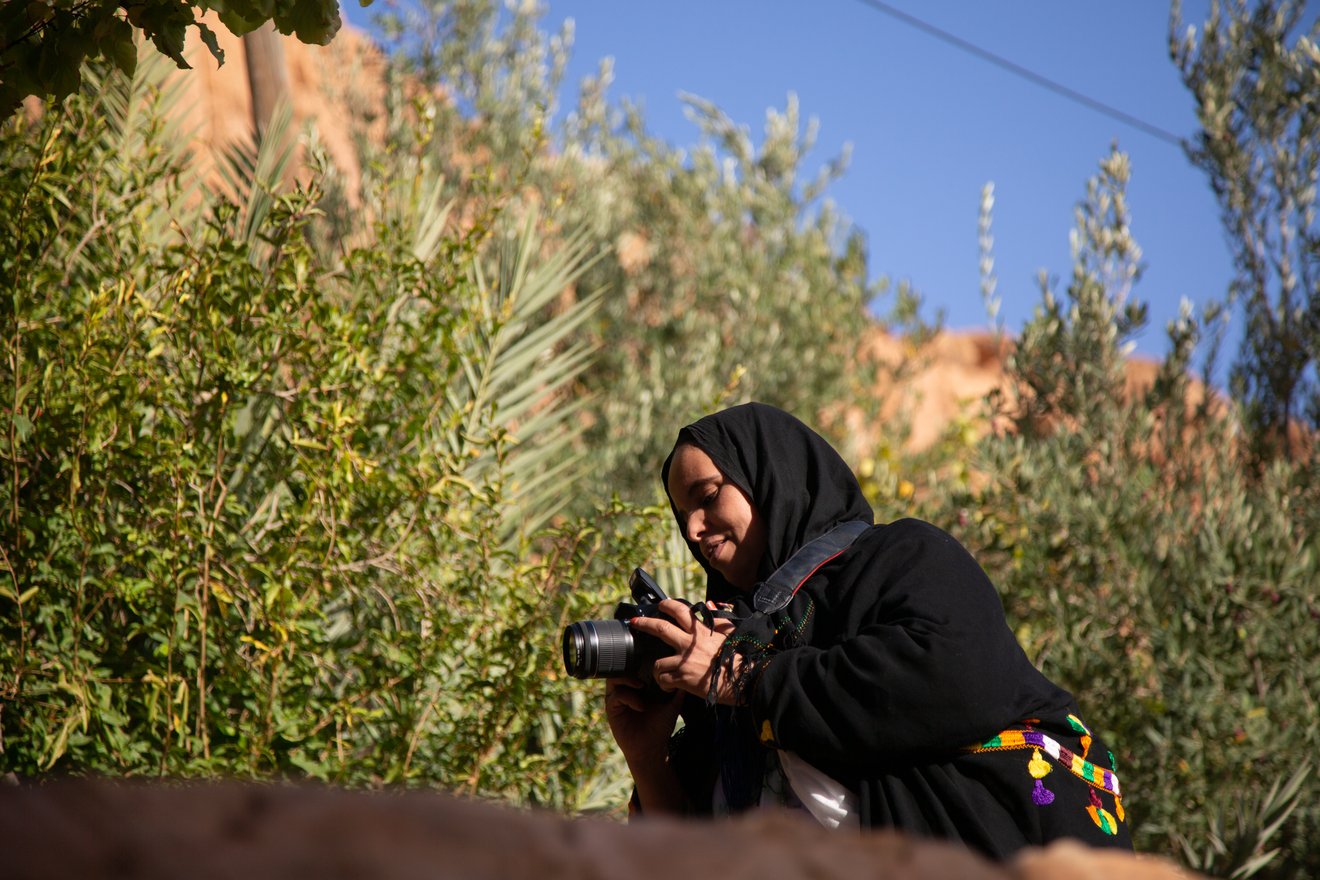
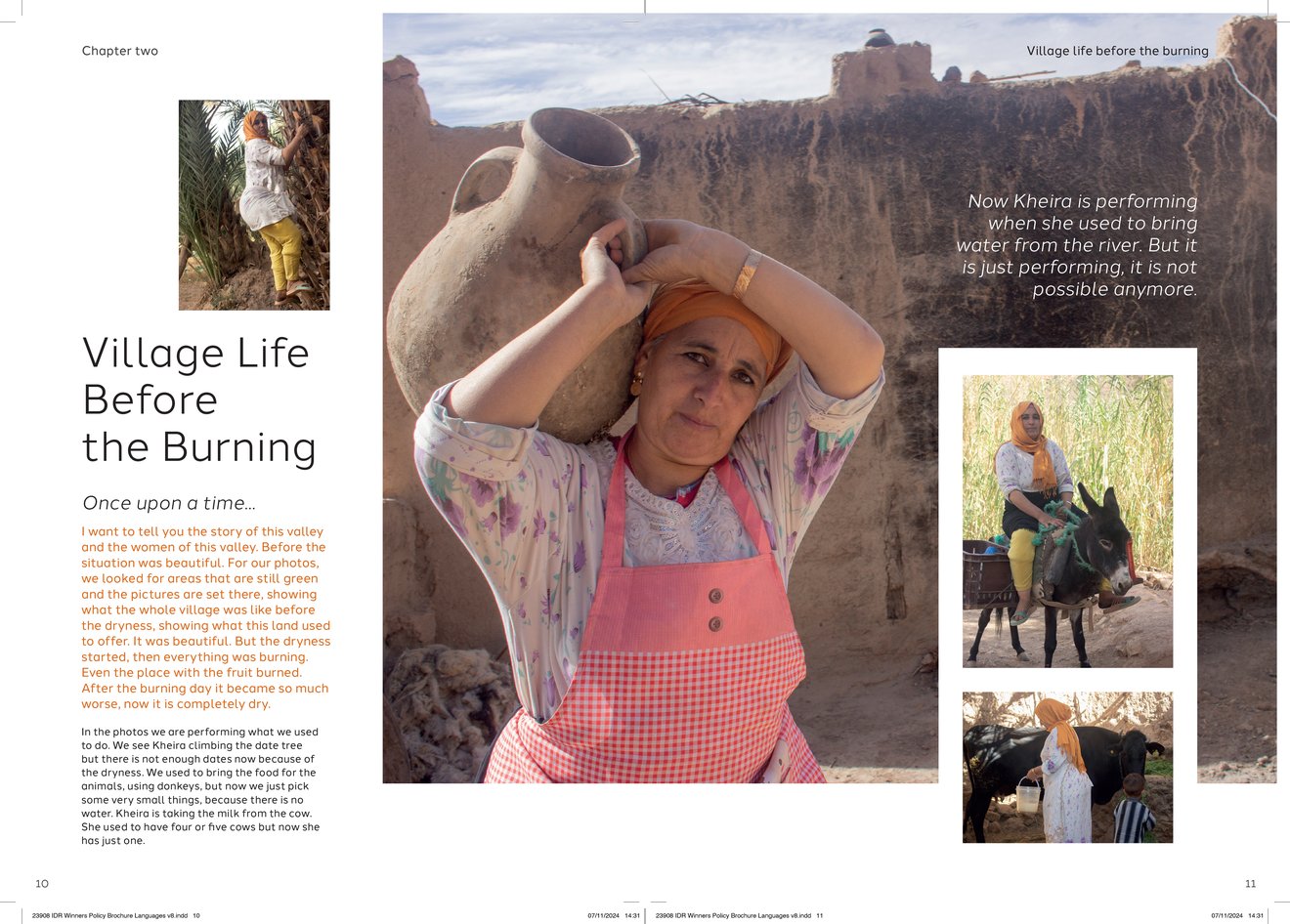
Seeing Change Policy Book
What Happens After We Step Aside?
This brings me back to Daniel's challenge. Stepping aside is important because it shifts ownership of the narrative. But what interests me most is what becomes possible once that shift has taken place. In my experience, stepping aside is not the end of the process, it is only the beginning.
Although I still believe that traditional visual storytelling sometimes has its place – that an external point of view can highlight issues, challenge audiences and encourage action – It’s clear to me that when communities own the storytelling process, stories become something more than communications assets. They become tools for inquiry. Tools for reflection. Tools for evaluation. Tools for advocacy. And sometimes tools for policy change.
Most importantly, they create opportunities for people to see themselves differently: not as beneficiaries, subjects or case studies, but as knowledge holders and active participants in shaping the future.
I began my career believing that the challenge was how to tell other people's stories more ethically. What I eventually learned was that the most powerful role I could play was not telling those stories myself. It was helping to create the conditions for people to tell their own – and ensuring that those stories are heard, valued and acted upon.
Latest blog posts
Our community's inspiring voices
July 2026 - Tom Martin
Beyond Representation: From Storytelling to Social Change
A prize-winning photo, but an uneasy feeling underneath it. Tom Martin on how that contradiction turned him from photographer into co-creator of Community-Led Storytelling – and how communities from Rwanda to Morocco have used their own stories to shape policy.
Learn more about Beyond Representation: From Storytelling to Social Change
May 2026 - Daniel Caspari
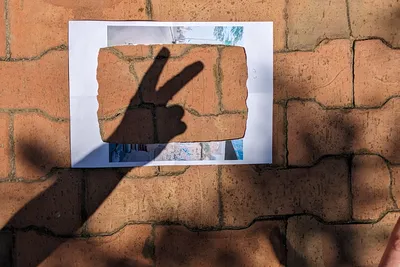
Step Aside.
Local creators were just the first step. Now Fairpicture is going further – with a new approach that puts narrative ownership where it belongs: with the people who lived the story.
Learn more about Step Aside.
November 2025 - Prof. Dr. Peter G. Kirchschlaeger
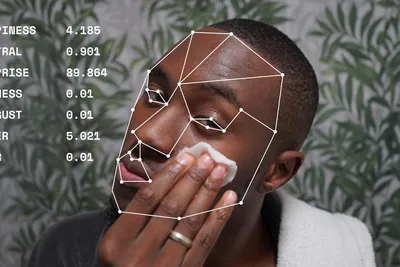
Ethical Pictures in the Age of AI – An Opinion Piece
This article explores what truly makes a picture “ethical” in the age of AI-generated imagery, arguing for human-made, consent-based visuals that respect truth, dignity and autonomy.
Learn more about Ethical Pictures in the Age of AI – An Opinion Piece