
Thirty Years in a New Light
Case Study: Leopold Bachmann Foundation

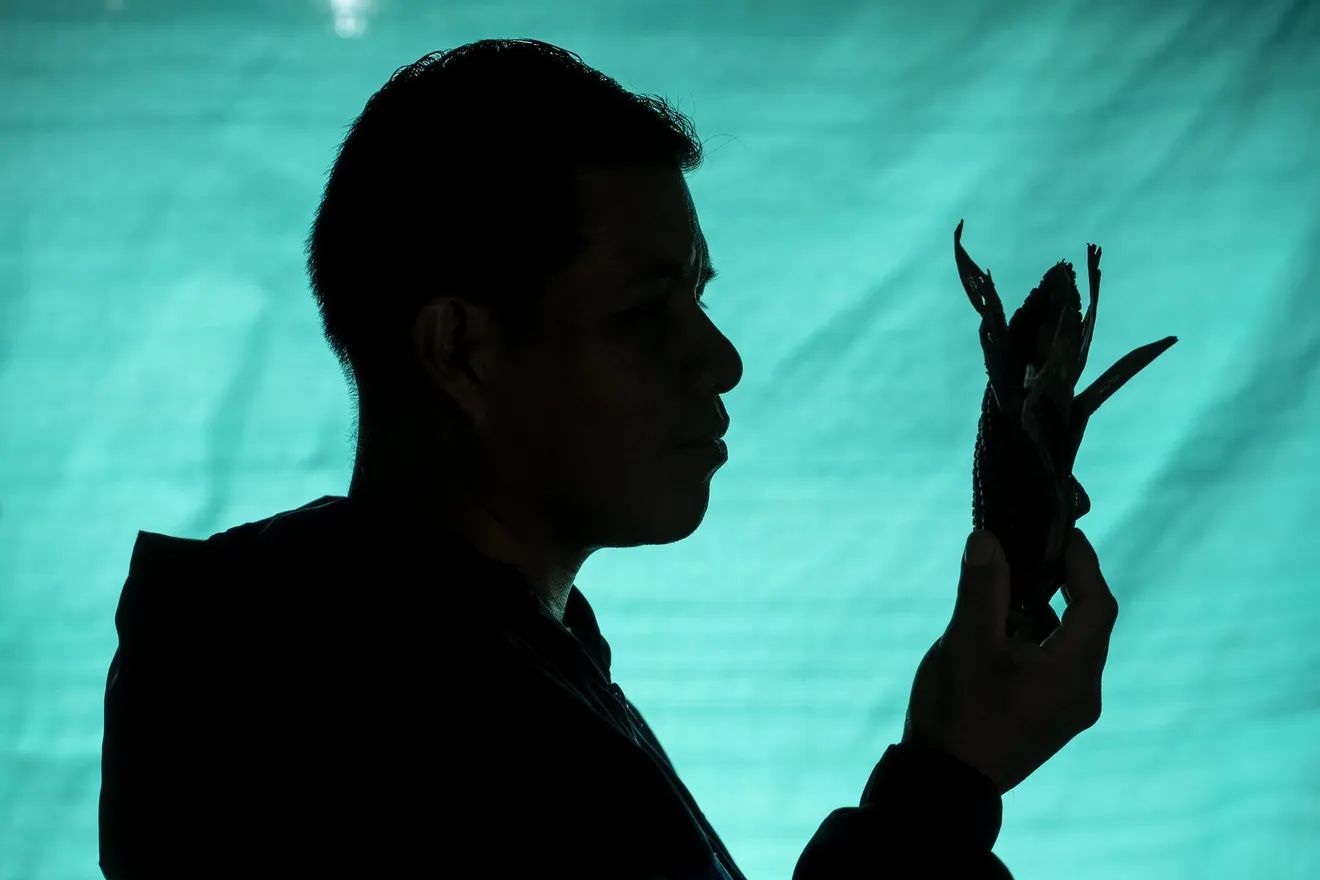
Seed Protectors from Cauca, holds a corn cob at the House of Seeds in Caldono, Cauca department, Colombia, on May 11, 2026. Credit: Jaír Coll/Leopold Bachmann Foundation/Fairpicture
Brief
It started the way we like it: in February 2026, the Leopold Bachmann Foundation got in touch with a very practical question. The foundation was heading into its 30th year and preparing a full visual rebrand. They were looking for striking new photography that was ethical, respectful, and conveyed both the foundation’s identity and the work it does around the globe. Did every country mean a separate photo shoot with its own price tag? Or could several productions across several countries be commissioned as one package – same brief, same look, one point of contact?
That is a fair question, and it is usually where multi-country visual budgets quietly fall apart. Our answer was to run the productions as parallel projects on one platform: one shared creative brief and moodboard, one account manager, four local photographers each working two days on site plus one day of post-production, and travel handled locally.
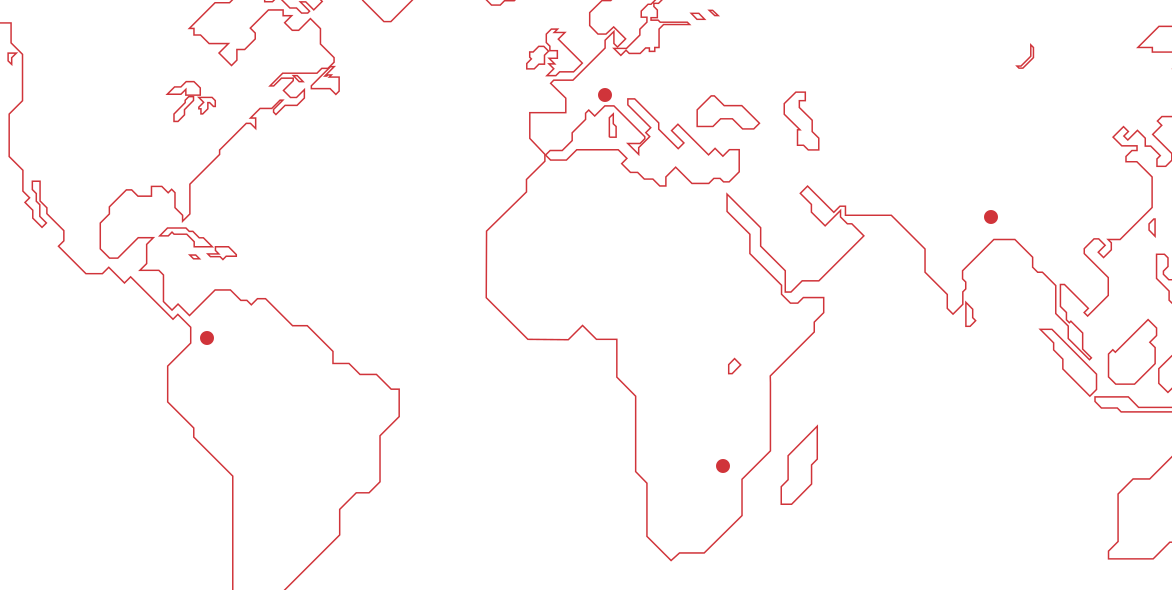
In May 2026, photographers in Zimbabwe, Colombia, India and Switzerland produced the imagery for the foundation's new website and brand identity – up to 80 edited photographs per country.
Client
Leopold Bachmann Foundation
Visual Creators
Jaír F. Coll (Colombia), Tendai Marima (Zimbabwe), Avijit Ghosh (India), Marion Bernet (Switzerland)
Theme
Visual identity for a foundation's 30th year – education, agroecology, community
Locations
Valle del Cauca and Cauca (Colombia), Chitungwiza (Zimbabwe), Hatighisa (India), Alp Peil, Vals (Switzerland)
Date
May 2026
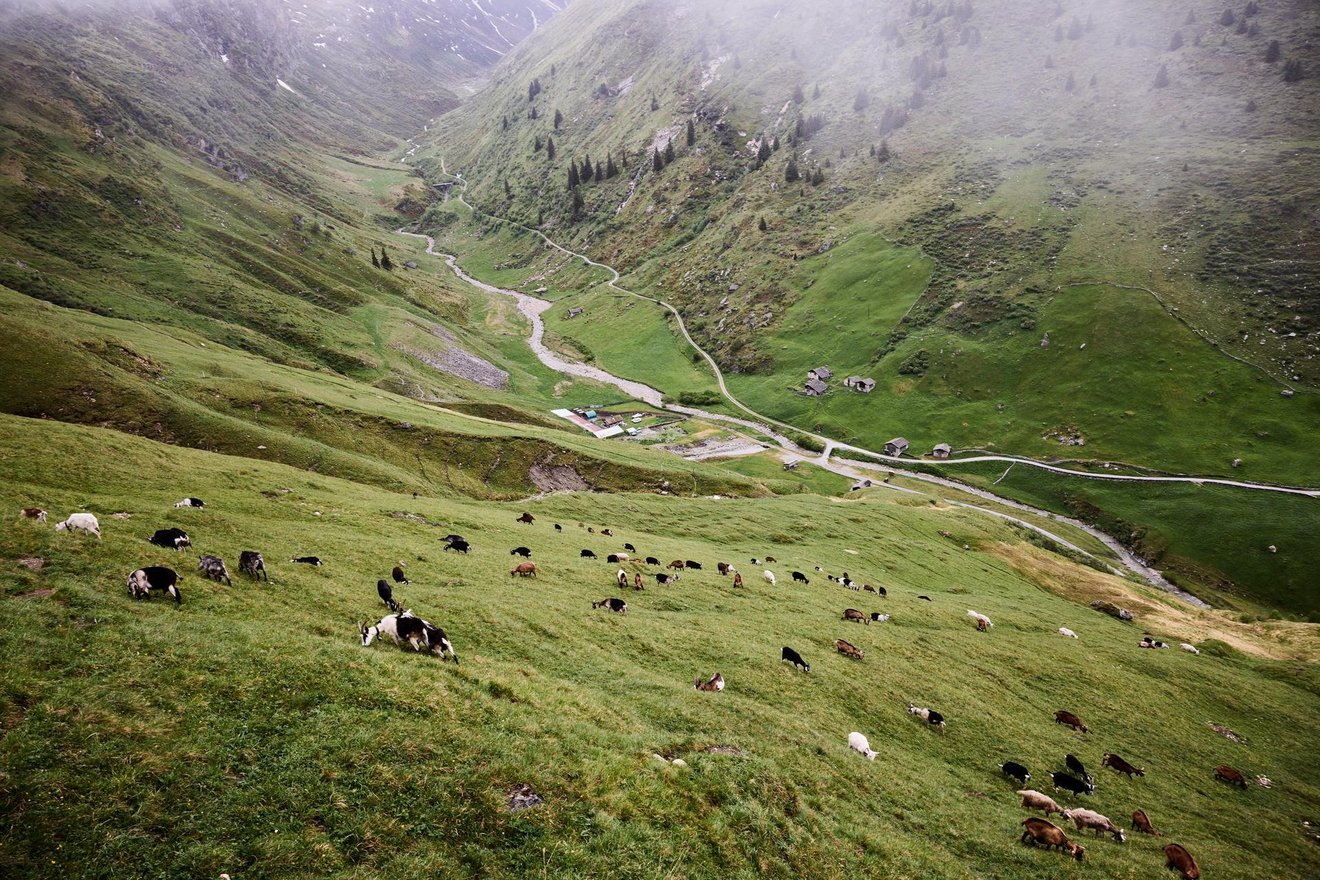
Landscape around Alp Peil in the Valsertal (Switzerland), where FiBL (Research Institute for Organic Farming) and its partners develop practical methods for holding back invasive shrubs on alpine grazing land. | Credit: Marion Bernet / Leopold Bachmann Stiftung / Fairpicture
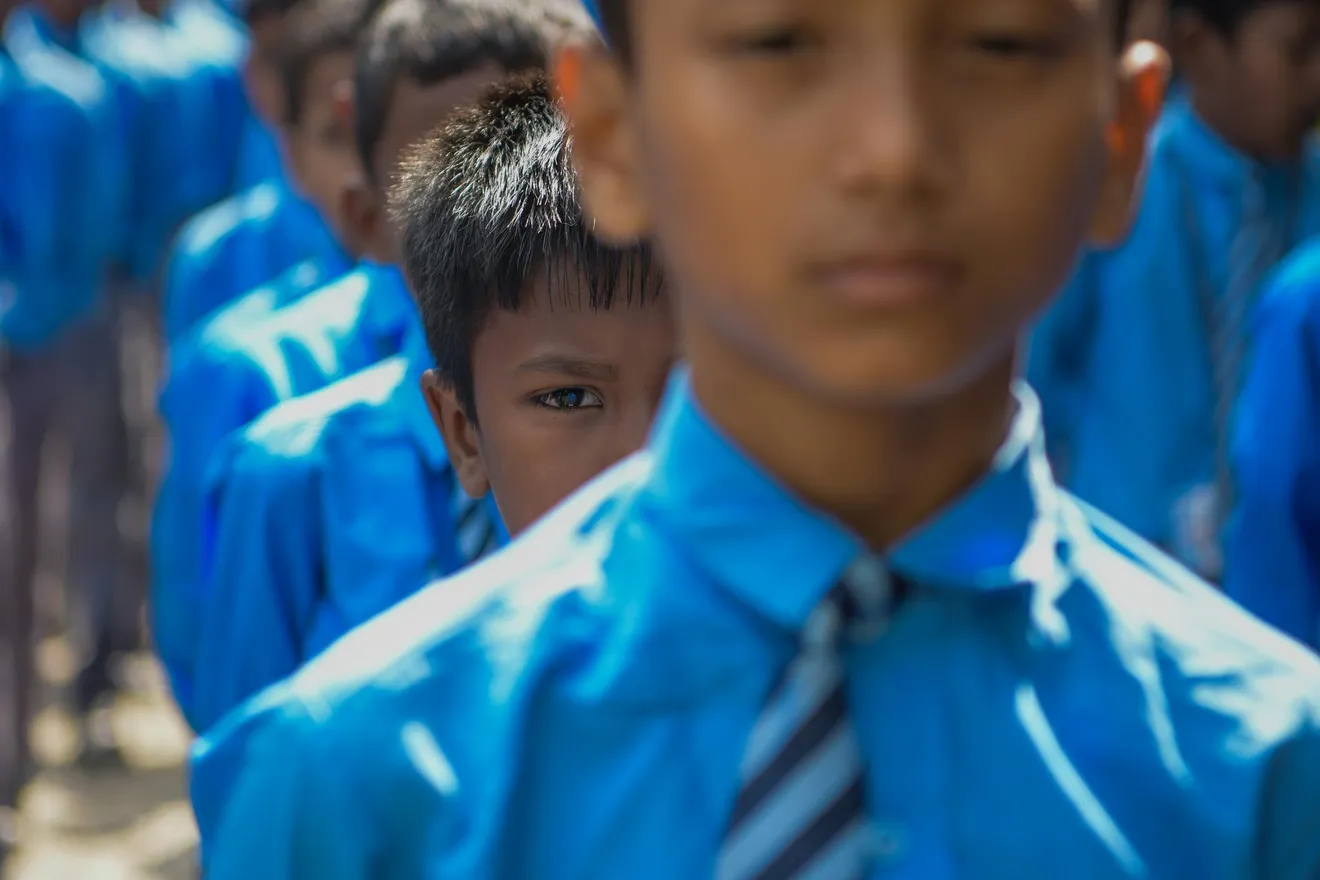
A student looks at the camera as they stand in line during the morning assembly at St. Vincent's High School in Siliguri, West Bengal (India). | Credit: Avijit Ghosh/Leopold Bachmann Foundation/Fairpicture
Context
The Leopold Bachmann Foundation has spent three decades funding education and proactivity, helping people build skills, livelihoods and independence in the regions where it works. Its 30th year was the moment to rethink how it presents that work – a new visual identity, a new website, and a visual language that matches what the foundation actually believes about the people it supports.
The creative brief was unusually clear about that. It asked for people learning, creating, collaborating, leading, building, portrayed with dignity and agency, as active participants in their own lives rather than as recipients. And it asked for something else that briefs rarely request: quiet moments. Light, water, stone, trees, texture. The surroundings that give a person a place, and in the case of the Swiss imagery, photographs that signify the foundation’s own roots and identity.
Four projects were selected, each from a different region the foundation works in:
- Colombia – regional networks of seed keepers, supported via Swissaid across ten departments, where community seed banks strengthen the food security of farming families.
- India – an education and vocational training programme run on the ground by Jesuits Worldwide, giving children and young people the practical and creative skills to shape their own futures.
- Switzerland – the Research Institute of Organic Agriculture (FiBL) in Frick, Aargau, a leading centre for research and advice on organic farming, as well as one of its projects at Alp Peil, Vaslertal.
- Zimbabwe – the Young Africa Skills Builder programme at the Young Africa Skills Centre in Chitungwiza, which tackles youth unemployment through vocational training.
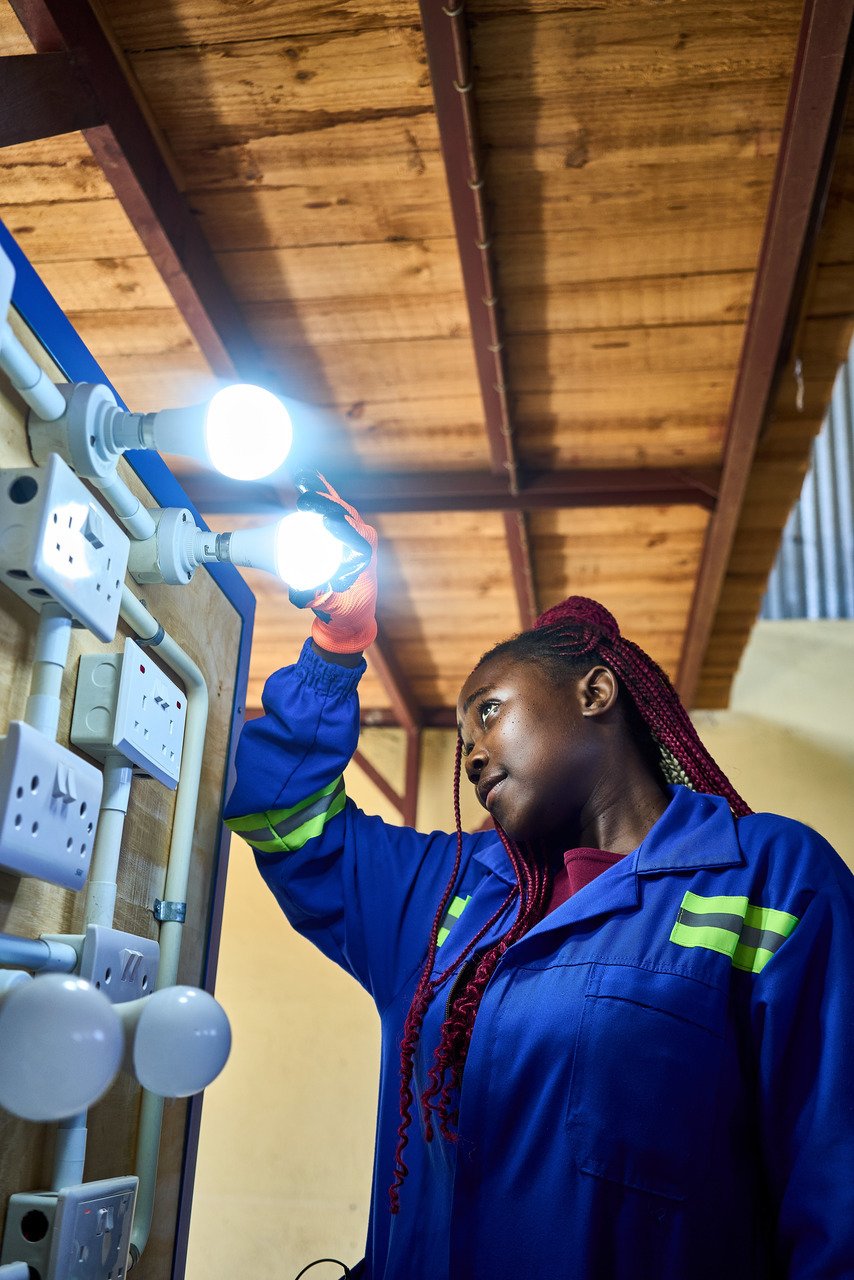
Tanatswa Chuwara, 20, switches on the lights to test the electrical connection built by students at Young Africa (YA), a youth skills training centre in Chitungwiza a satellite town near the Zimbabwean capital, Harare. | Credit: Tendai Marima/Leopold Bachmann Foundation/Fairpicture

This assignment allowed to do something beyond the simple documentation of the subjects’ daily life. In order to highlight how dozens of Colombian Indigenous people preserve the heirloom seeds, I did a number of playful portraits that not only resulted in a more visually striking photo essay, but a more meaningful and dignified connection with the protagonists.
Jaír F. Coll
Fairpicture Visual Creator
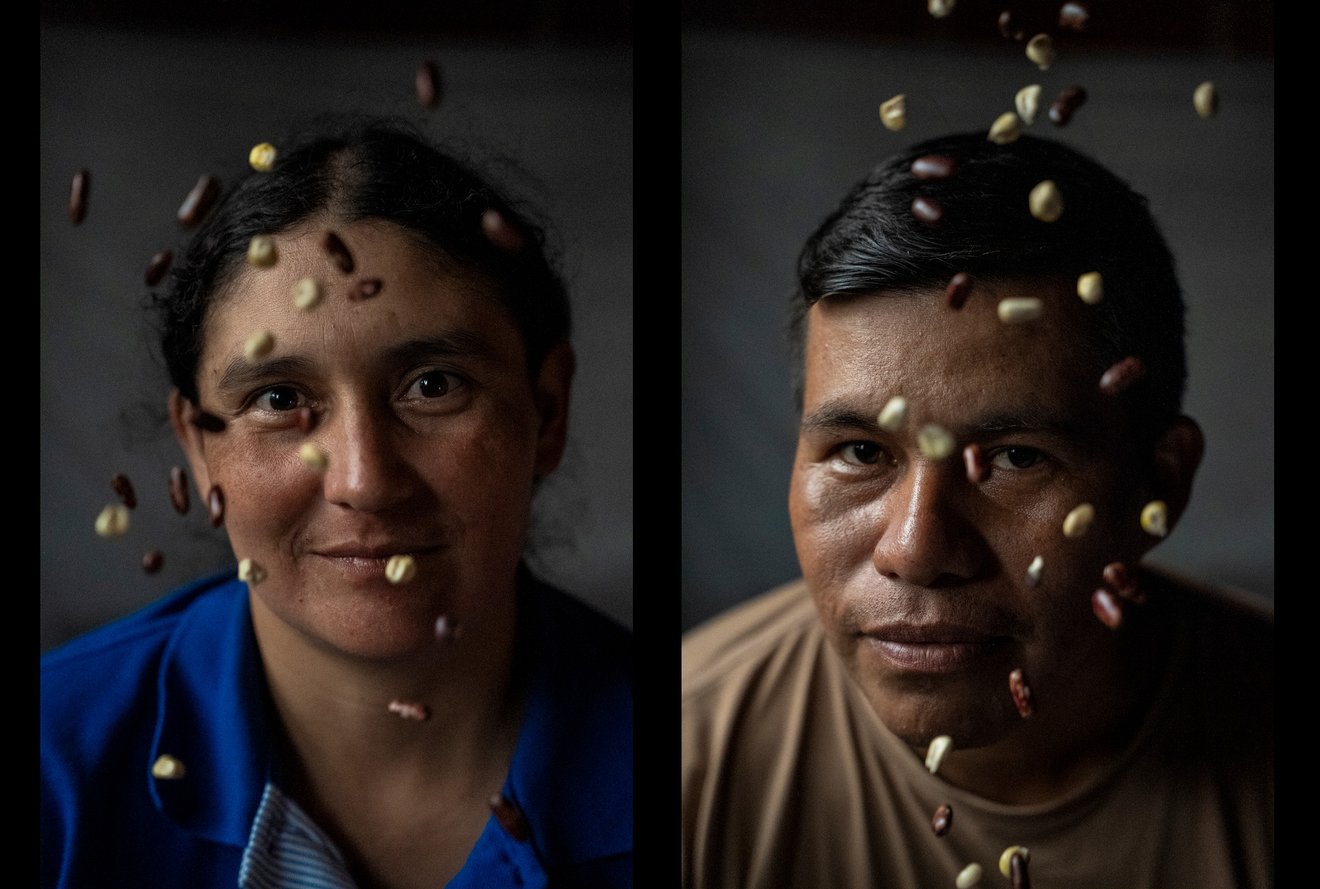
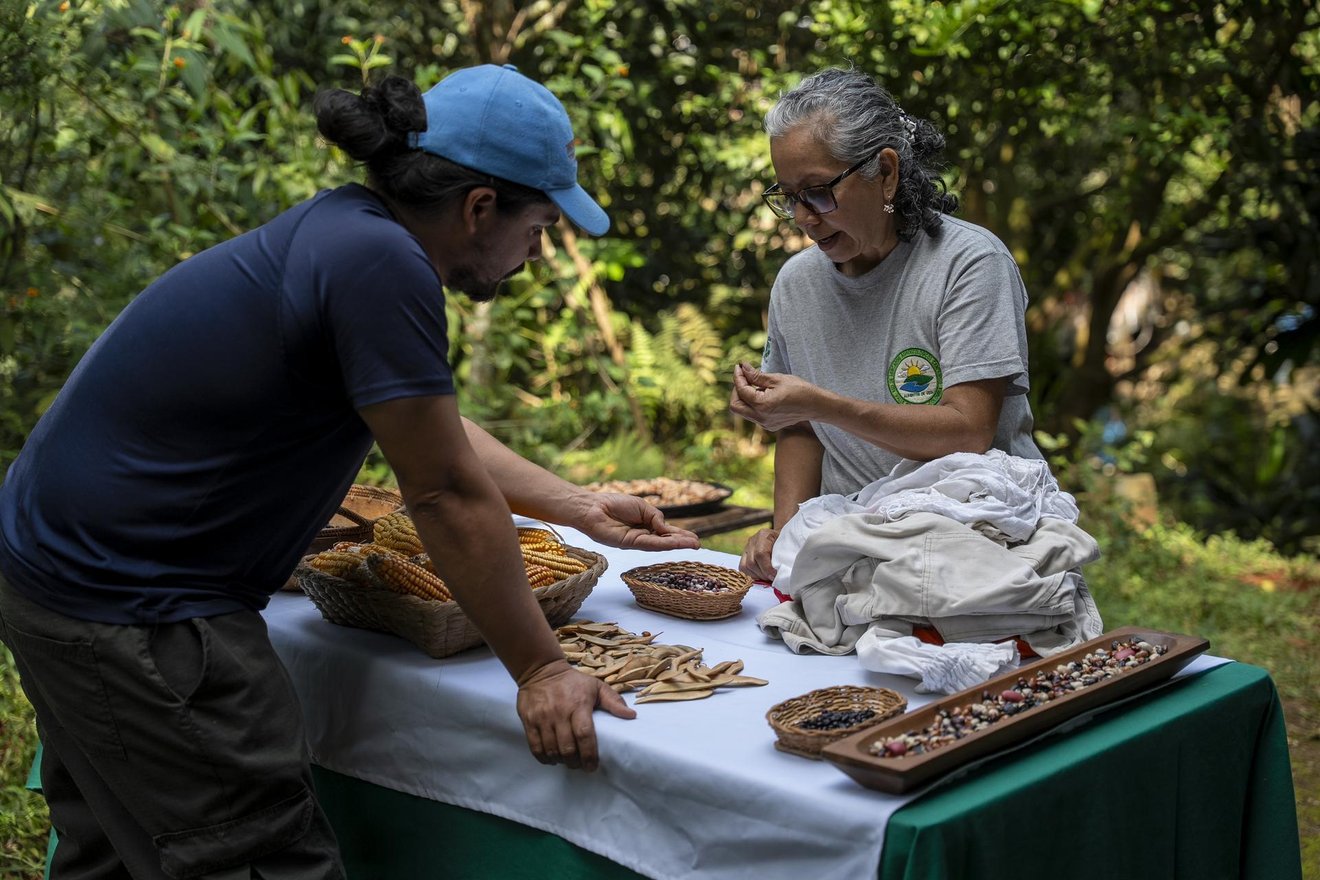
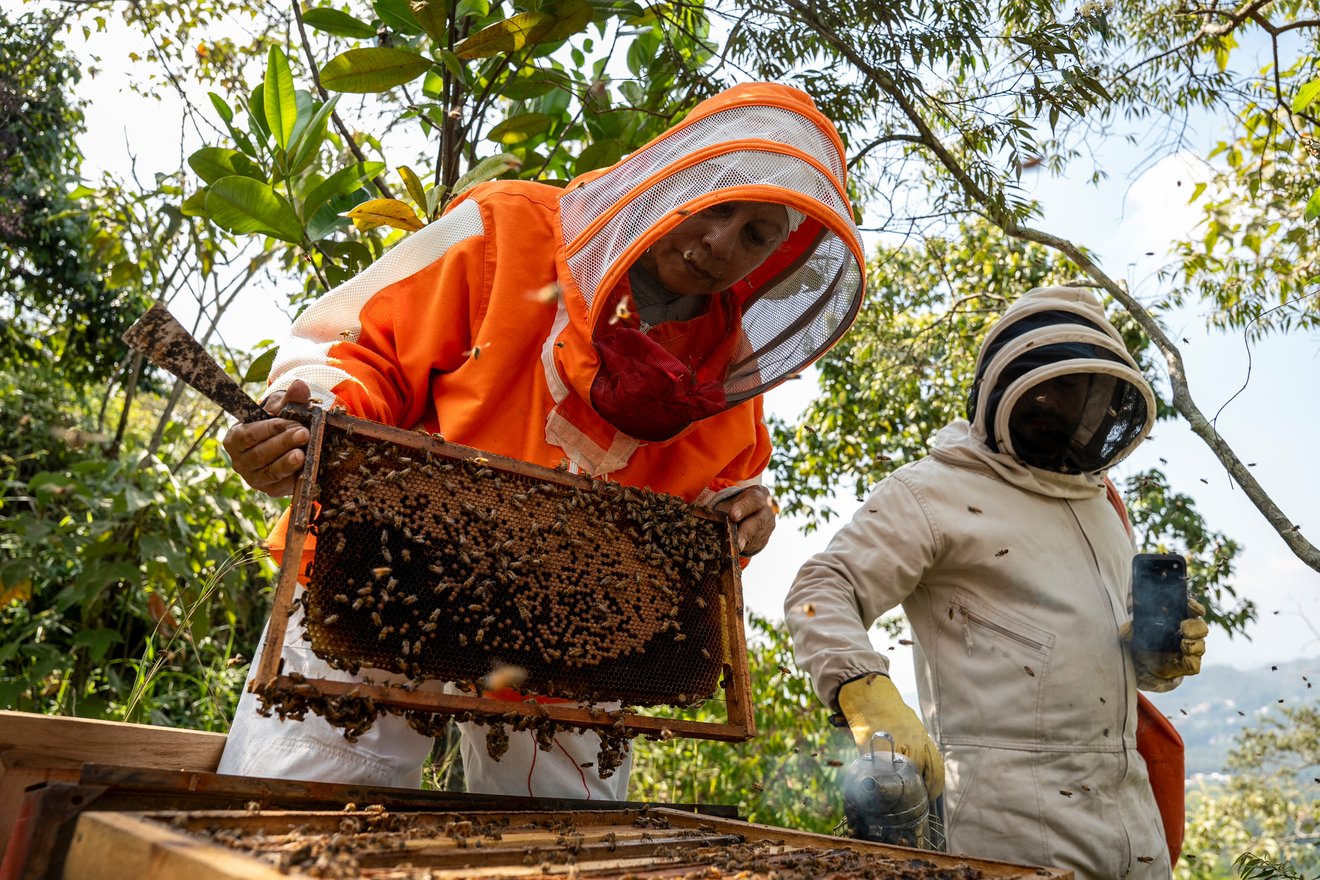
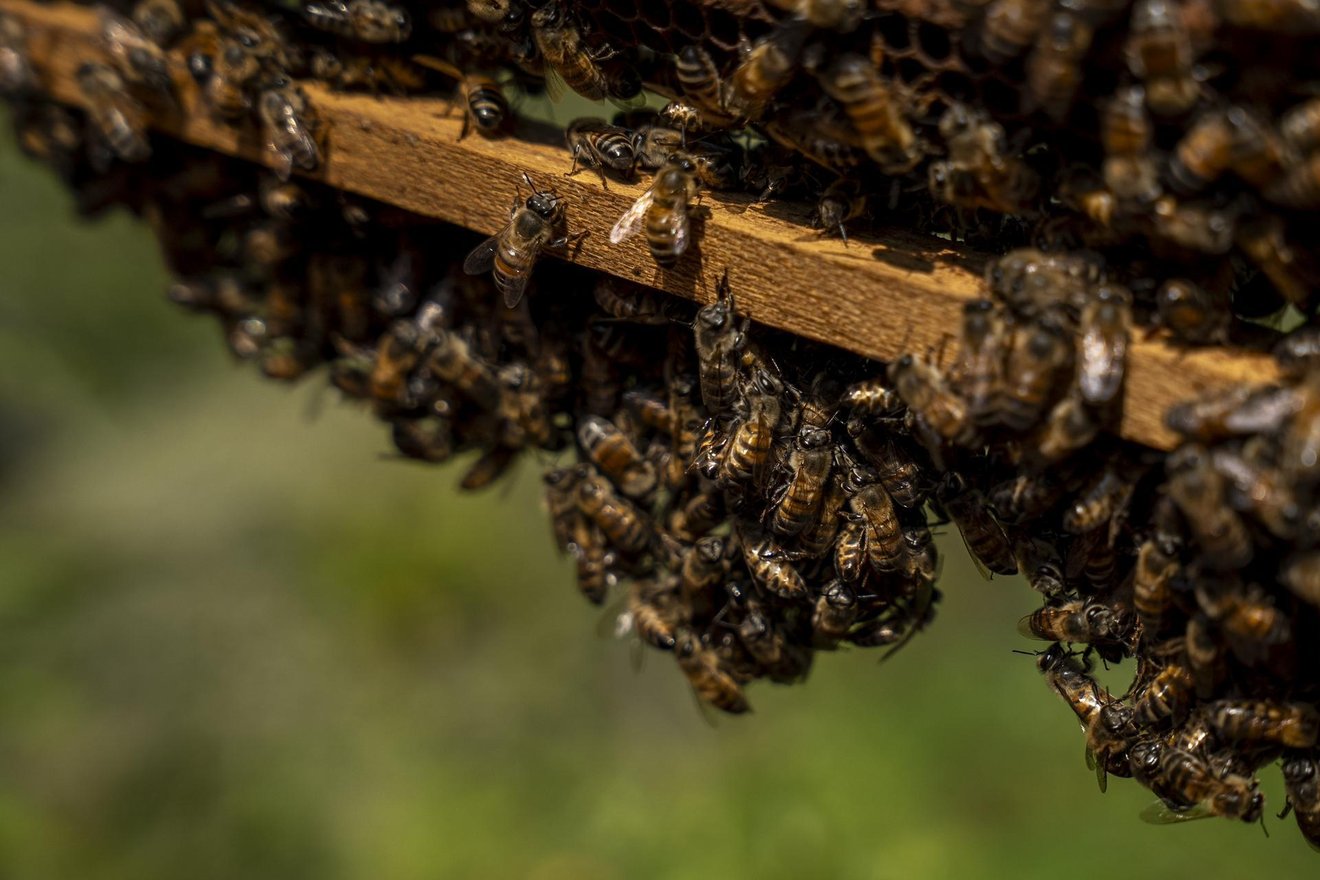
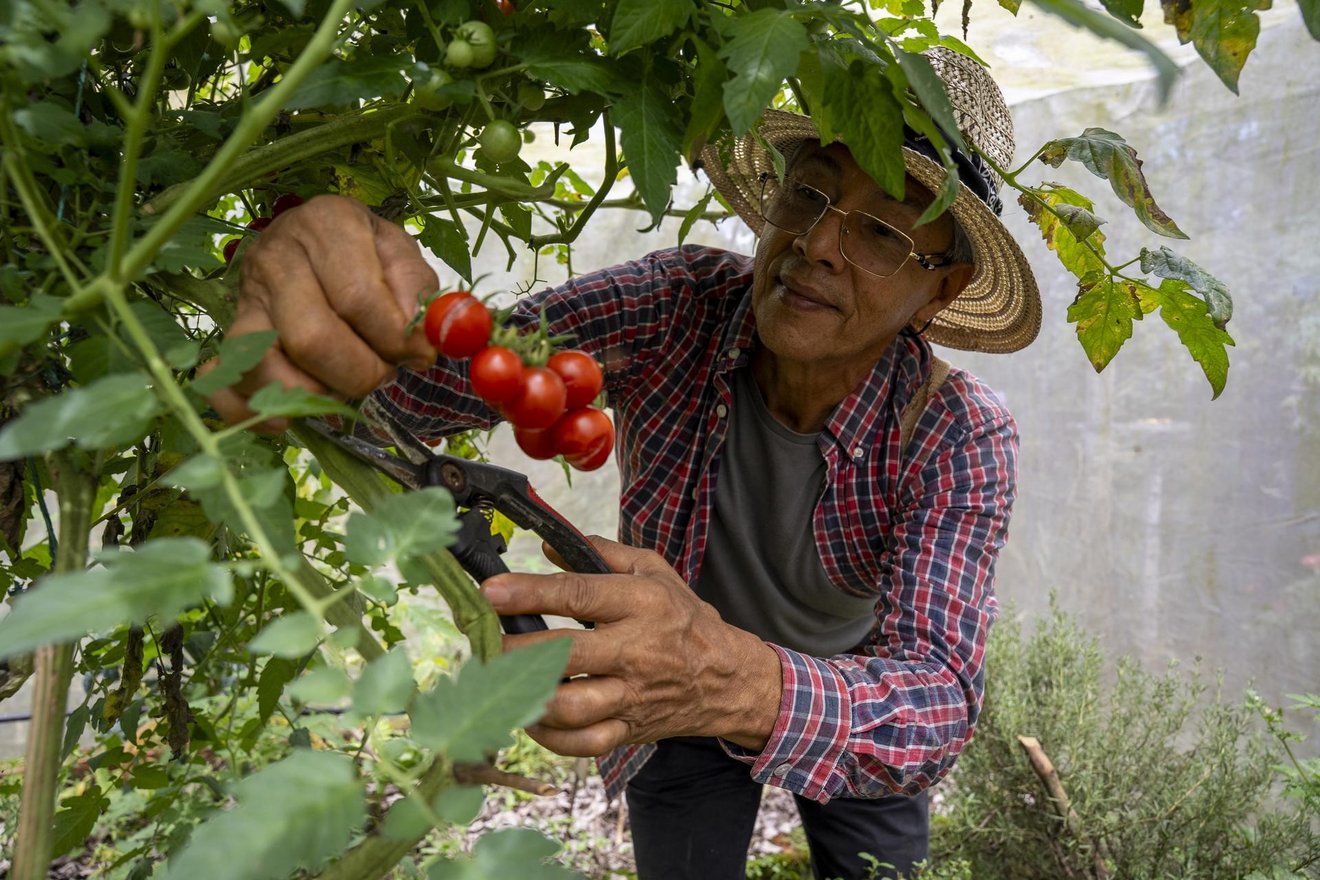
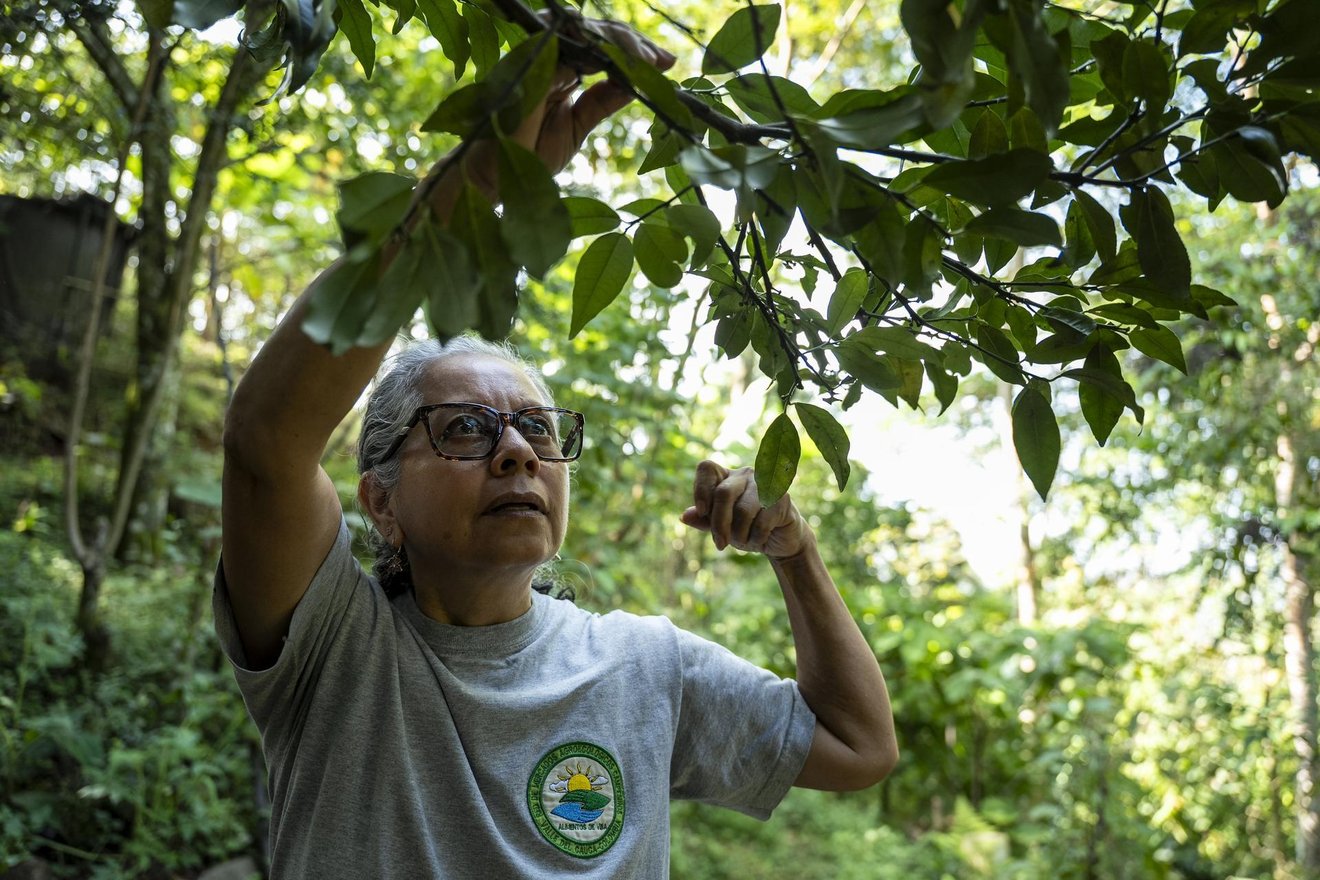
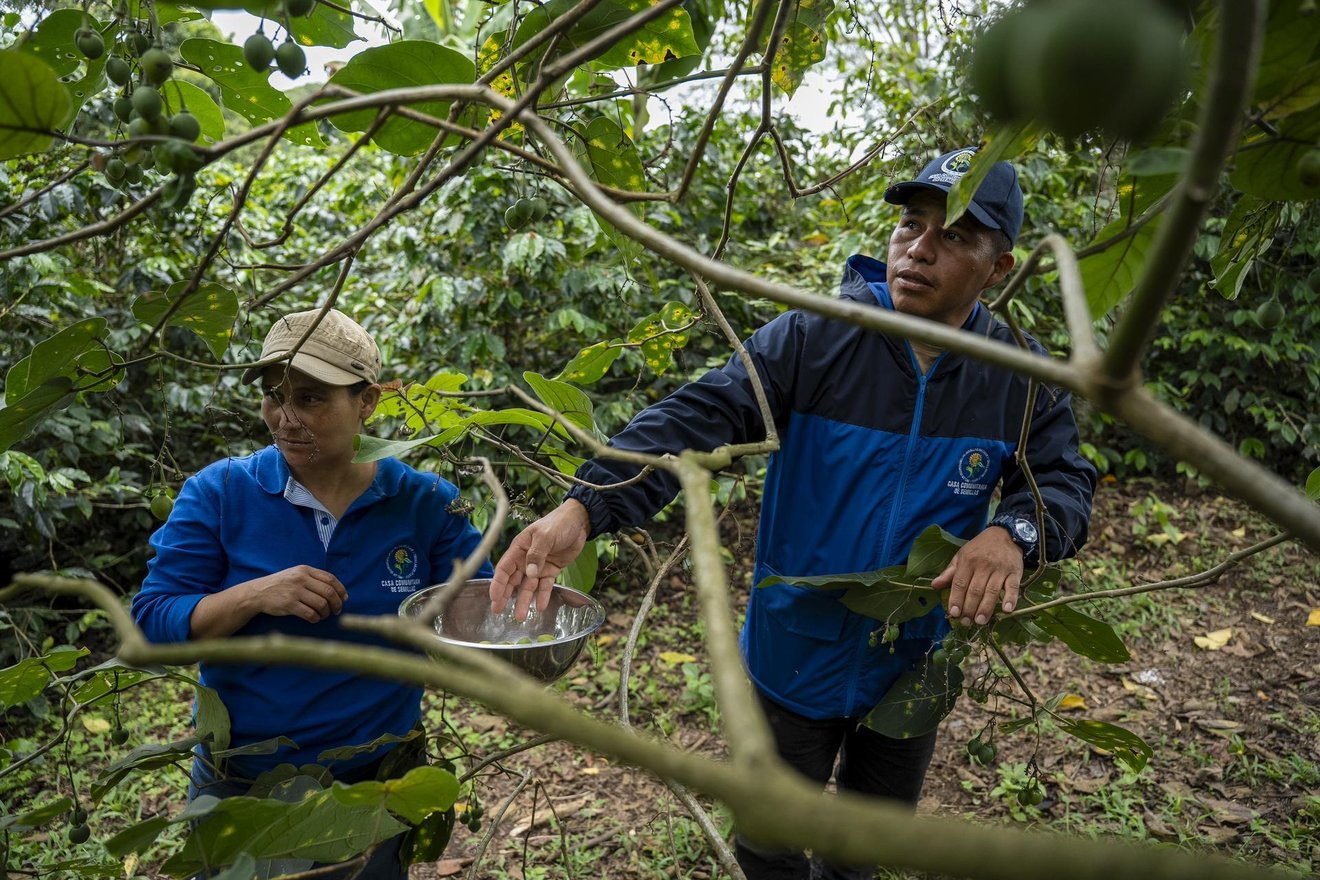
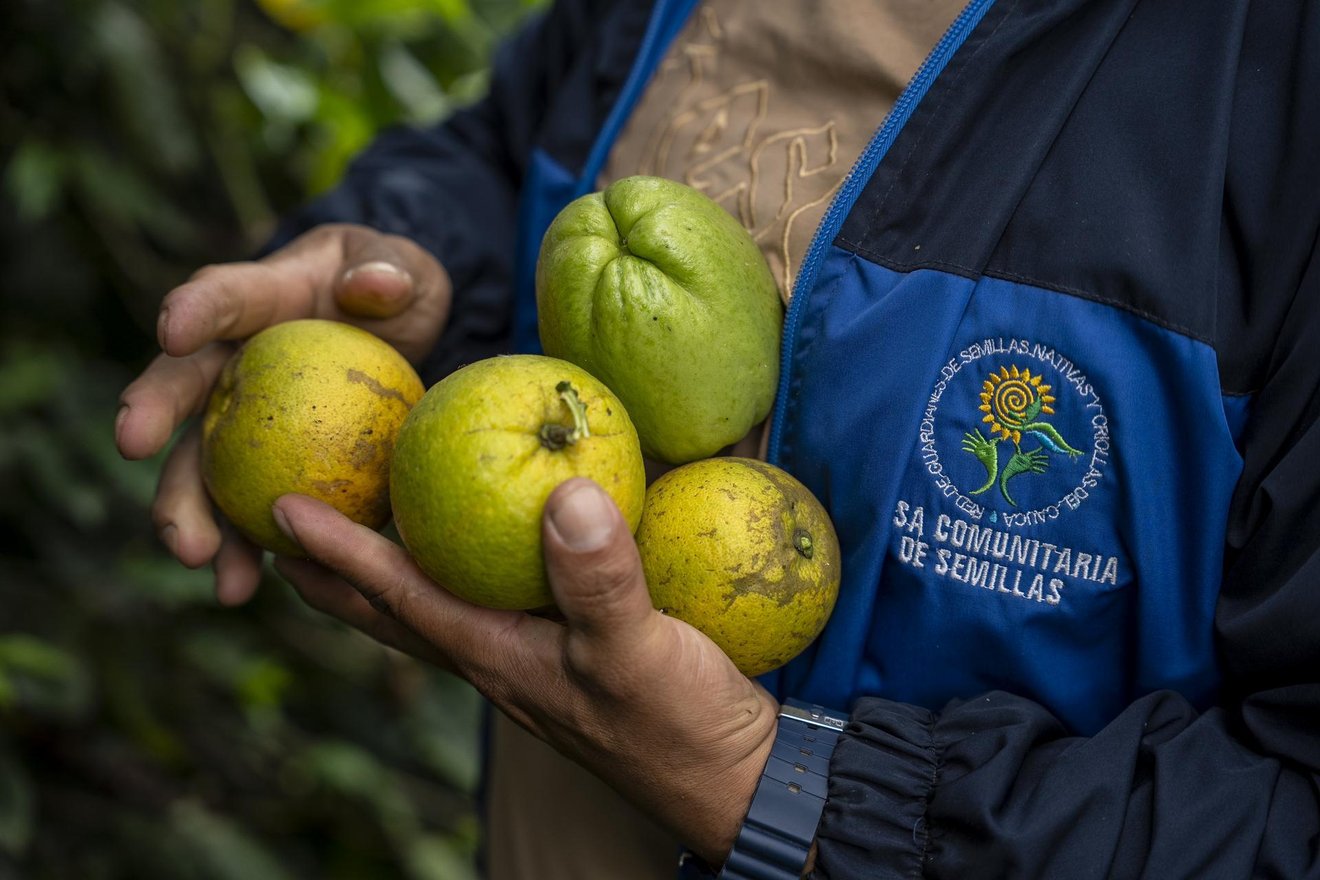
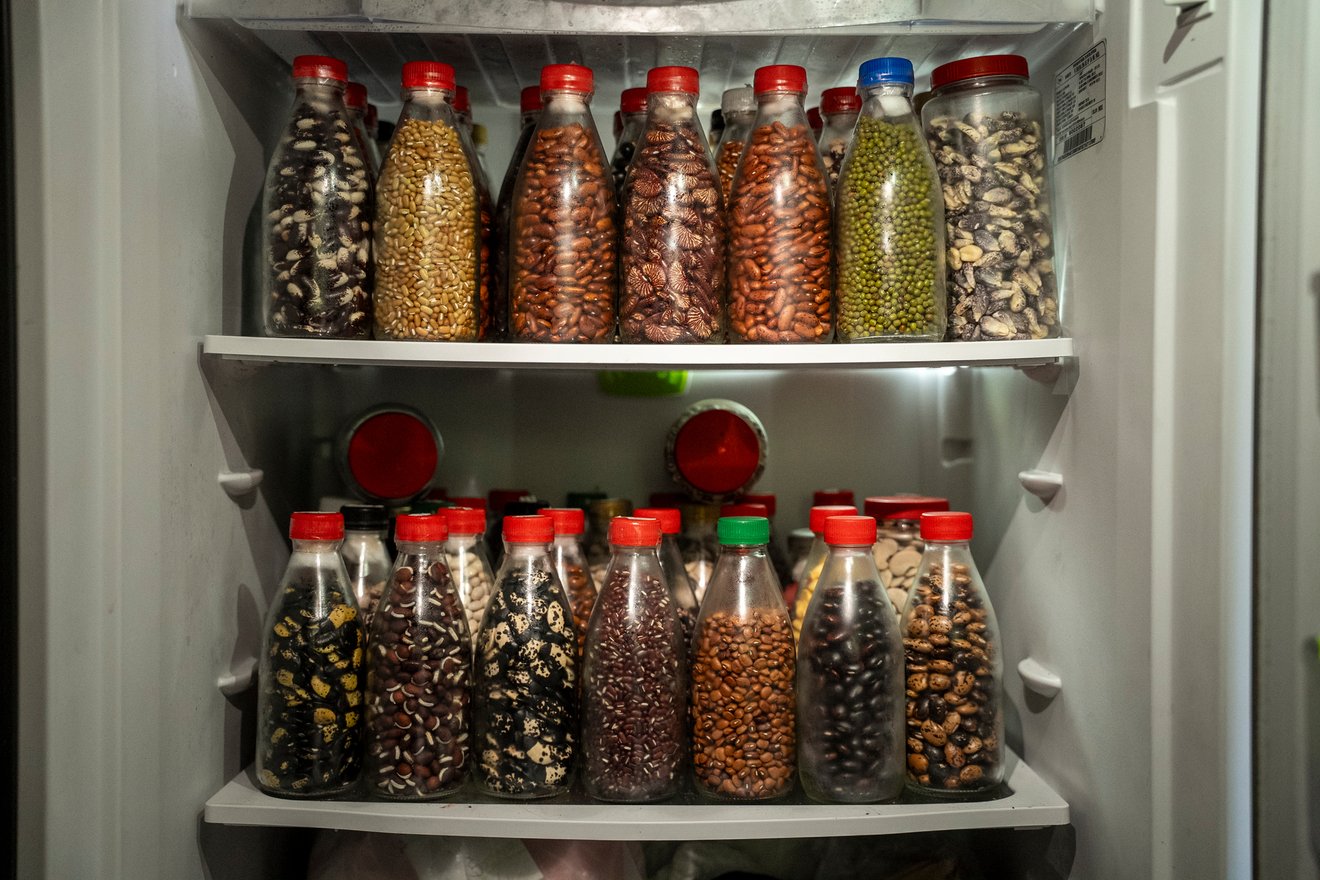
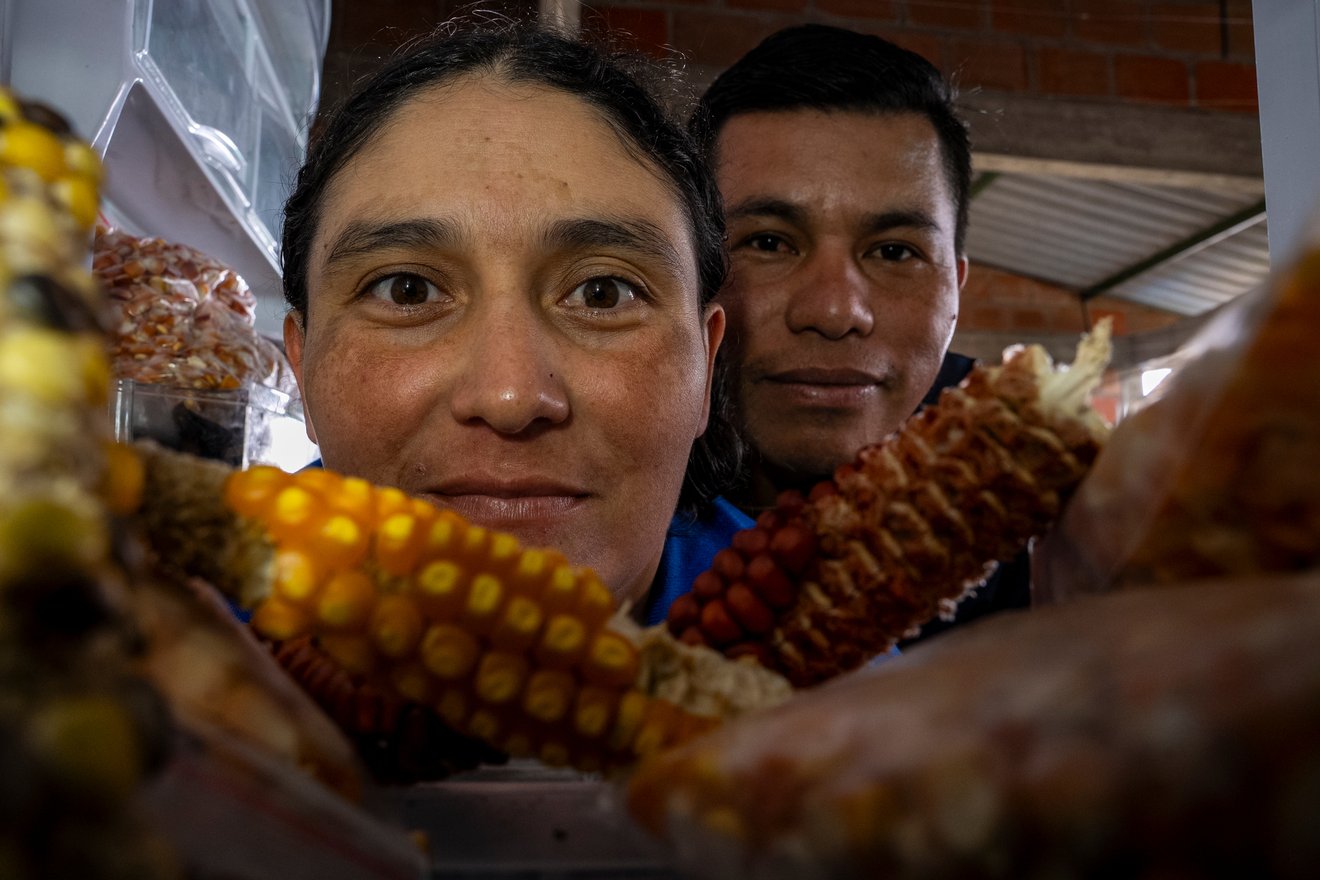
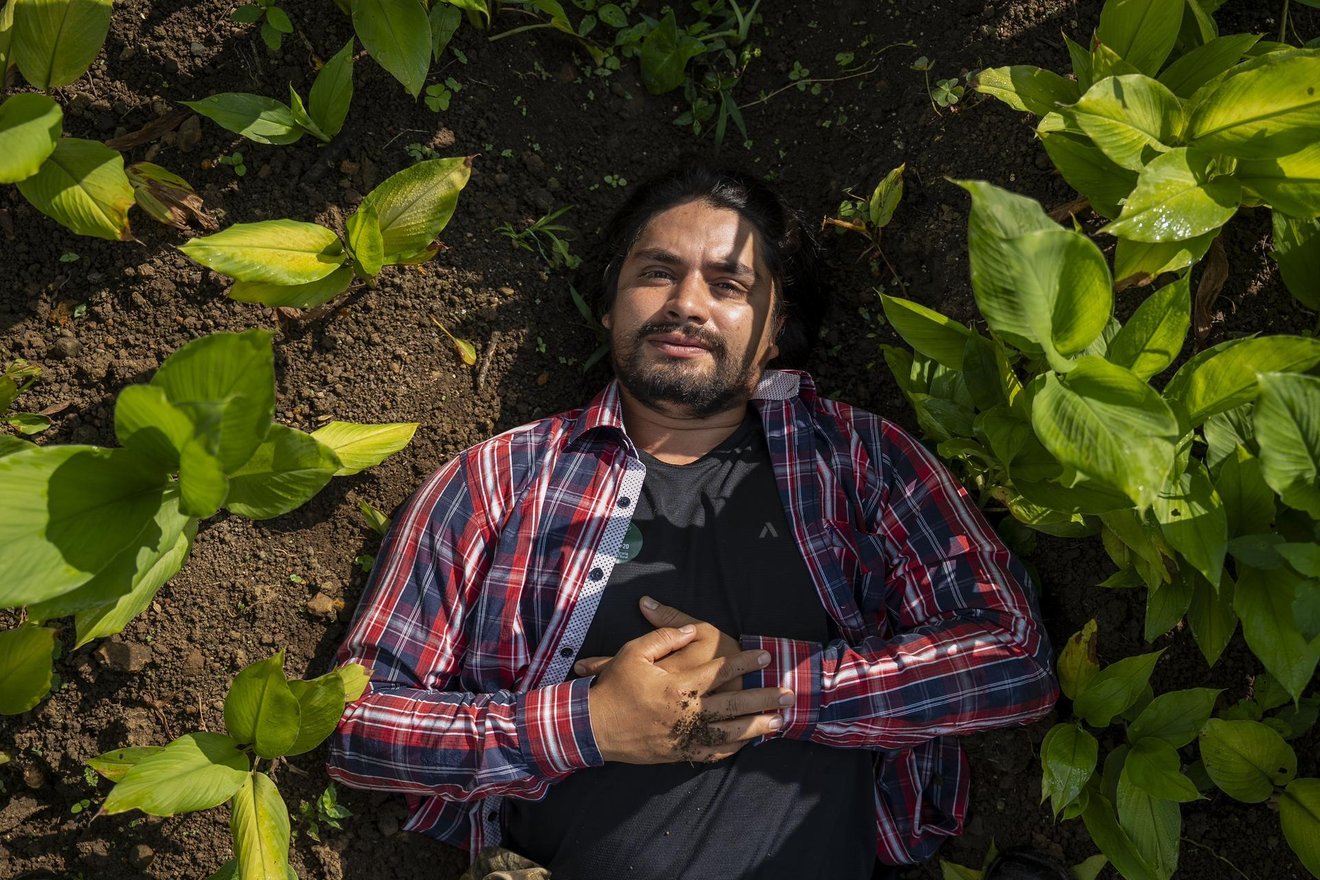
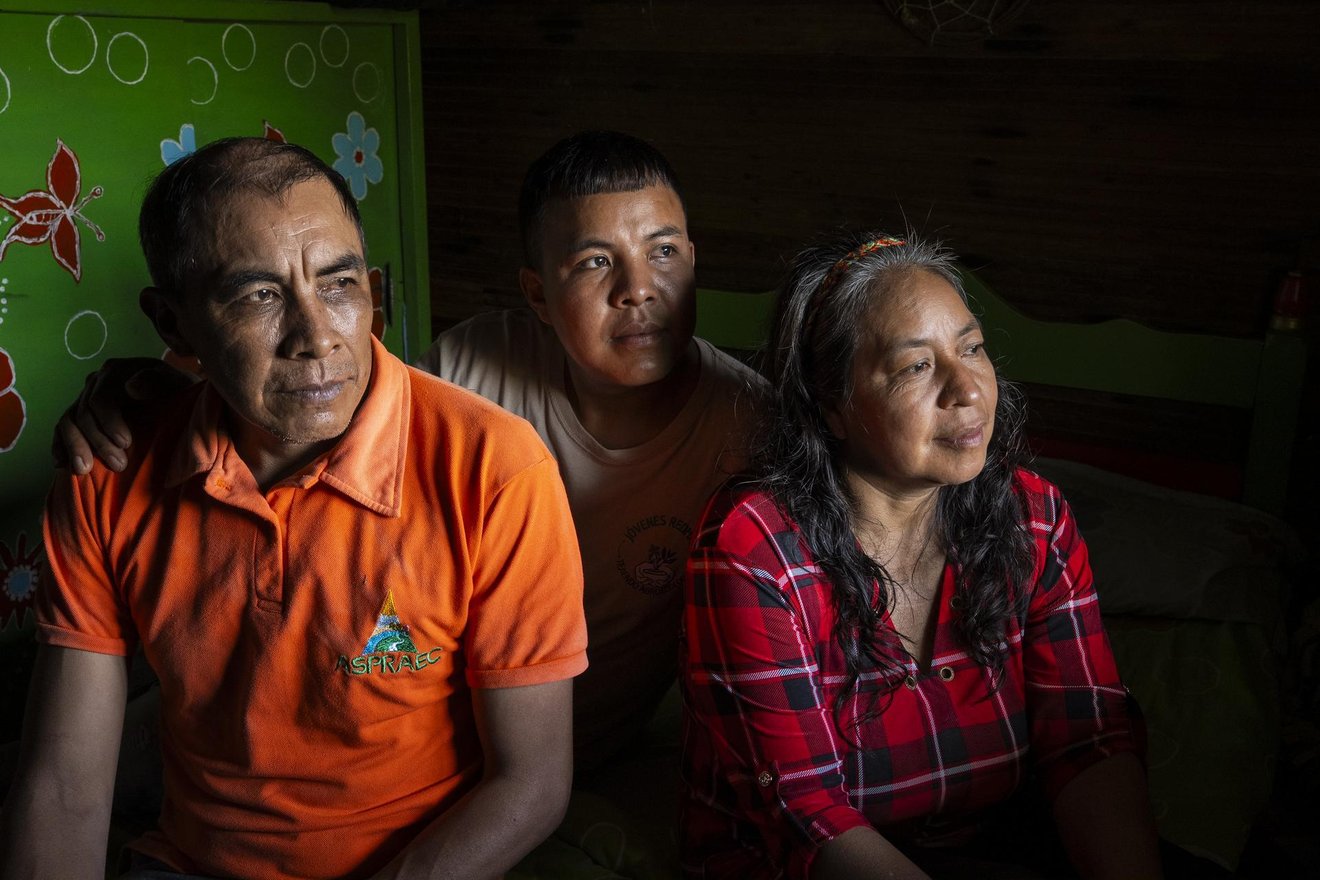
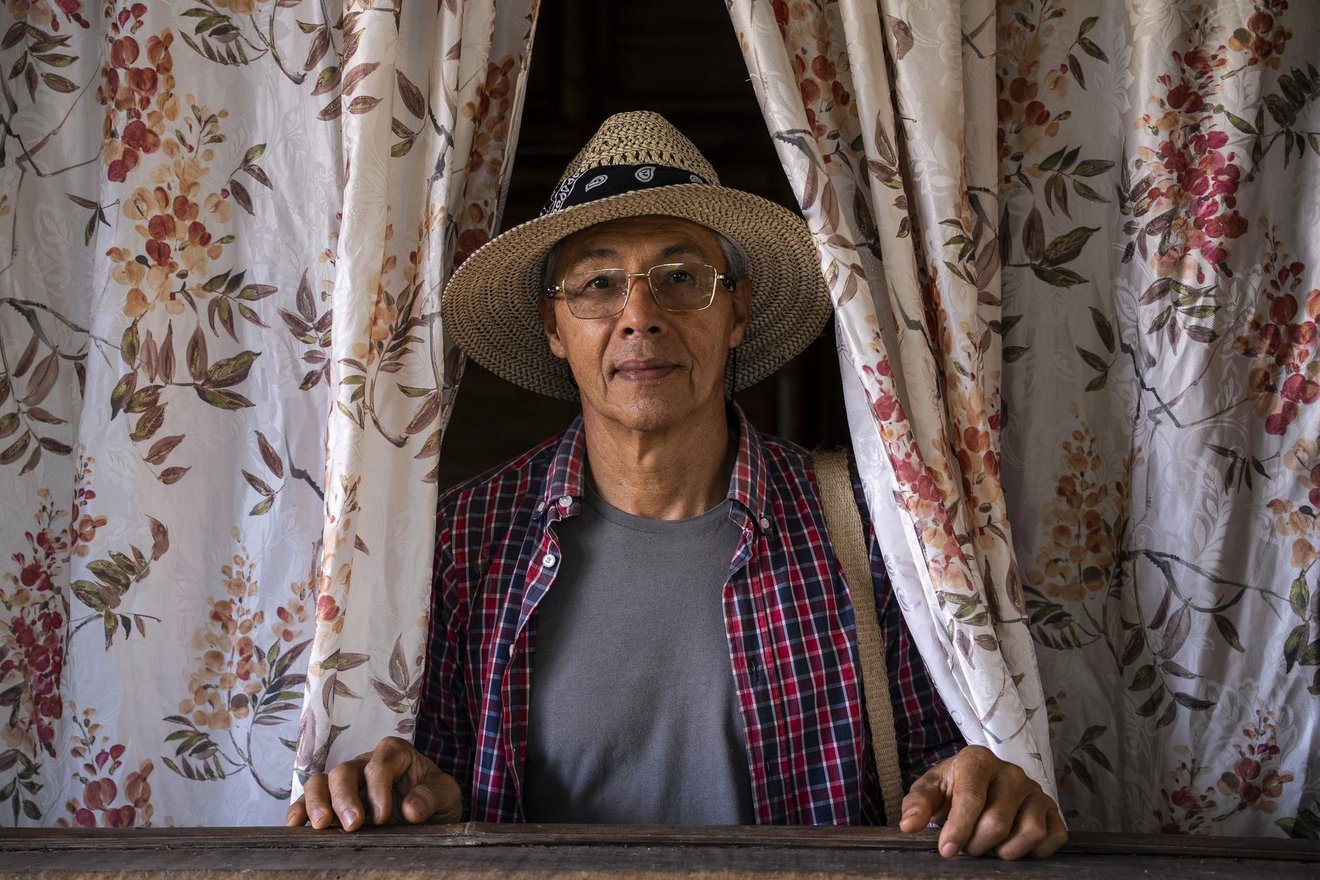
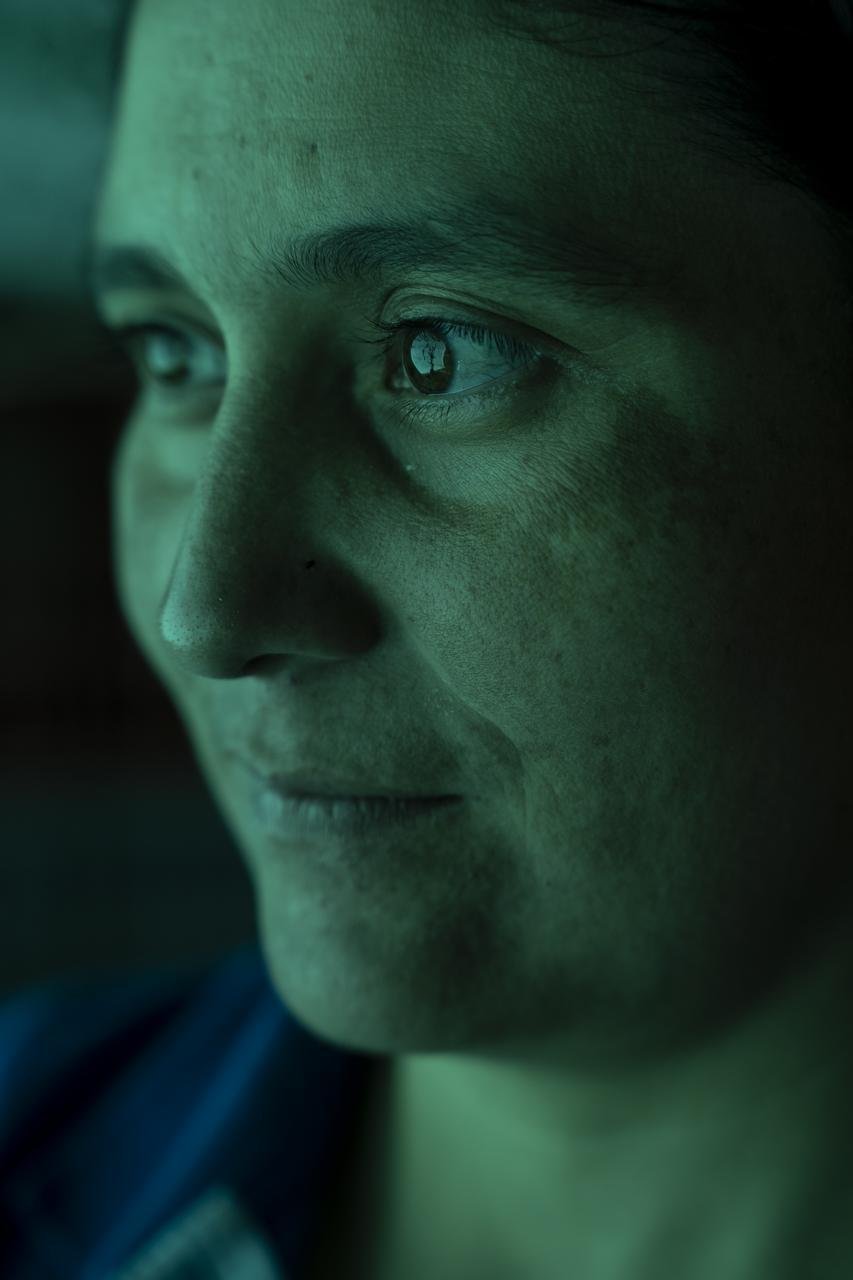
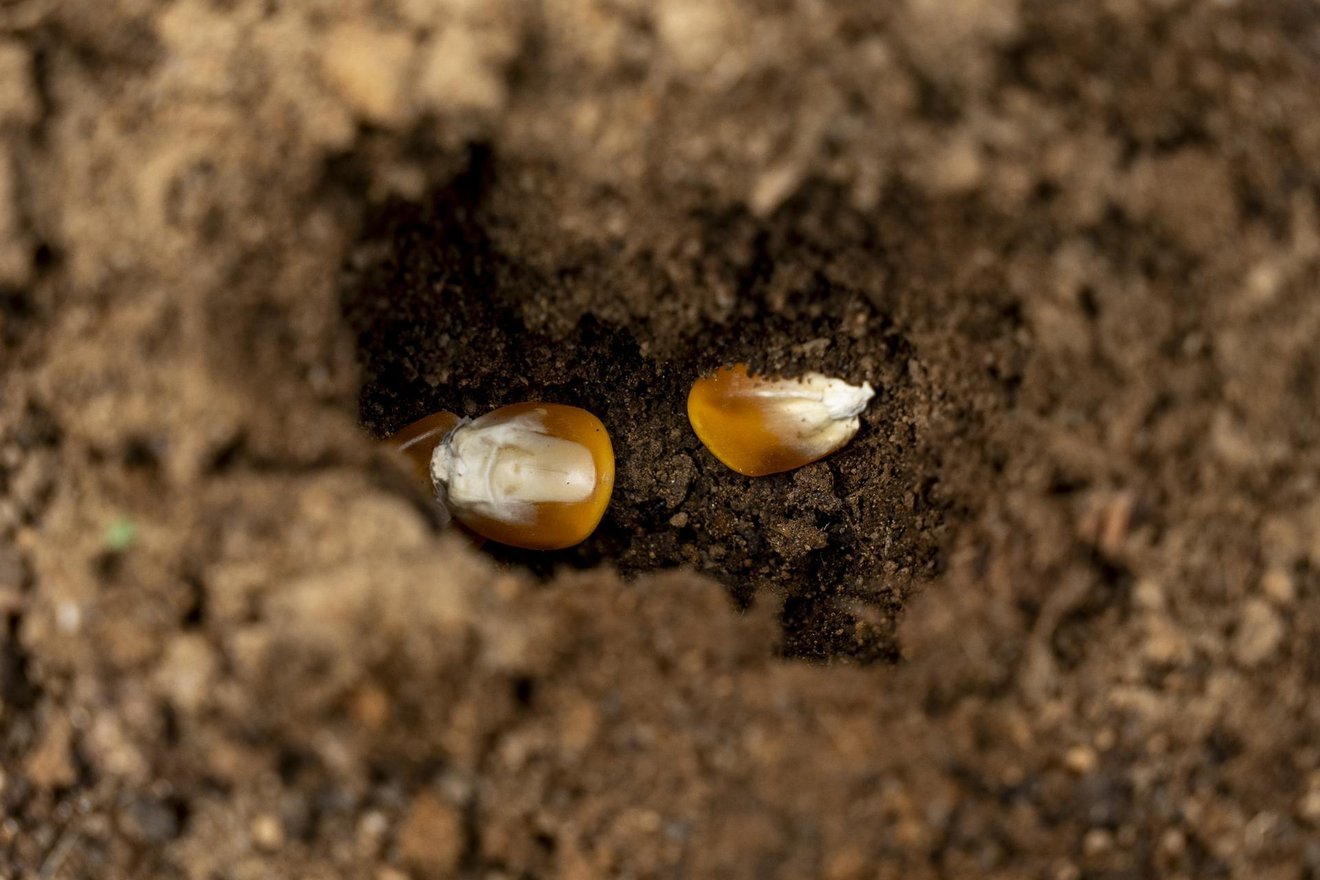
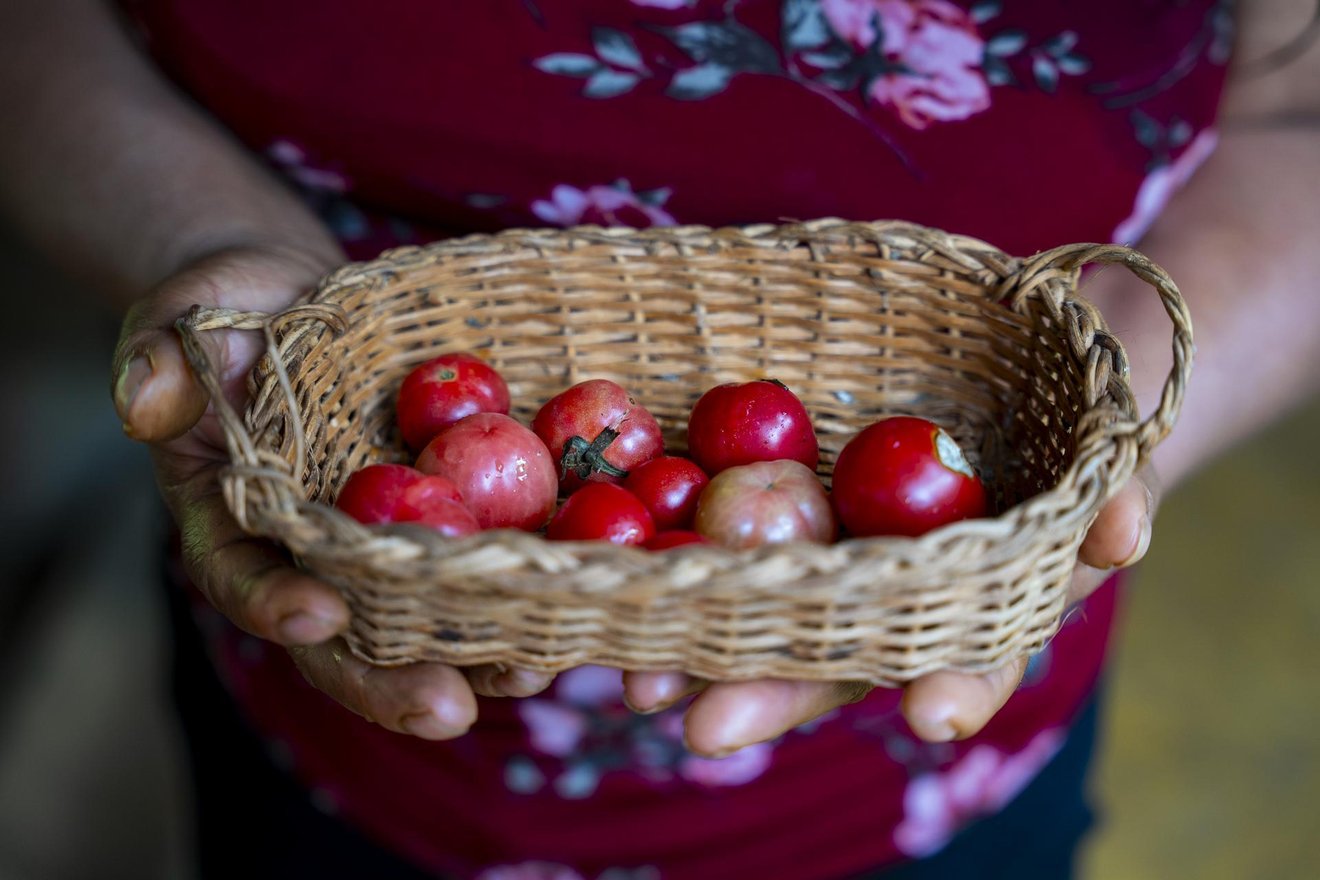
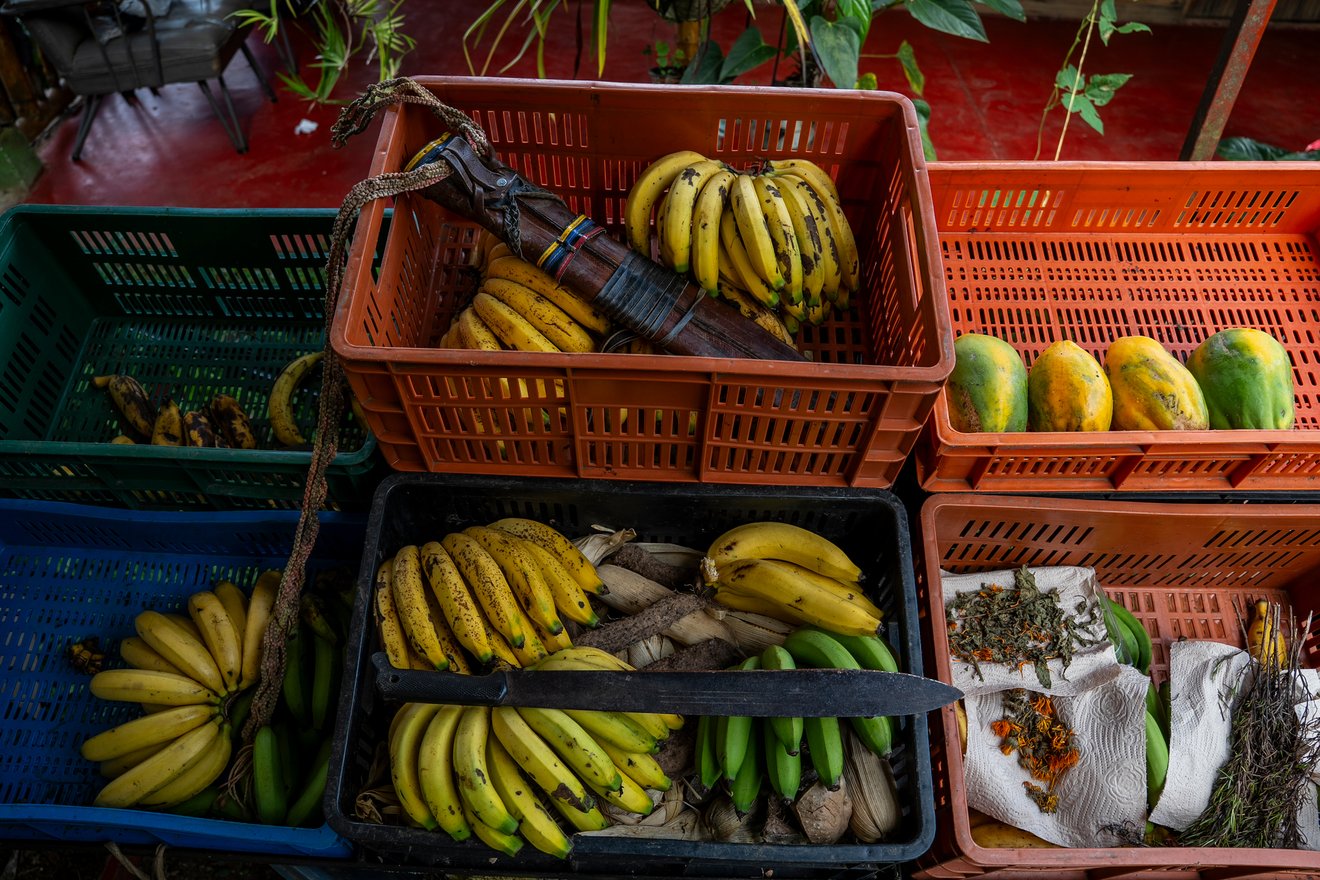
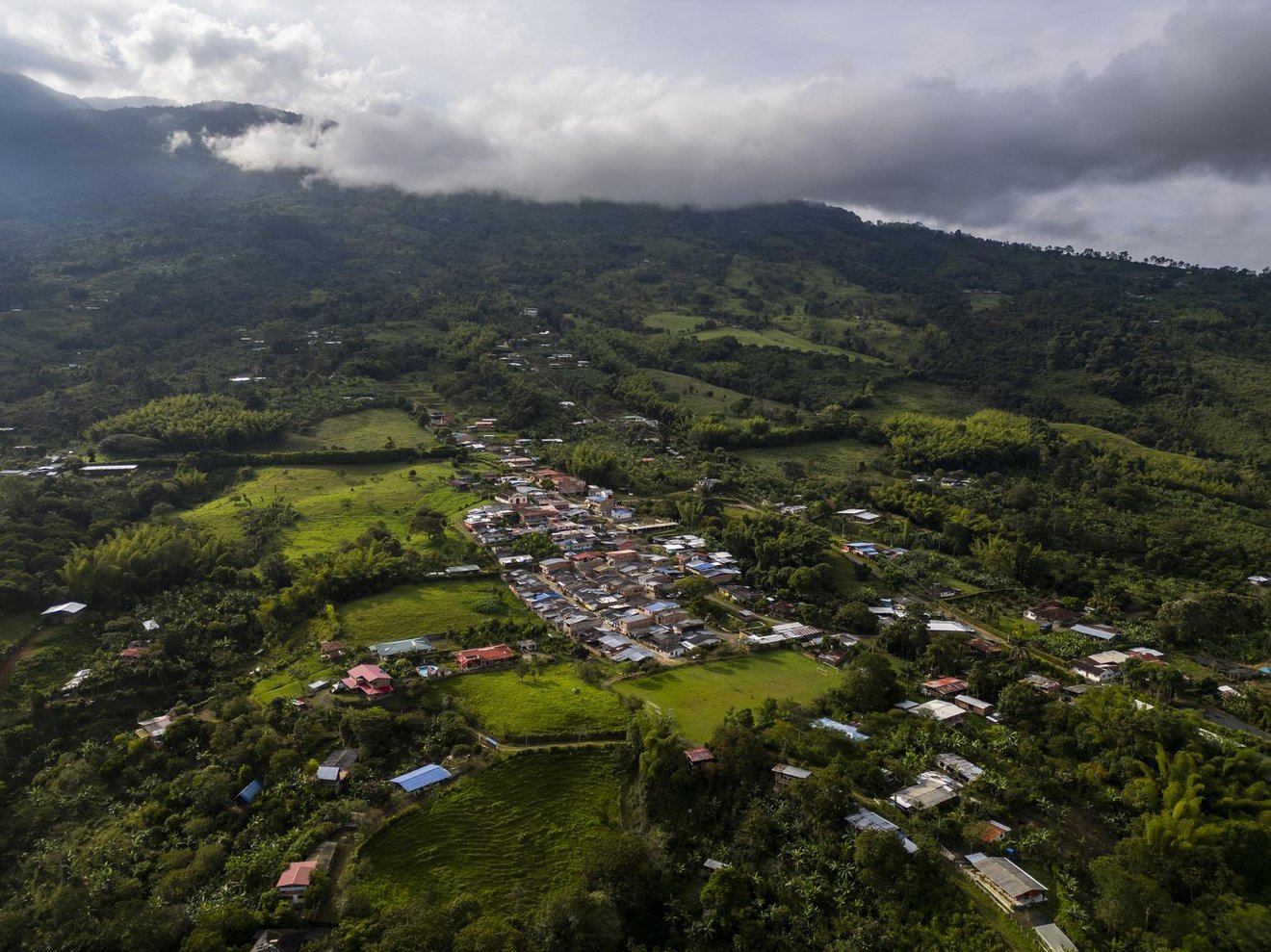
Photo Collection from the Valle del Cauca in Colombia, where the Leopold Bachmann Foundation supports via SWISSAID regional networks of seed keepers across ten departments, who strengthen the food security of farming families. | Credits: Jaír Coll/Leopold Bachmann Foundation/Fairpicture
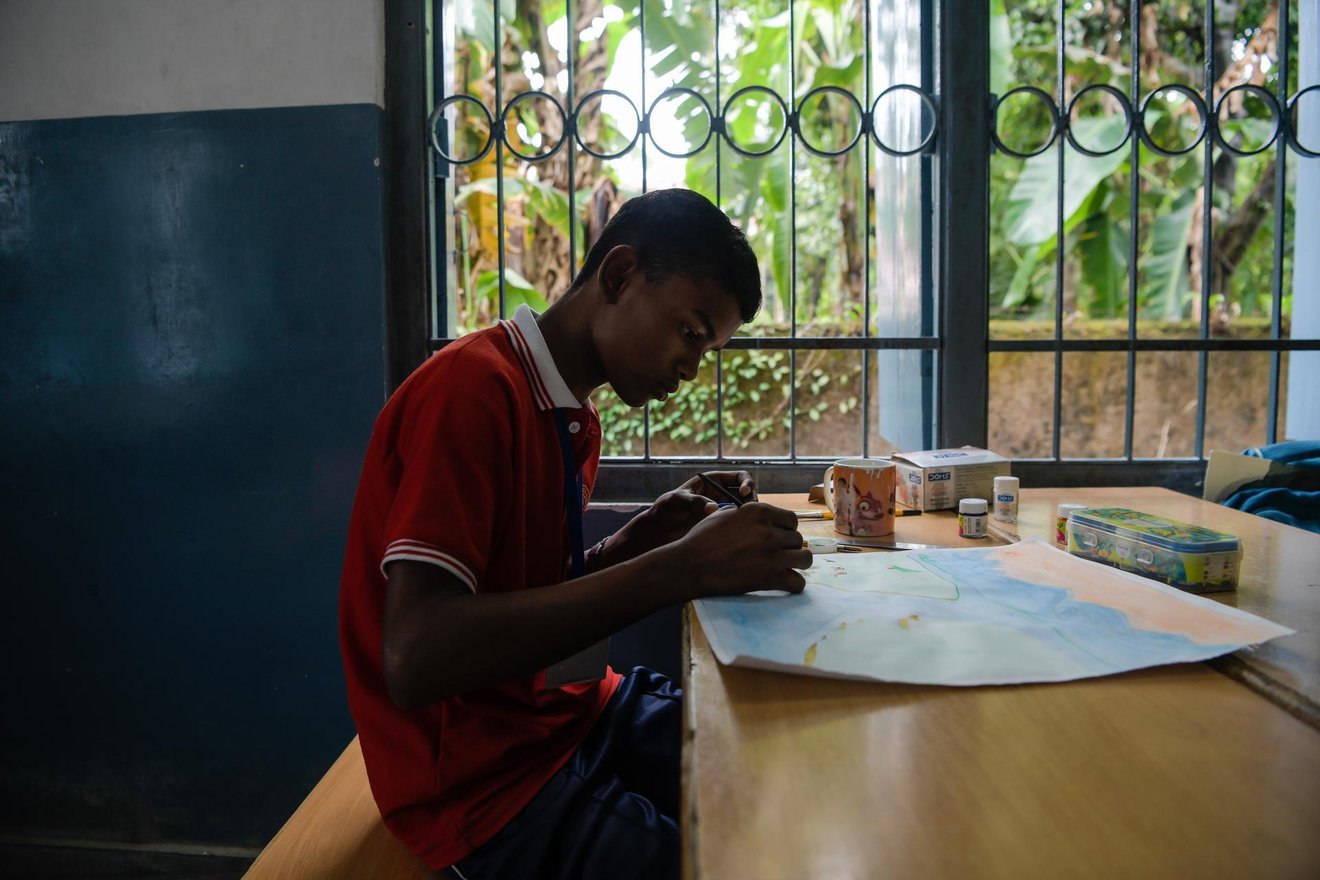
Priyansus Kharia (14) practices his drawing during an art class at St. Vincent's High School.
Credits: Avijit Ghosh/Leopold Bachmann Foundation/Fairpicture
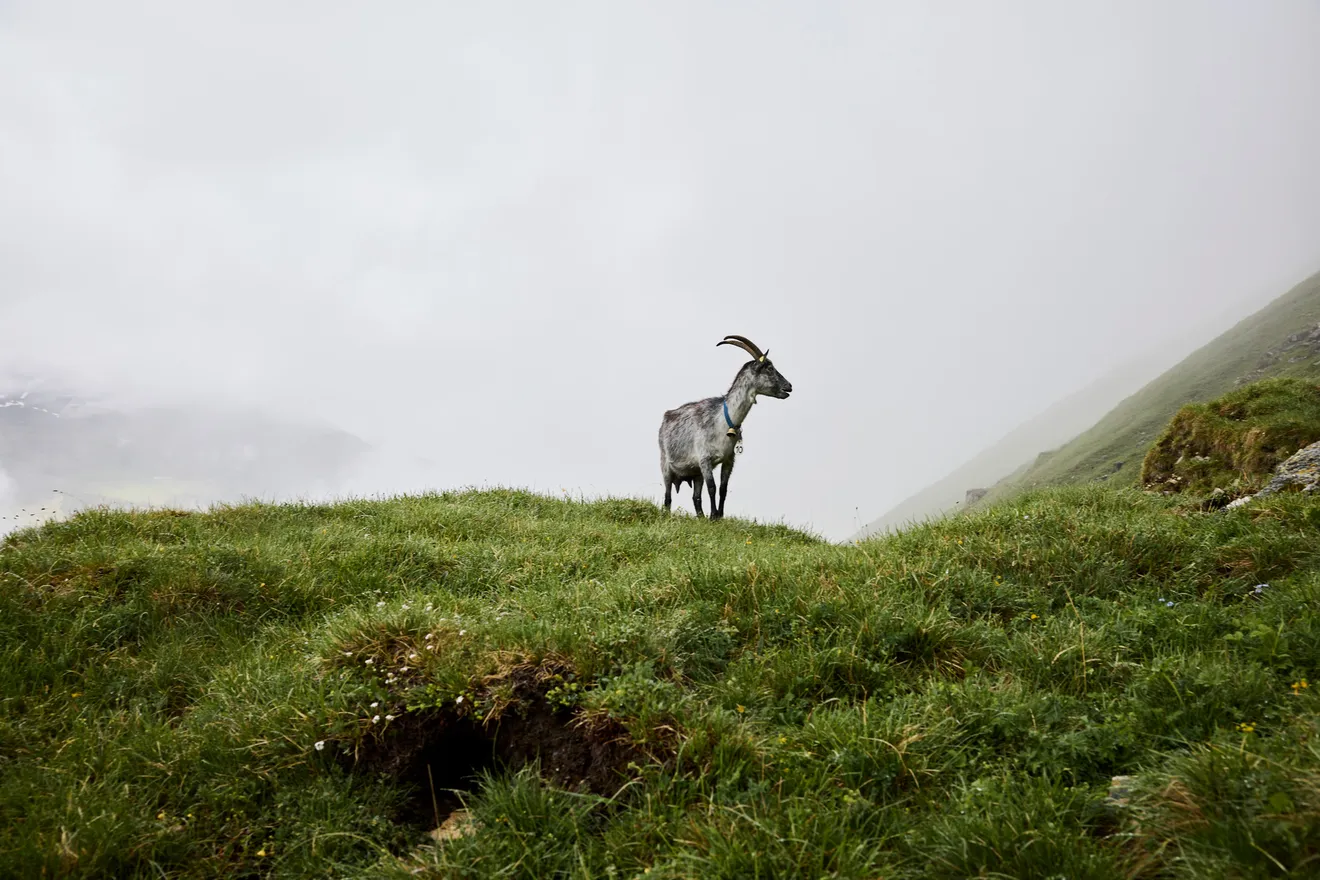
The new lead image on the Leopold Bachmann Foundation’s rebranded website: a goat on the high-altitude summer pasture of Ziegenalp Peil, Graubünden, Switzerland. The alp lies at 1,670 metres above sea level and is grazed by 200–230 dairy goats in summer. Goat farming in Graubünden has a centuries-old tradition and makes an active contribution to the conservation of alpine biodiversity. | Credit: Marion Bernet / Leopold Bachmann Stiftung / Fairpicture
Outcome
Four productions, four countries, one website launch to hit.
What kept them coherent was not central control but a shared starting point: Leopold Bachmann Foundation’s moodboard gave all four photographers the same visual reference, while each of them decided for themselves how to answer it in their own context. In Colombia, that meant coordinating closely with Swissaid's local facilitators in Cauca and Valle del Cauca, where access depends on knowing the ground. In Zimbabwe, it meant two days inside the workshops and classrooms of a skills centre. In Switzerland, a working alp high above Vals, goats included. In India, the classrooms of a Jesuits Worldwide school, down to the art lesson where pupils draw maps by hand.
The result is a photo library the foundation owns and can keep using: several hundred images across four countries, with informed consent documented for every person depicted. They now carry the foundation's new website, which went live in summer 2026, and run through its wider communication work.
For us, the project confirmed something we keep relearning. A rebrand is exactly the moment an organisation decides what it wants to look like. And that is the moment worth spending on real photographs of real people, made by photographers who live where the work happens.
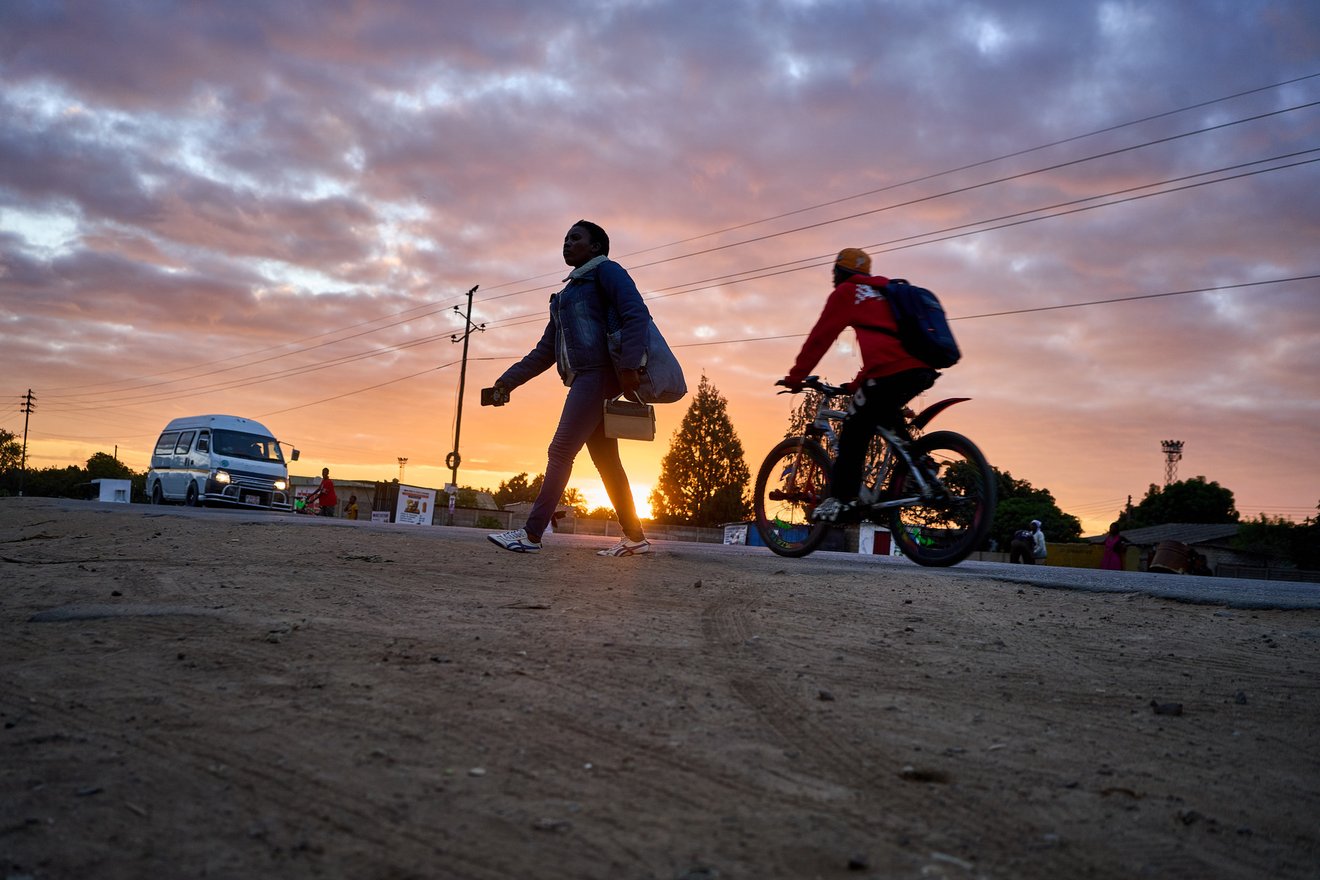
People head home past Young Africa (YA), a youth skills training centre in Chitungwiza a satellite town near the Zimbabwean capital, Harare. YA Zimbabwe is an affiliate of Young Africa International, a variety of skills centres around the Continent supported by the Leopold Bachmann Foundation (LBF) to equip young people with skills and pathways to livelihoods. | Credit: Tendai Marima/Leopold Bachmann Foundation/Fairpicture
Case studies
February 2023 - Franziskaner Helfen
Hope and reality after the earthquake
Fairpicture photographer Hasan Belal documented the consequences of the devastating earthquake in Syria in the form of photos and interviews.
Learn more about Hope and reality after the earthquake
June 2023 - Alce Nero and Fairtrade Italy
Visual Communication on empowerment and equity
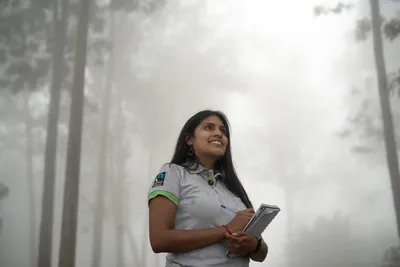
Alce Nero, a market-leading company for organic farming reached out to Fairpicture to tell a story which speaks of redemption, liberation and fairness and comes with videos and photos.
Learn more about Visual Communication on empowerment and equity
May 2023 - Welthungerhilfe (WHH)
Communications Quick Review
Discover an in-depth case study showcasing a fair and critical review of communication practices. Gain actionable insights for productive enhancements and future success.
Learn more about Communications Quick Review