
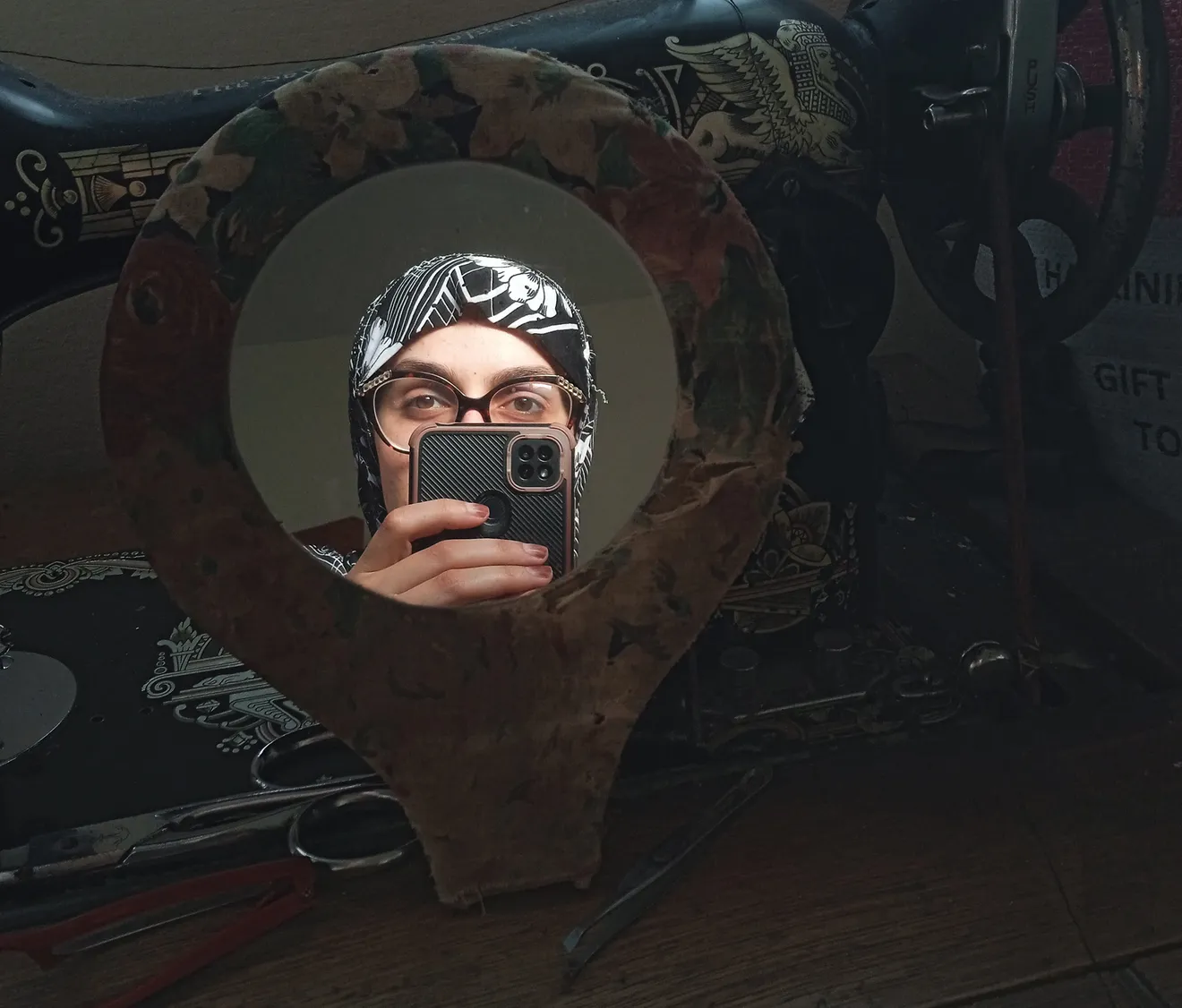
My name is Aya. I’m 26 years old, a filmmaker, a daughter, a sister, a friend – I was displaced for a year. But now I am home. I once led a poetic filmmaking course for young women through the “Beit Beyout” project. We dreamed of telling stories from Gaza that celebrated our culture and resilience. We made films about the meaning of home and family.
But when the war began, I put my camera down. I was afraid – not just of what I might film, but of what it would mean to watch it again. It was very dangerous to go filming, a lot of filmmakers and journalists were killed or kidnapped. I left my camera bag with all the lenses and equipment, trying to hide it in my treasury, that was when we had to evacuate! I really wasn't able to carry anything but the most important possessions, I was shocked that time how much I feel weak for not holding a heavy camera bag. I left everything behind and went away for more than 5 months, at that time the Israeli tank was exactly at our area, and we believe they entered our home, and bombed the lower parts of the house. After a while they withdrew, I wondered how everything could be fine! Besides that many other things was destroyed and taken. I can't go through this.. but on the other hand I kept documenting my moments as a normal, artist person.
Through Fairpicture and their client the Disasters Emergency Committee (DEC), I started documenting again – not for beauty, but for truth. For survival. For memory. For those of us still breathing.
For a while, I couldn’t create anything. I only recorded my feelings – grief, fear, confusion, happy, hopeful. Slowly, I began filming again.
Creator
Aya Matrabie
Location
Gaza, Palestine
Date
May 9, 2025
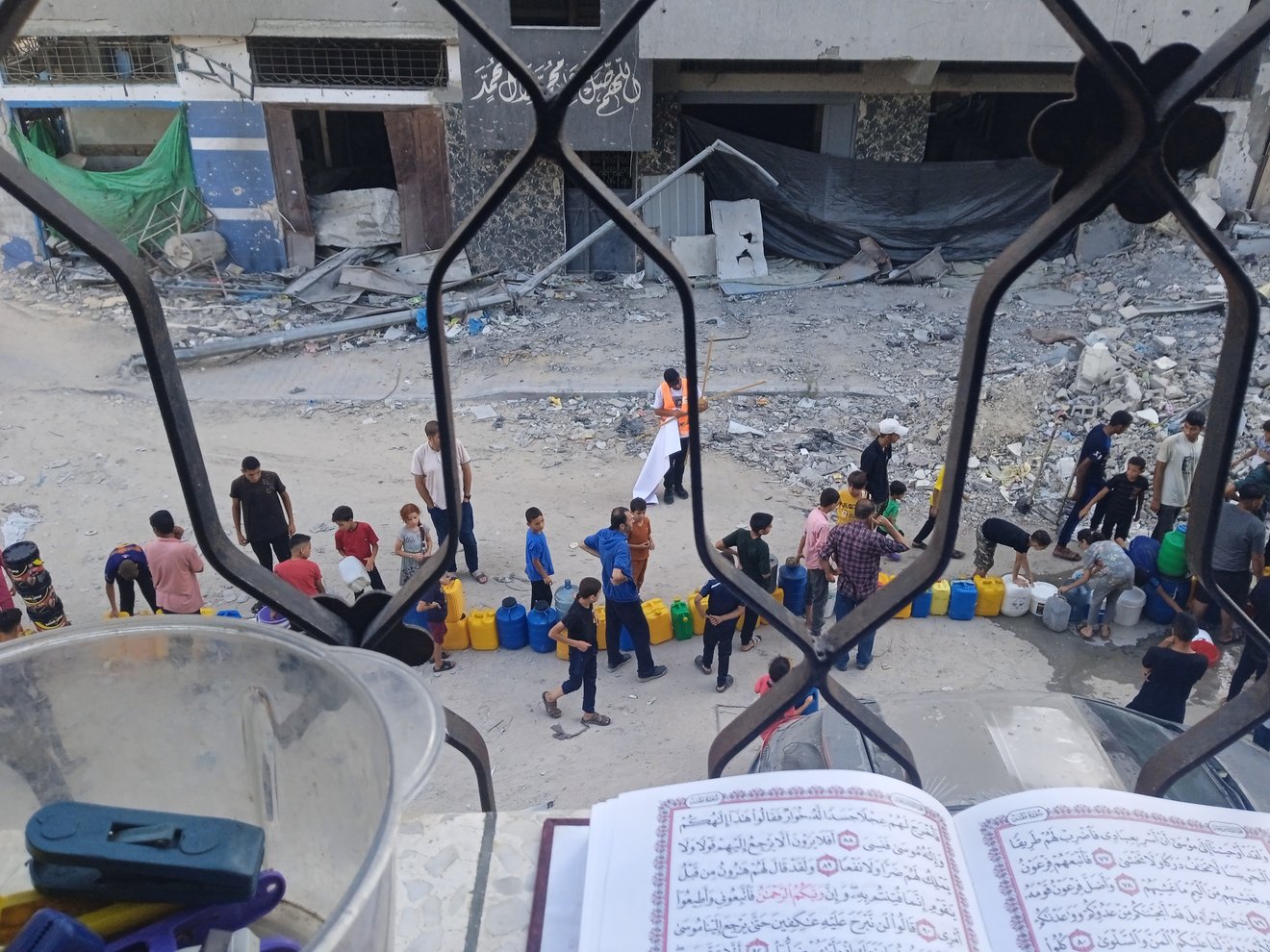
I document aid work in our area. Community kitchens, or tekias, still operate, trying to feed the people. They make one meal meant for three, and seven people share it. A baker down the street – Abu Rami – is a local hero. I see him from the window. If he spots an elderly woman in need, he does a little math and lets her pay just a few shekels, even though baking bread here now costs nearly $100 a month for a family. It’s these moments that make me believe my work matters. That there’s purpose in telling these stories, even if I’m telling them from the rubble.

Aya Matrabie, Visual Creator at Fairpicture
I’ve been displaced to my sister’s house for over a year now. We left our own home when the bombs started falling – our neighbourhood became dangerous and uninhabited. “Temporary,” we told ourselves, but that word has stretched far too long.
Water is scarce and salty. It tastes of metal and illness. People try to repair wells or drill new ones, attempting to raise water using different tools with solar energy. Without solar energy, we would not have been able to extract water from the ground. But using solar energy in specialised motors is almost impossible.
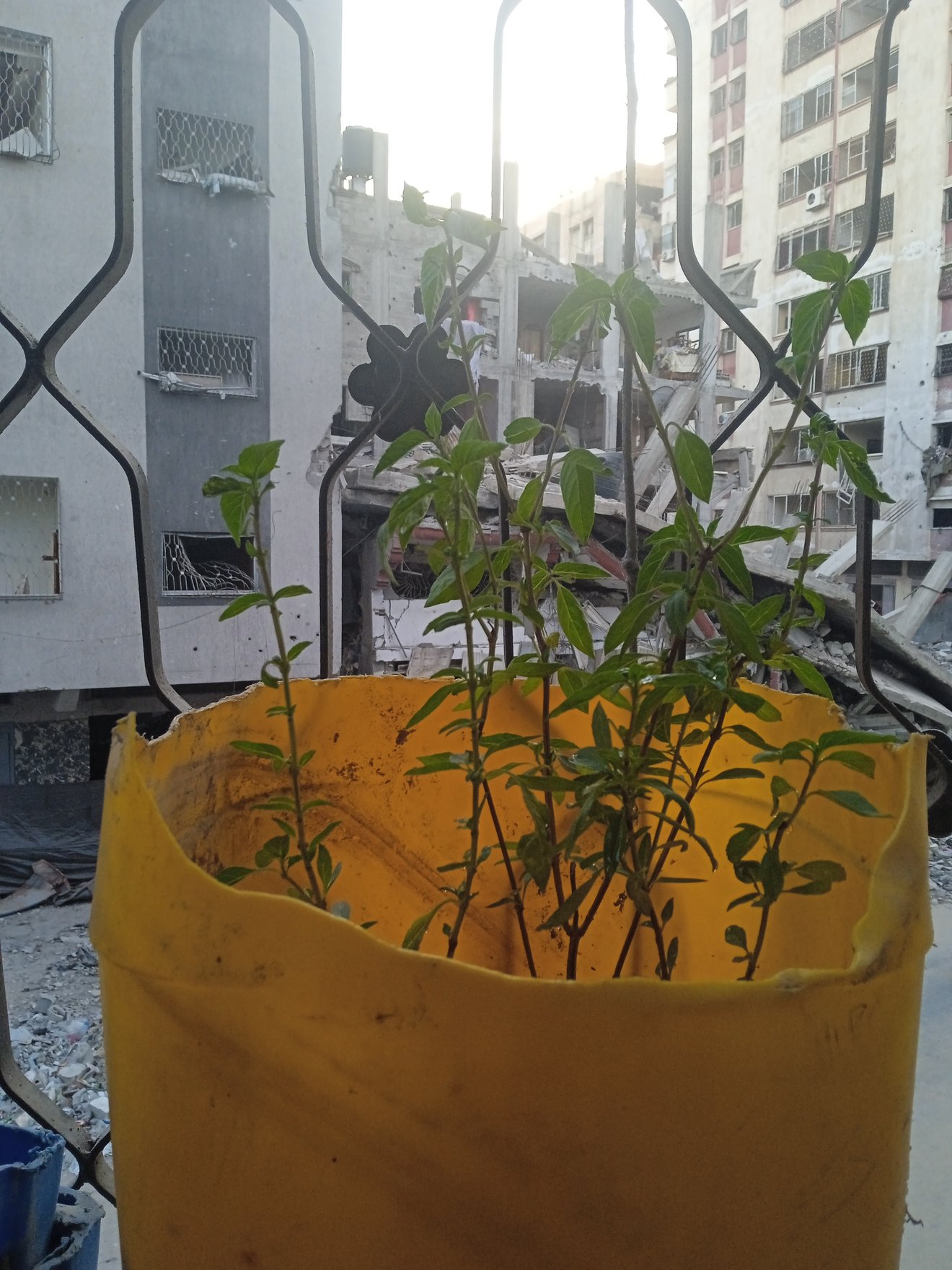
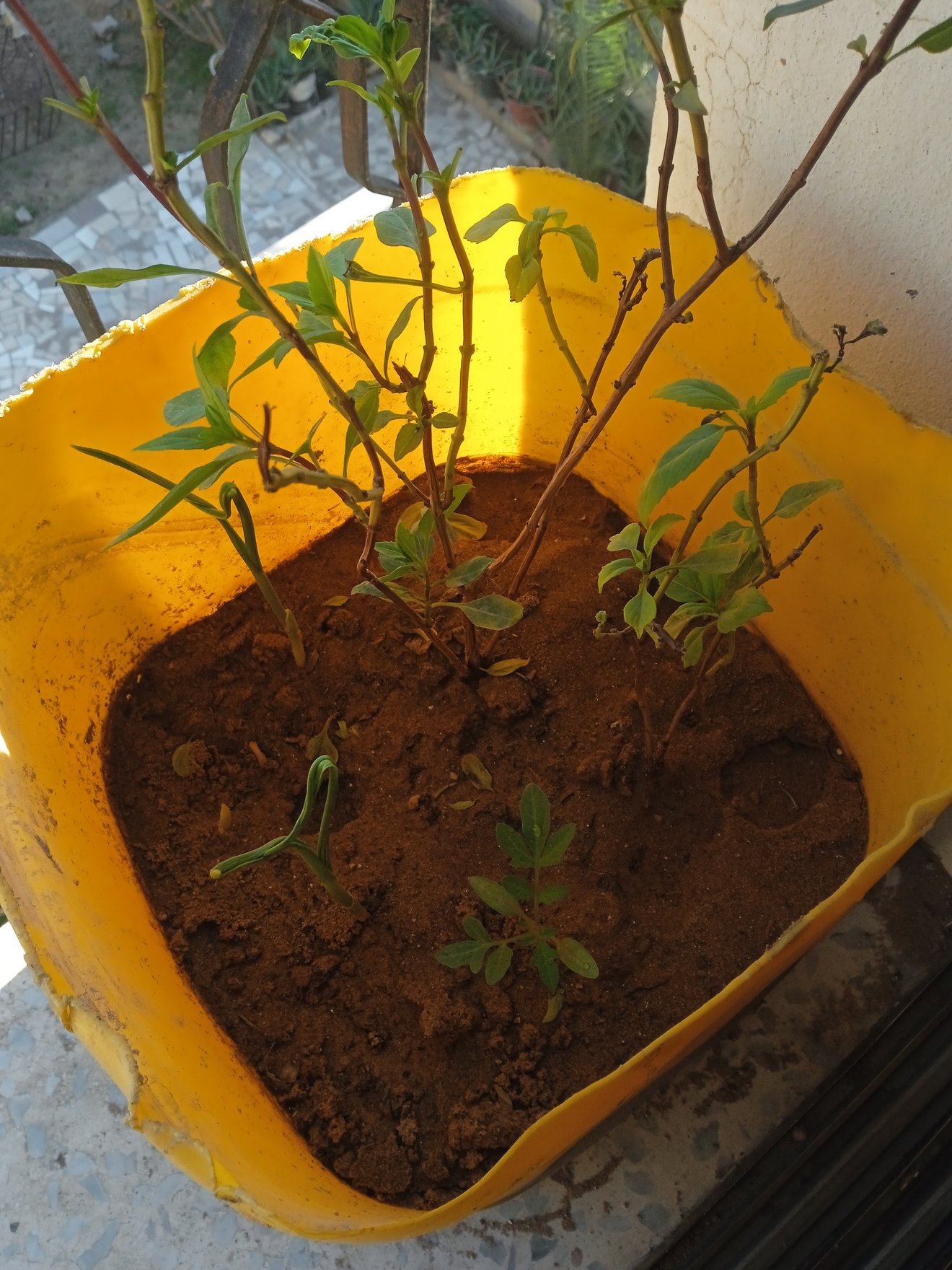
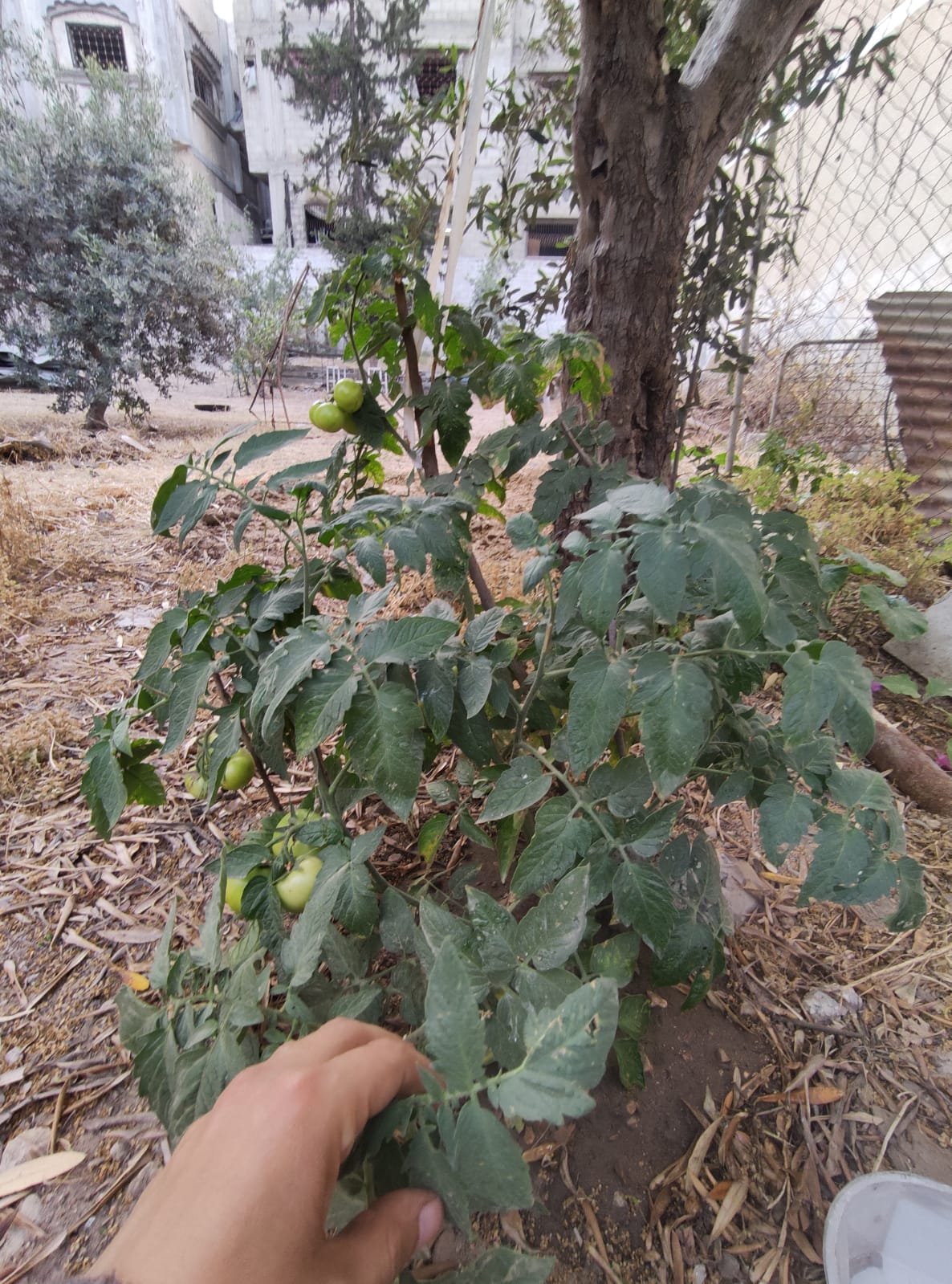
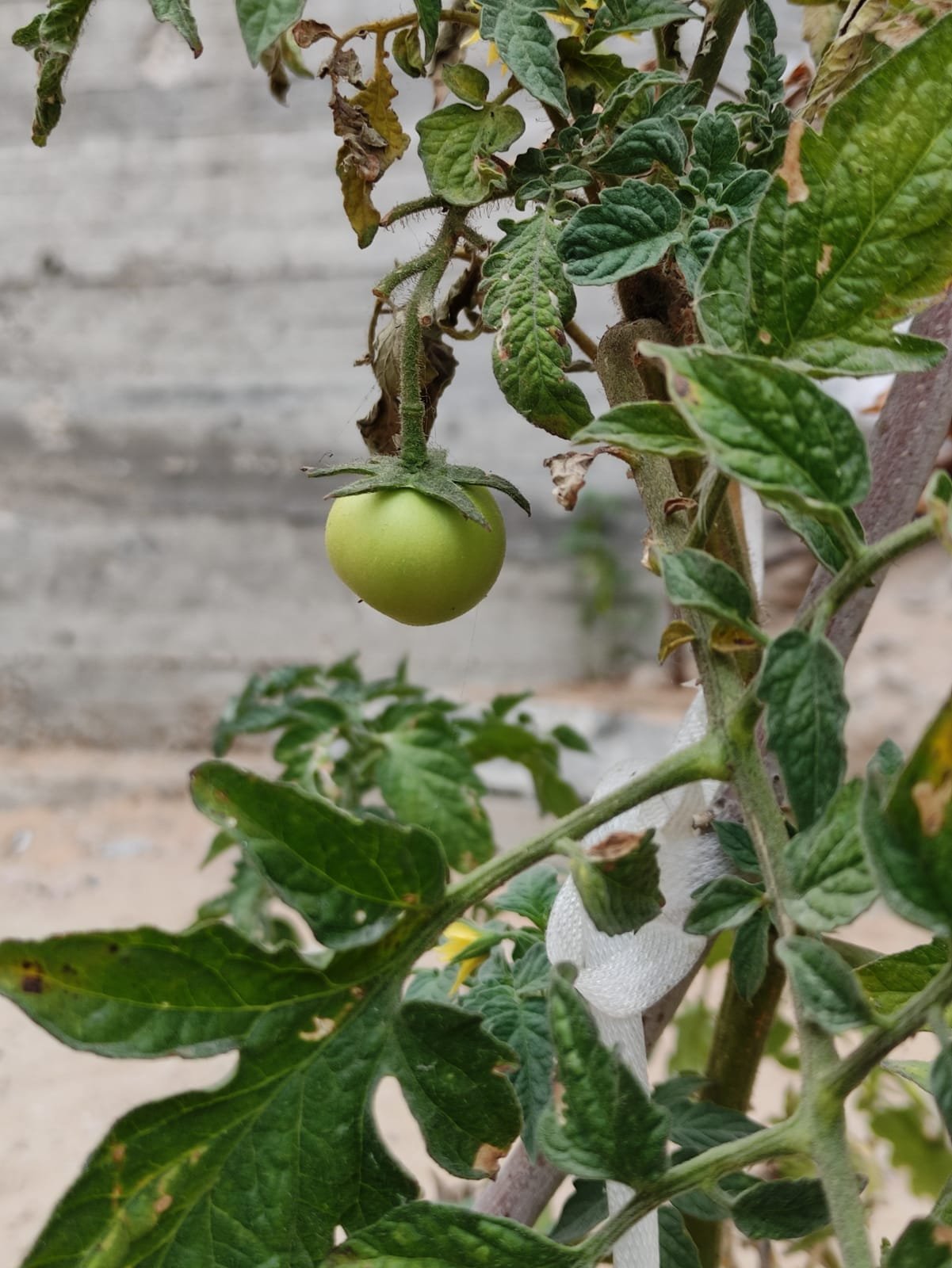
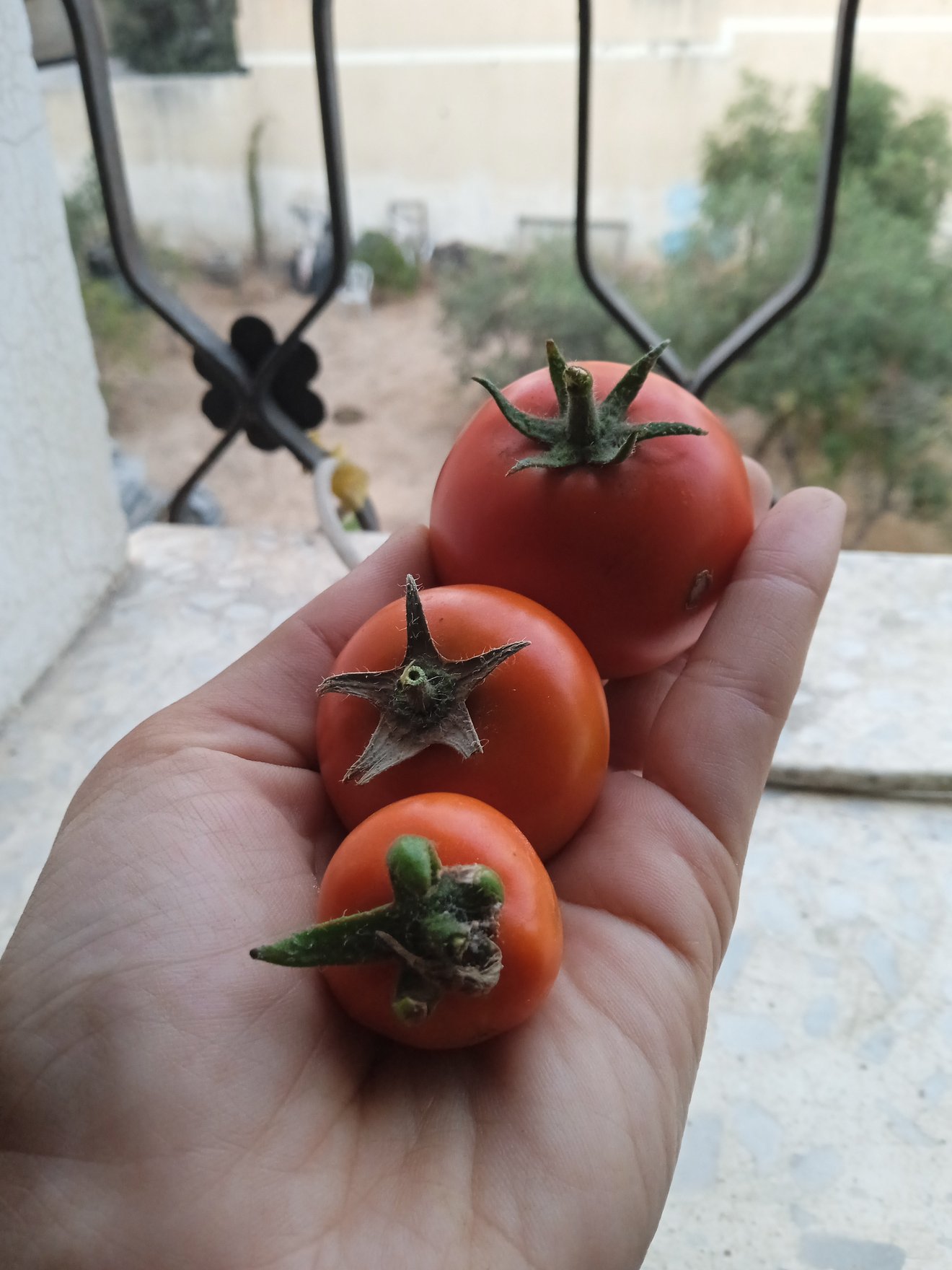
My mother’s health is worsening, not just because of the water but because fresh food is almost impossible to find. Or afford. A 25kg bag of white flour costs more than $350 (which is the monthly salary for most of Gazans). That’s barely enough for a large family. People now are struggling to find alternative from what exists, they boil the pasta, knead it to be a loaf of bread, also they grind lentil grains to make flour. It’s been a while since I’ve eaten an orange. I remember once, during a brief ceasefire, I found a single fresh tomato. I saved its seeds and planted them. Two months later, they’re beginning to grow. I check them every day. It’s a small hope – a red fruit in a grey world.
Photographer: Aya Matrabie
Location: Gaza, Palestine
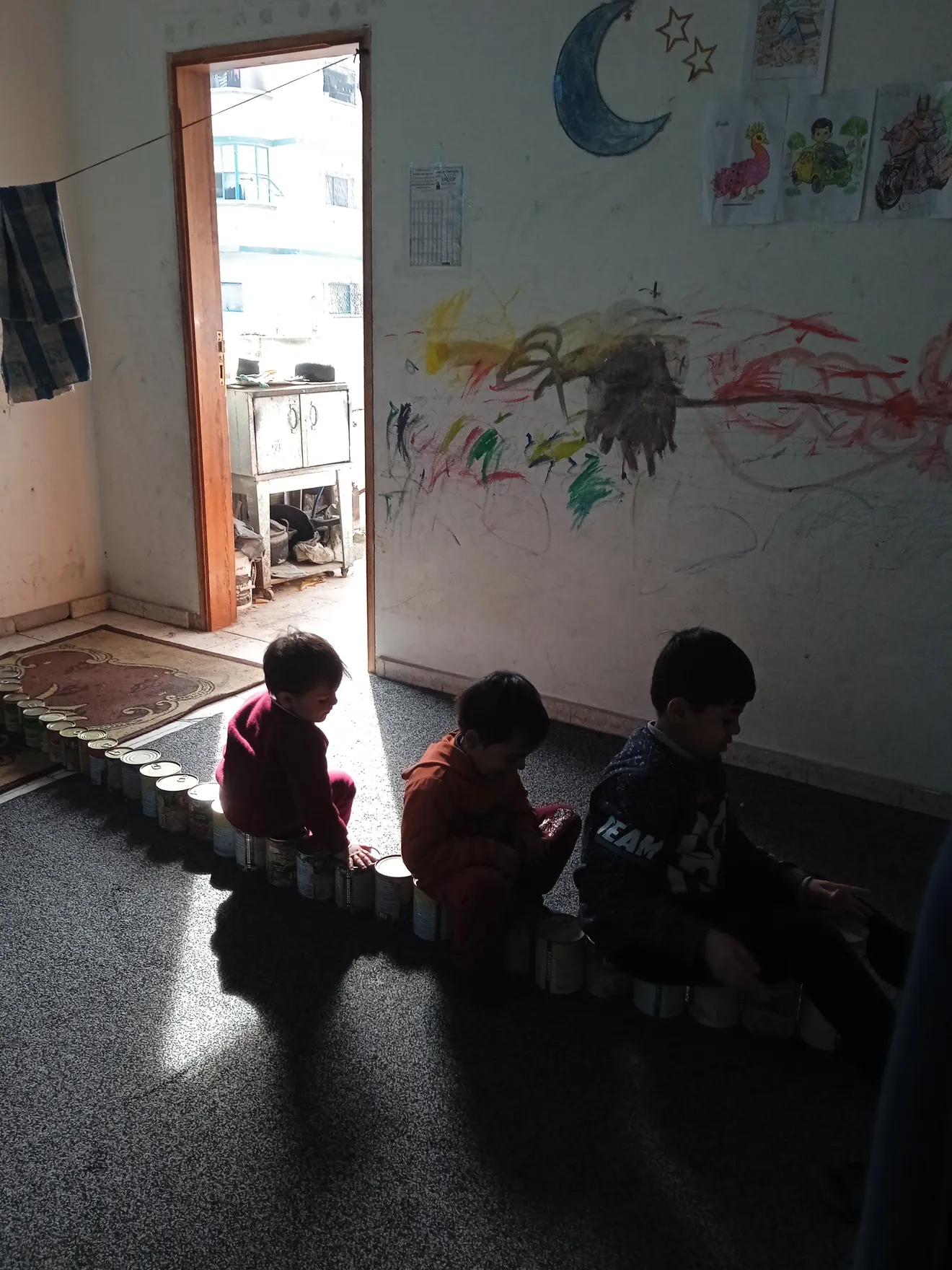
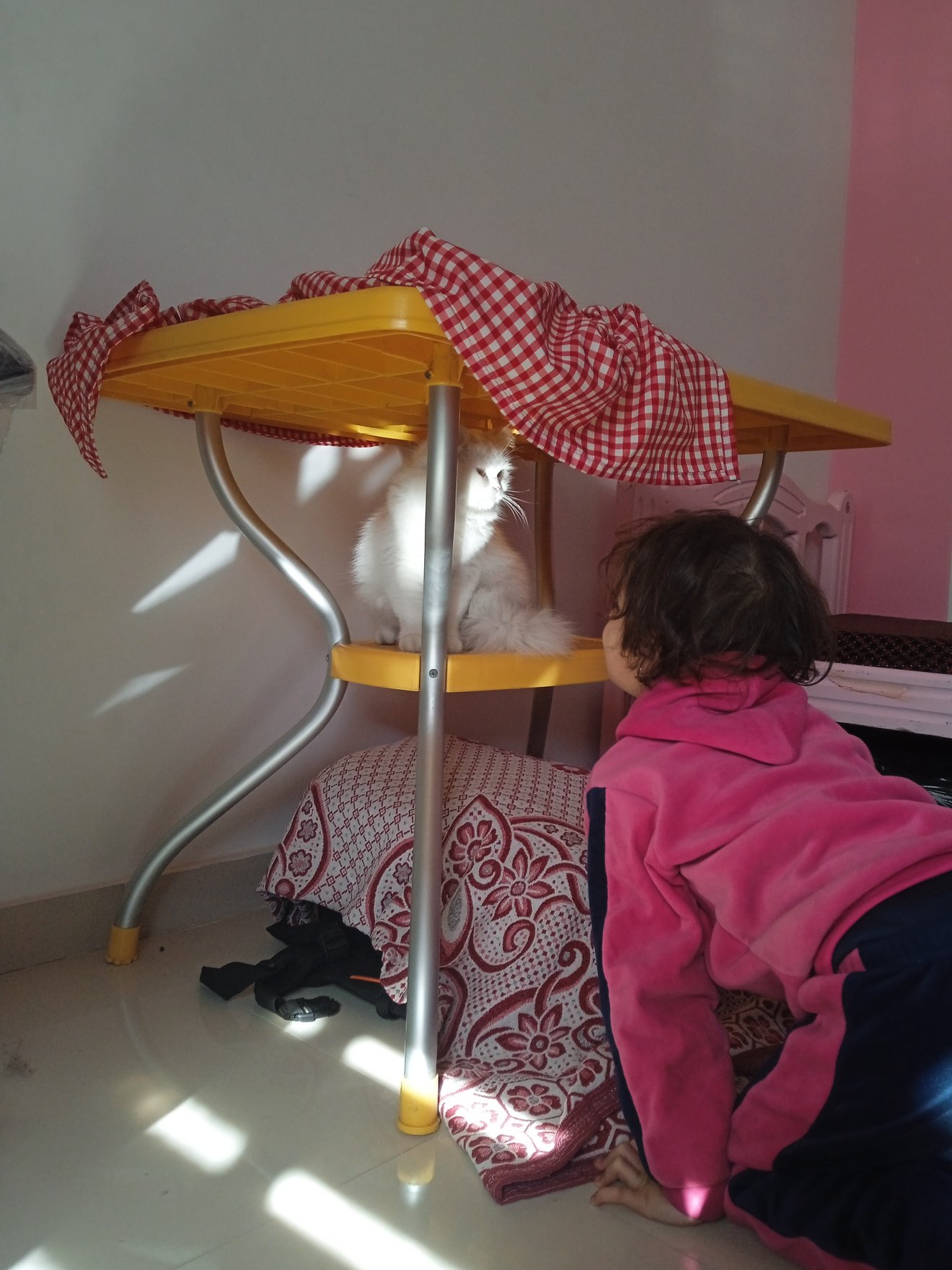
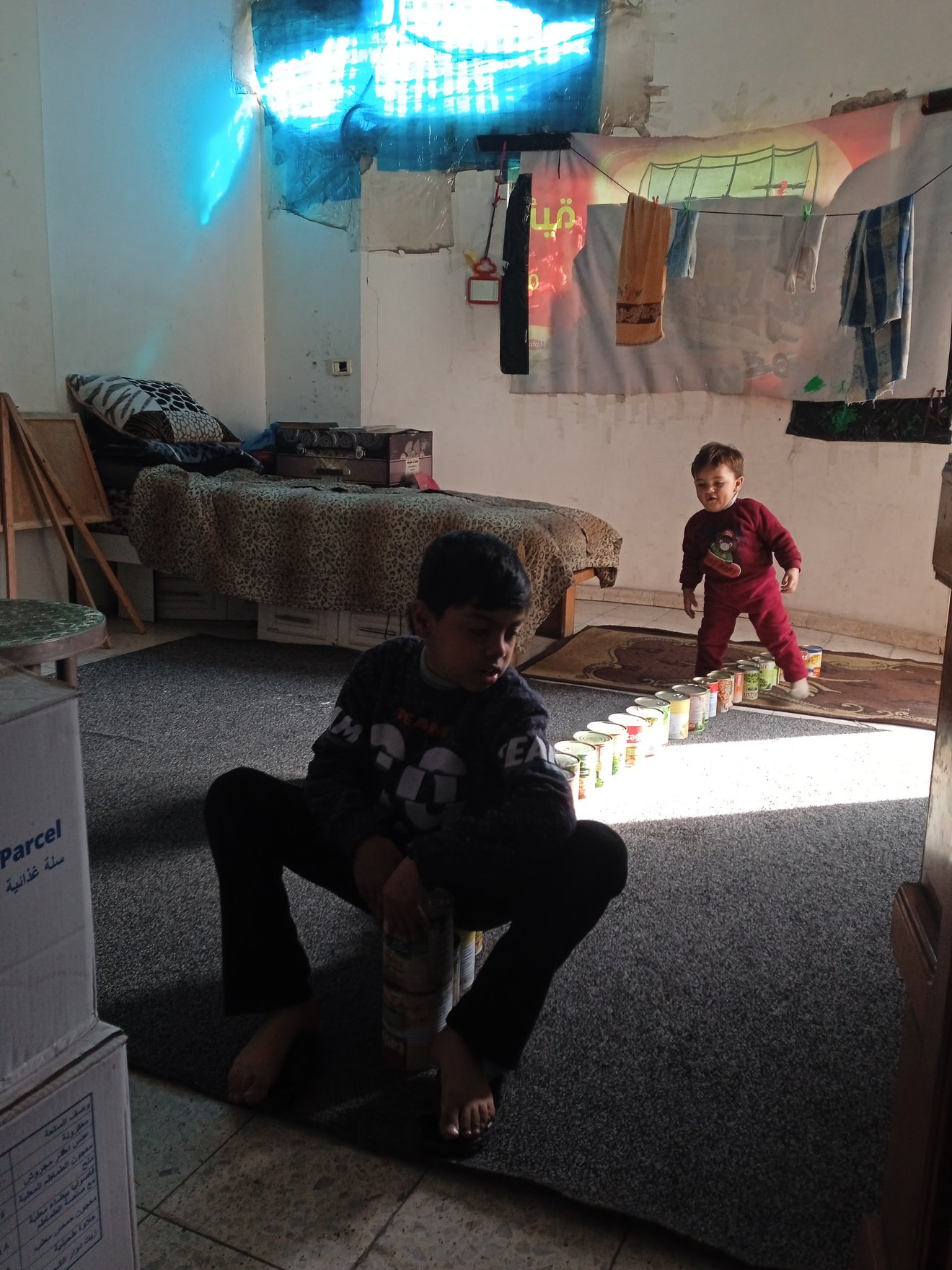
Children should be able to dream. Gaza’s children dream of war. My nephews built a little train from the cans of food we’ve collected. They dragged it around the room, beaming with joy. Another day, one of them pretended to be a dentist after breaking his tooth. We don't have enough clinics, we have to wait long hours to have our turn. There are no schools. Education now happens at home, in shelters, in tents, with whatever stories and supplies we can muster.
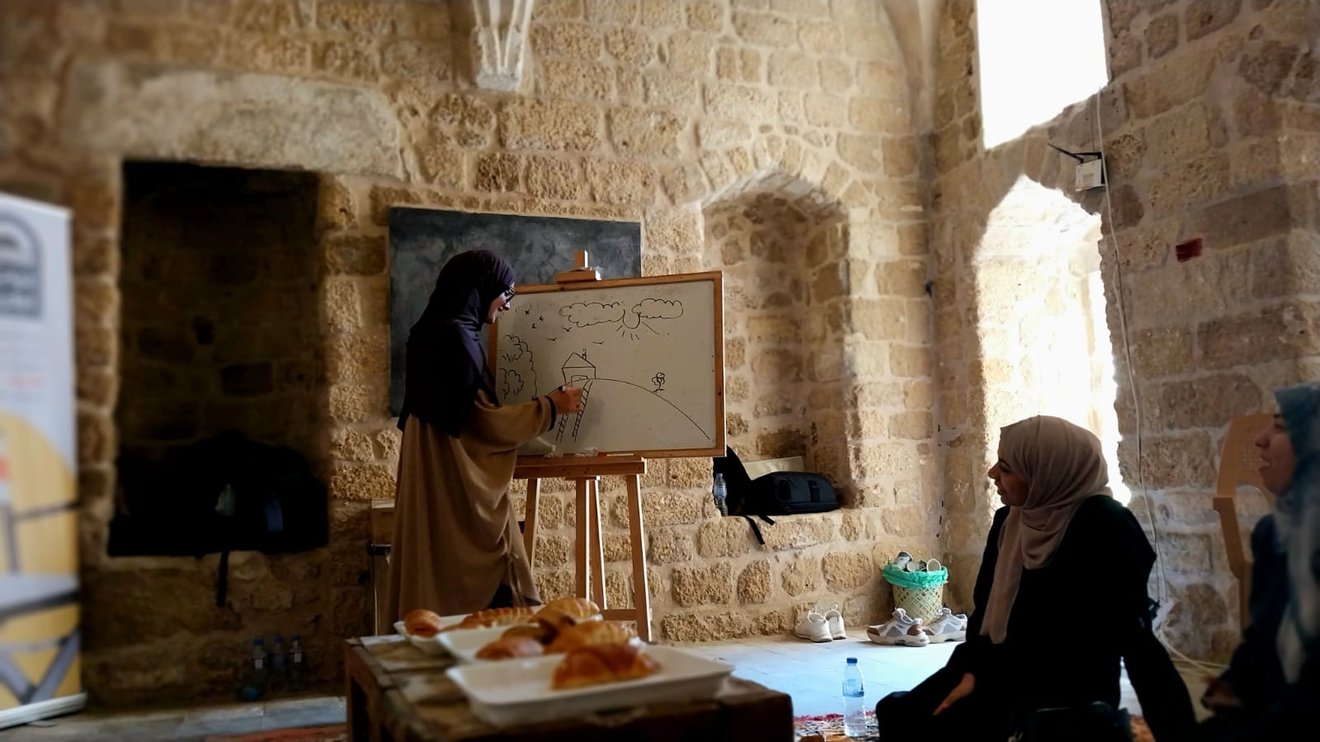
War has changed their games. It’s reshaping their dreams.
But even so, we laugh. We let them be naughty. They must be allowed to have a voice. They must believe in a future – even if we’re not sure what it looks like.
Even during war people live life. A week ago, our neighbour was looking for a venue for a wedding. My cousin offered our house. We had music, laughter, celebration – even though the groom’s own house was destroyed. He’s trying to start his married life in a tent.
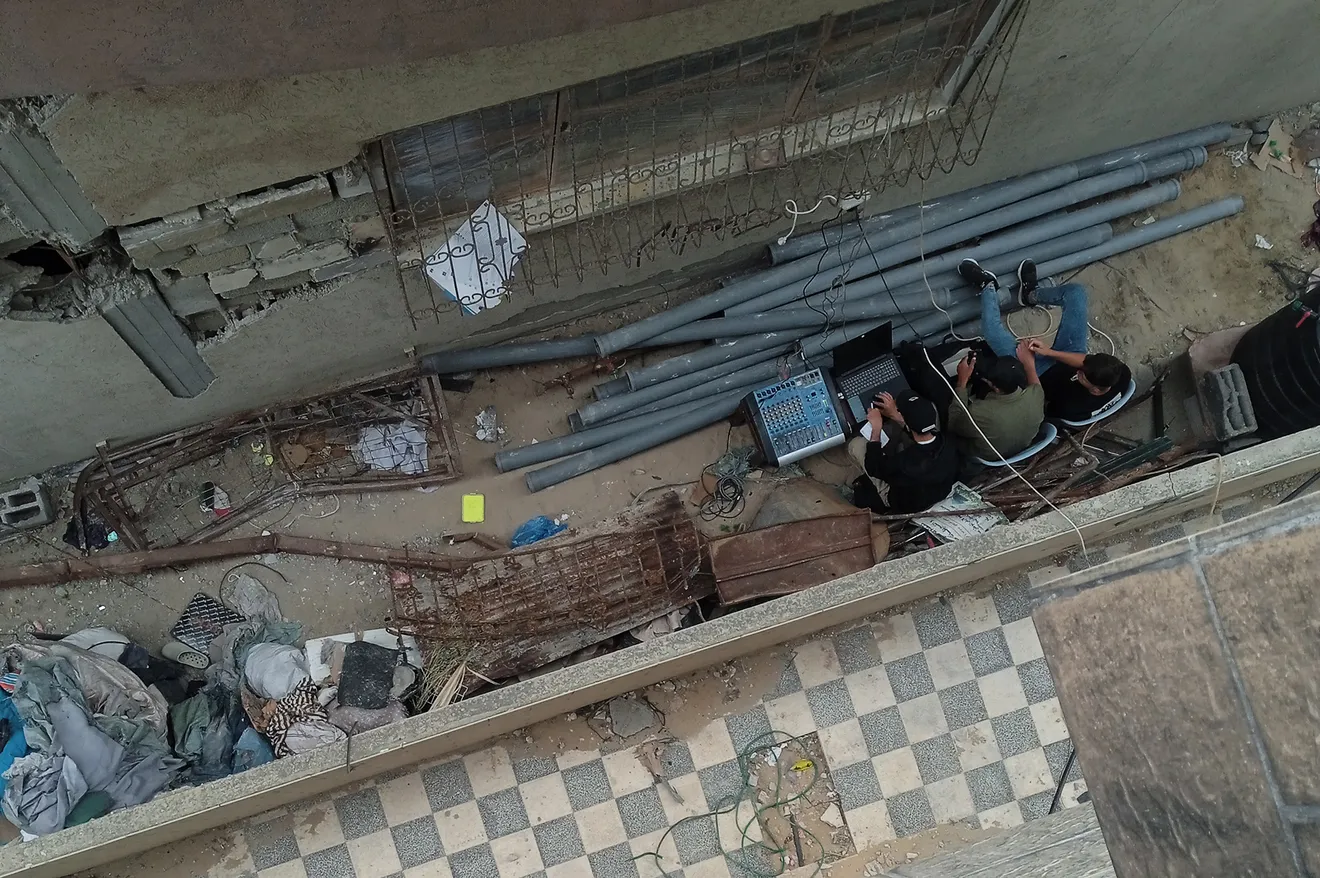
Photographer: Aya Matrabie
Location: Gaza, Palestine
Joy stitched into grief. Life growing through cracks in the cement.
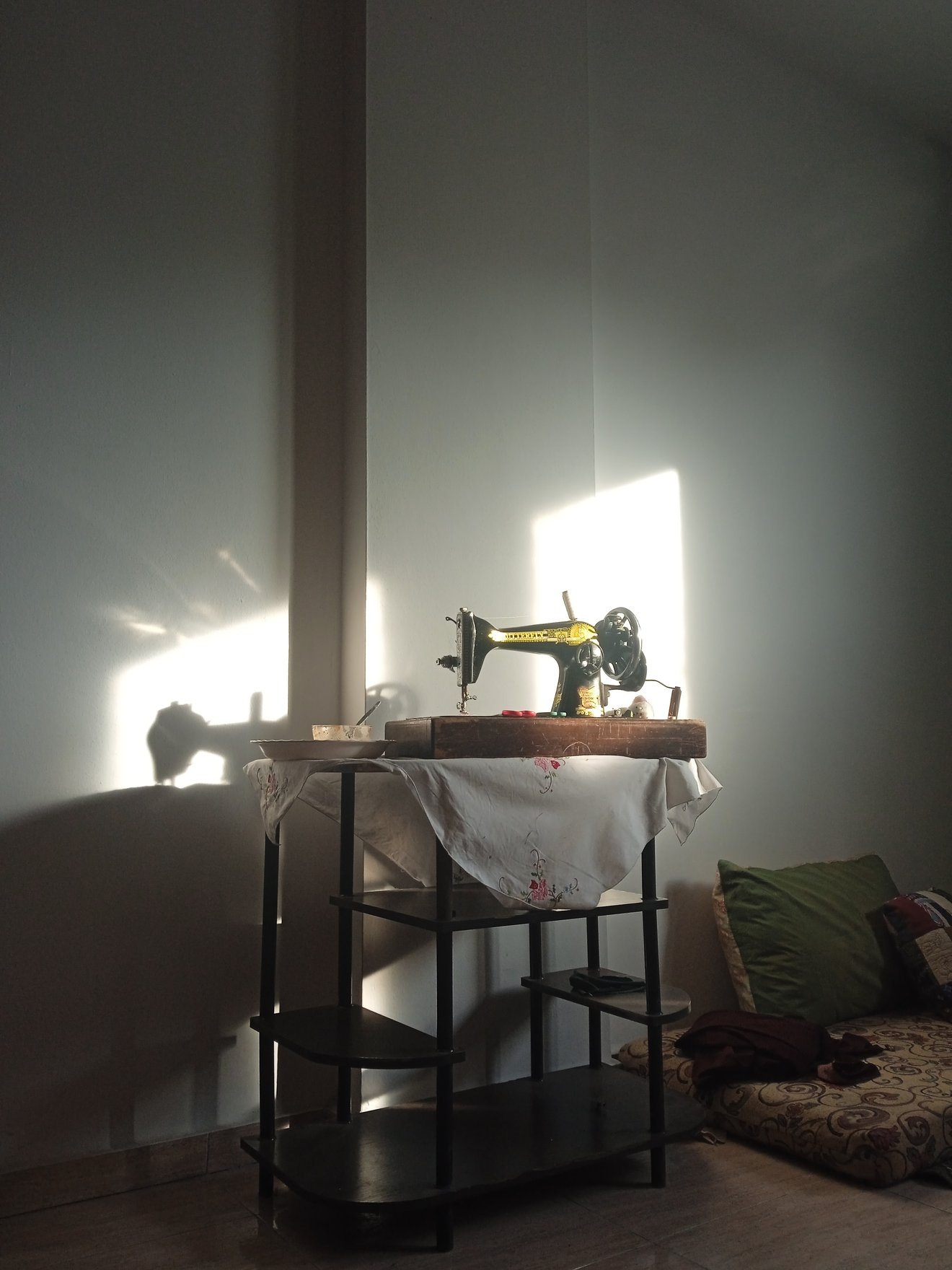
I’ve started sewing too. My mother taught me. Right now, I’m working on a patchwork quilt. It makes me happy. The pieces don’t match, but together they’re something warm. Something beautiful. I believe in beauty.
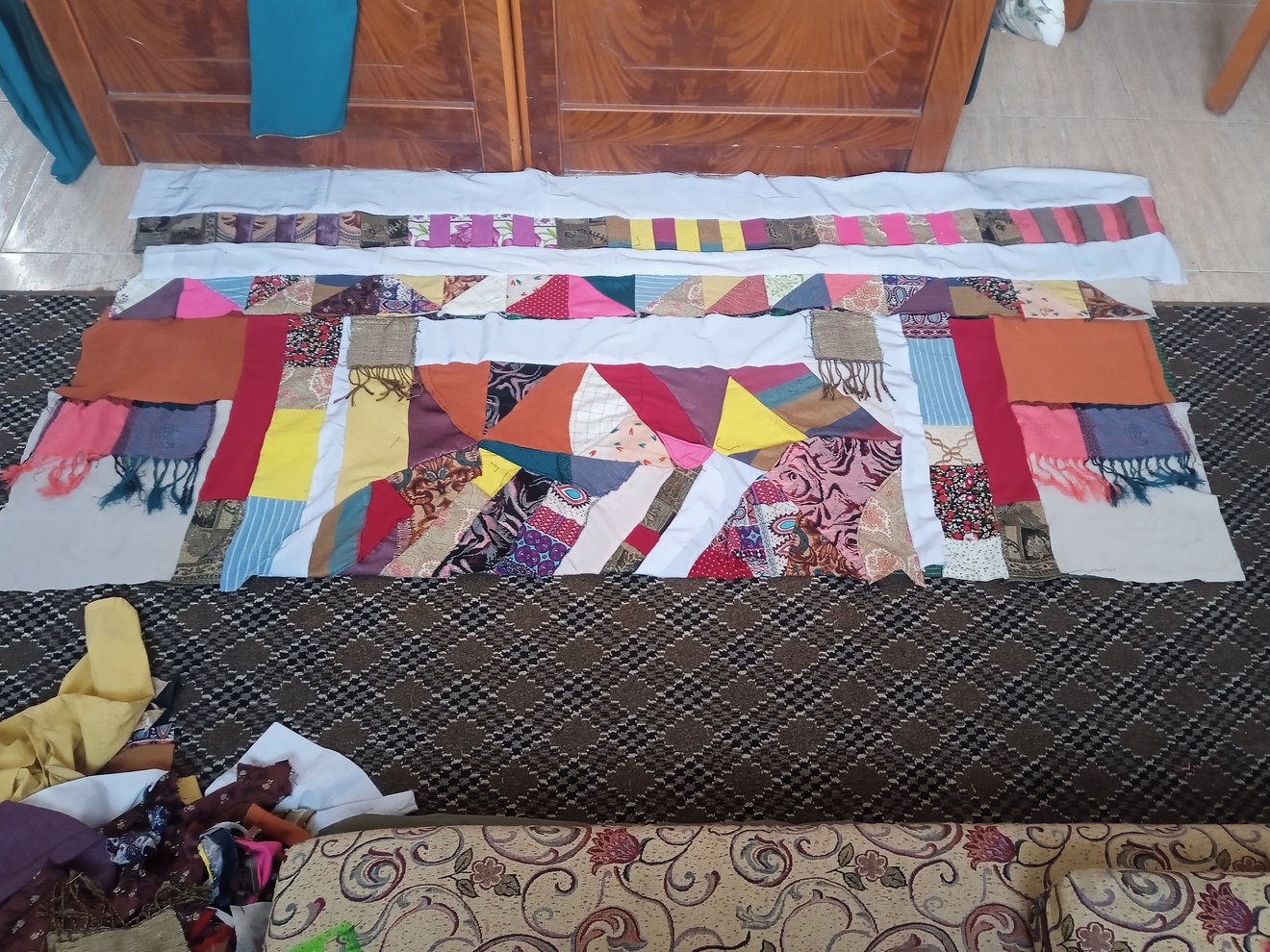
Life here isn’t just about food. It’s about soap. Medicine. Door hinges. I tried to fix part of our old house during a ceasefire, and I could barely find a hinge. Supplies are either gone or outrageously priced.
We cook with whatever we can burn – furniture, old clothes, even trees that have stood for 50 years. Some people burn their belongings just to make a fire. Others cut trees that gave them shade their whole lives. If I could, I’d give every woman in Gaza a new set of lungs. The smoke we’ve inhaled trying to feed our families over the past two years has scarred us inside.
Still, we continue.
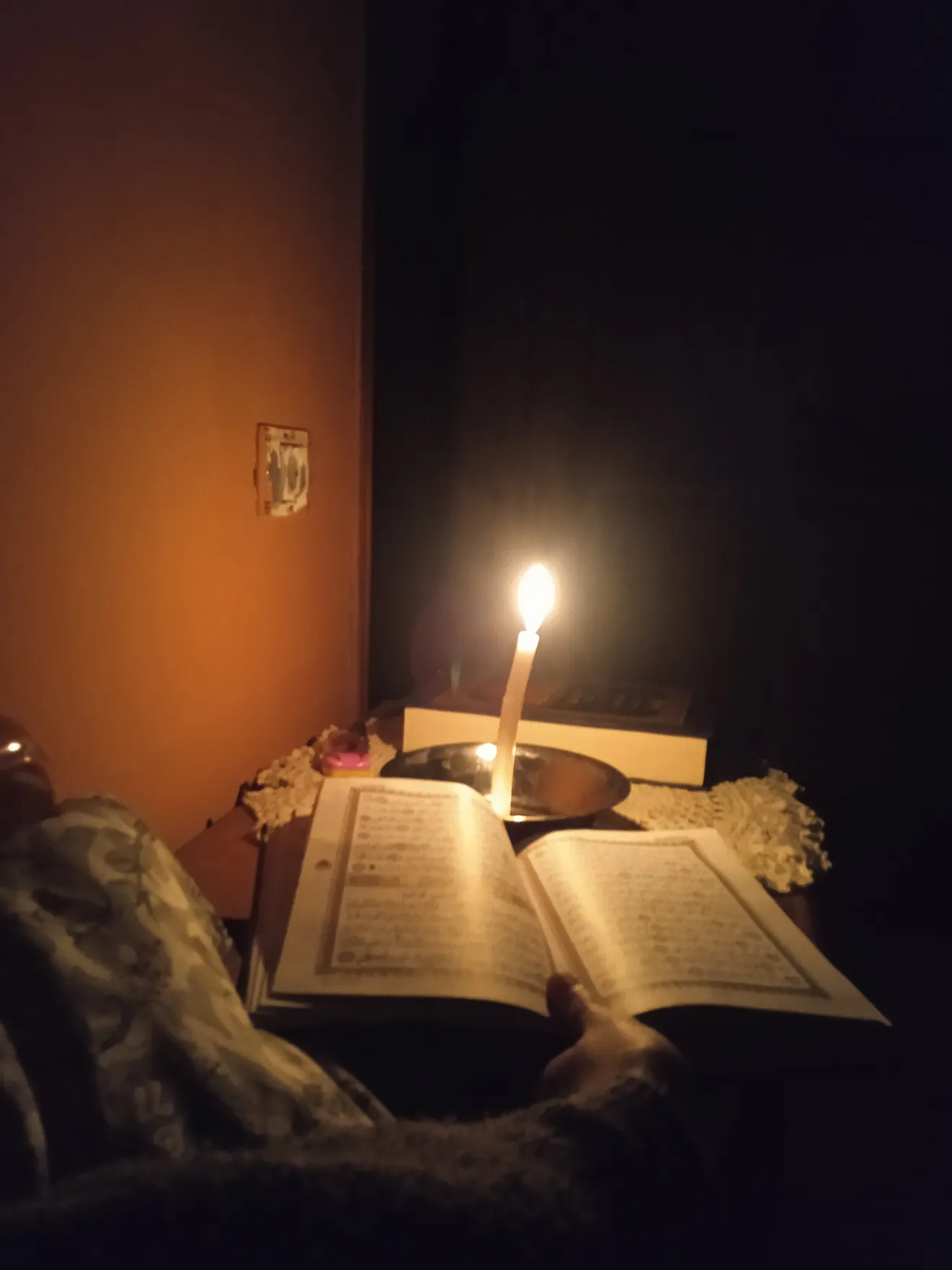
Photographer: Aya Matrabie
Location: Gaza, Palestine
There is no electricity. My sister managed to get a solar panel and some batteries, but the price was painfully high. Without sunlight, we can’t charge our phones or access the internet. And on cloudy days, the whole world goes dark. Still, we love the sun. We thank God for it.
Faith is what keeps us breathing. I believe this is a test. A test of patience. A test of kindness. We don’t know why we suffer, but we trust that it’s not meaningless. My faith tells me that if I survive this war, God will bless me with a better life. And if I don’t – then paradise awaits. Inshallah. Either way, I’ll be okay.
There are no safe places left. Schools have become shelters. Universities have been flattened. Yet people still pitch tents wherever they can. They rebuild their homes with plastic and prayer. Some decorate, even if the walls are made of nylon.
People are still having babies. Even when there’s no formula. No nappies. No guarantees. “Life must go on,” they say. And somehow, it does.
I’ve seen people cry and then sing in the same breath. I’ve watched a woman mourn her son and then hand her last piece of bread to a neighbour. These are the stories I try to capture. Stories of humanity under siege. Stories that refuse to be silenced.
Gaza is bleeding, yes. But it’s also living.
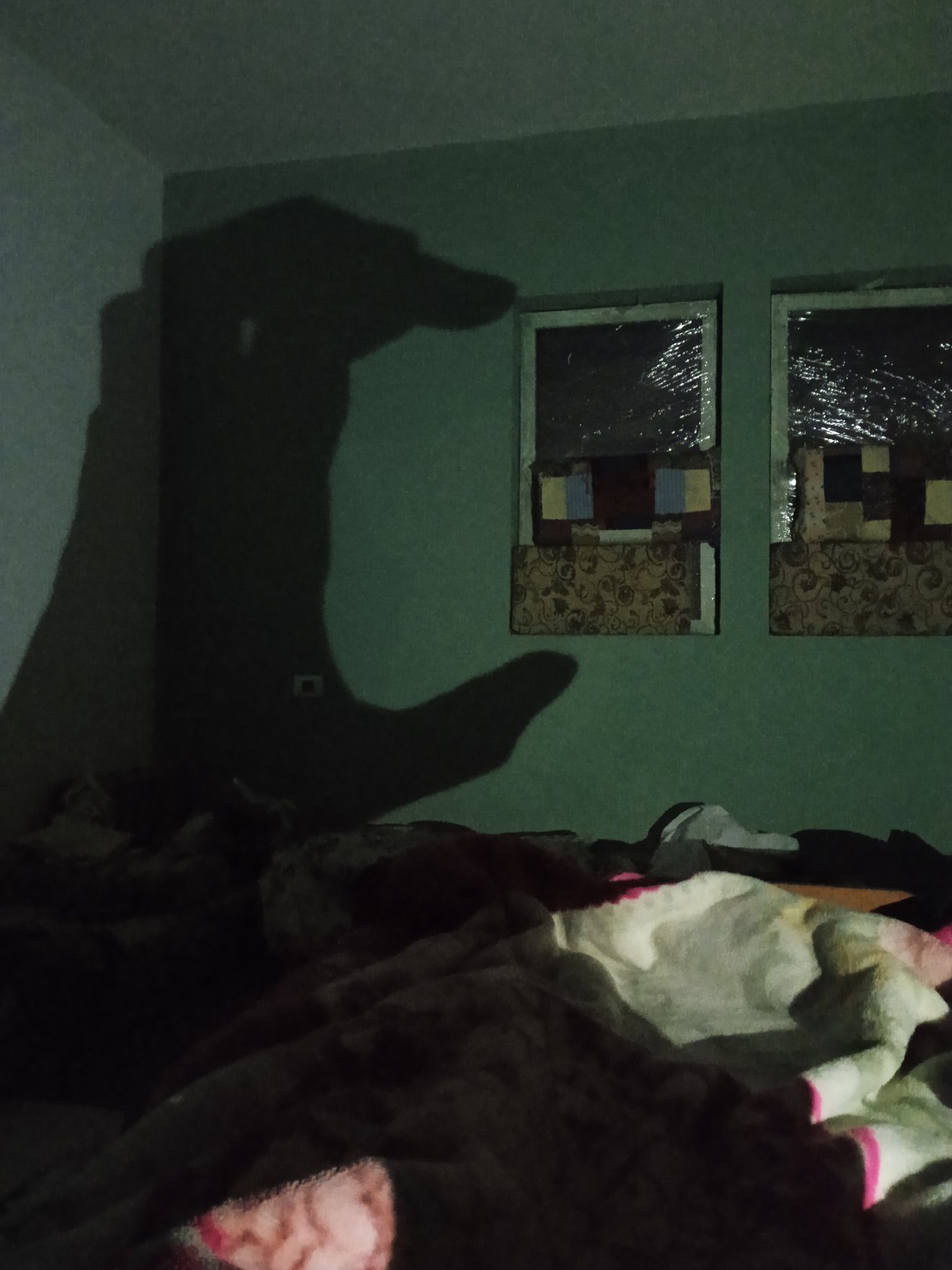
We smile. We laugh. We make things with our hands. We grow tomatoes from saved seeds. We build quilts from scraps. We make shadows of monsters on the walls with our phone lights and tell stories in the dark.
Because we are still here.
Because we love life.
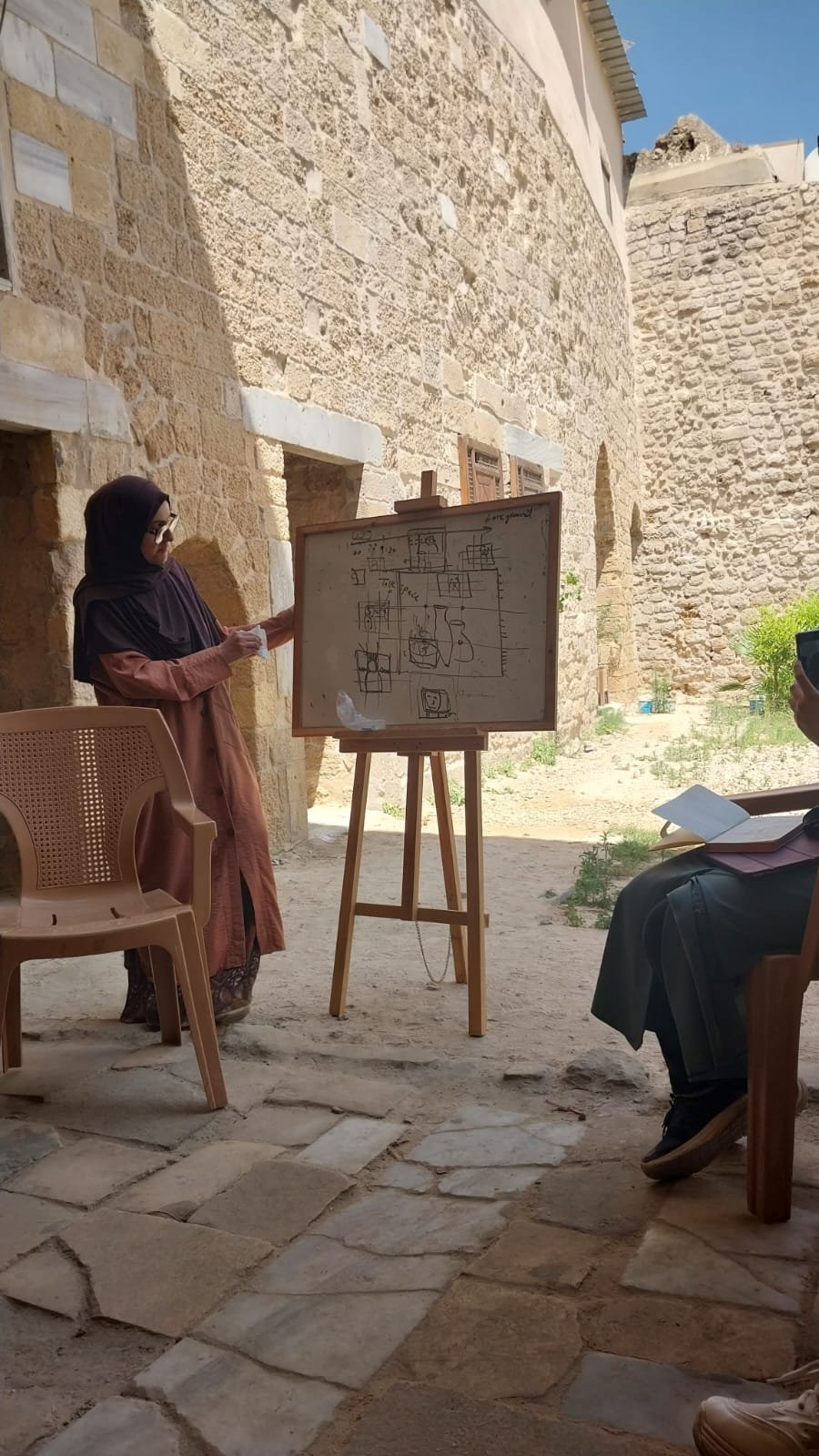
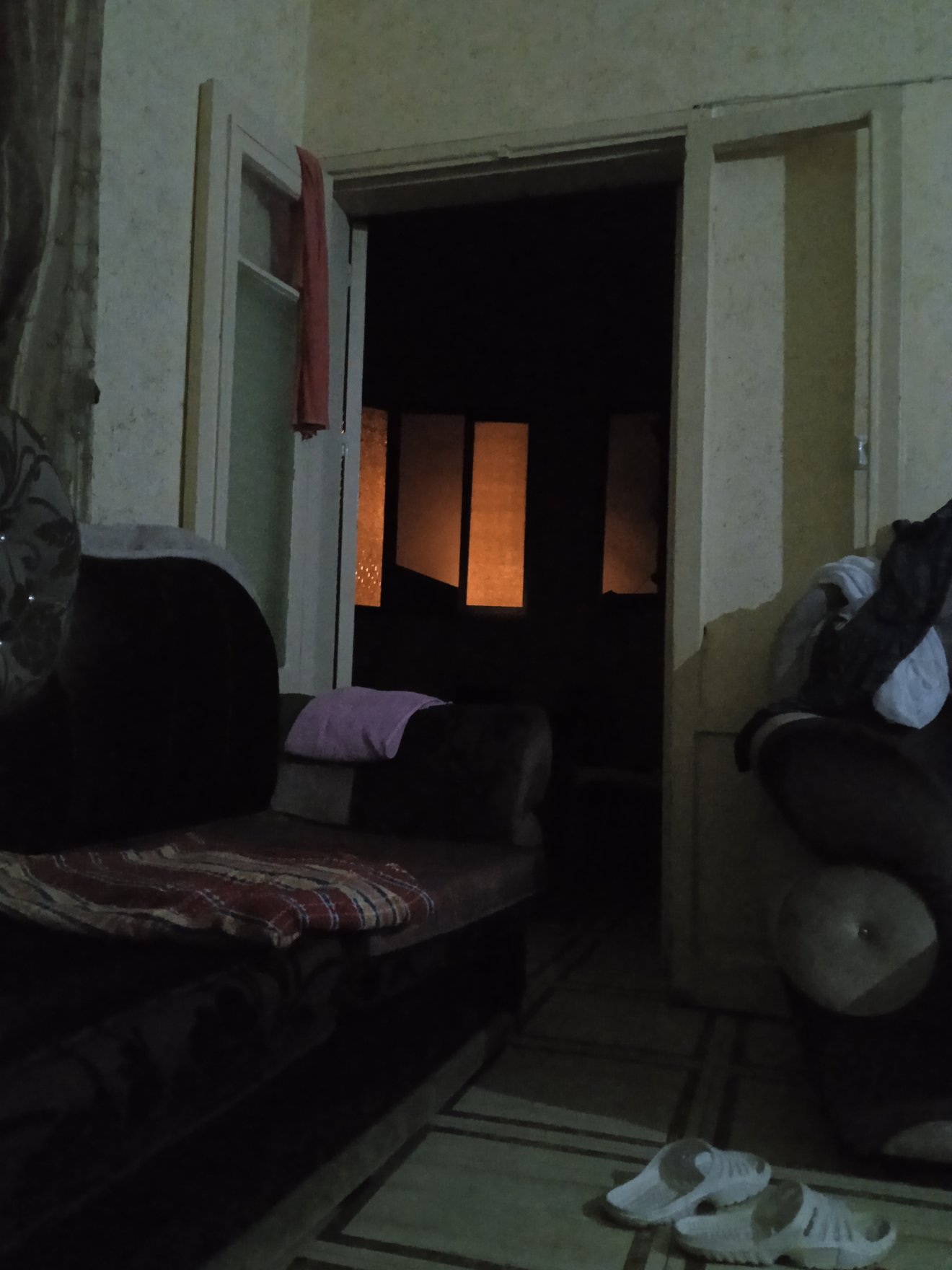
Aya's story is based on a conversation with Becky Mansell and Shagufta Yaqub, Disasters Emergency Committee (DEC) on 9 May 2025 via video call from Gaza and edited by N'Deane Helajzen (Fairpicture).
DEC charities and their local partners continue to work tirelessly to support people in unimaginably difficult conditions, as they have been doing throughout their Middle East Humanitarian Appeal
June 2026 - Beyond Fossil Fuels
Fairpicture's first European multinational production — four local creator teams across the UK, Spain, Germany, and Türkiye documenting the real cost of grid connection failures for people trying to join the energy transition.
Learn more about Waiting for connection: local stories on Europe’s grid challenges

October 2025 - IEC – International Electrotechnical Commission
Fairpicture travelled across three Kenyan counties to capture the community impact of the Global Impact Fund’s solar energy investments.
Learn more about Clean Energy, Real Impact
August 2025 - missio - International Catholic Mission Society
Behind products we use every day lie untold human stories. This project with missio captures life at the origin of the mica trade.
Learn more about Glimmer of Hope: Faces Behind Madagascar’s Mica Mines